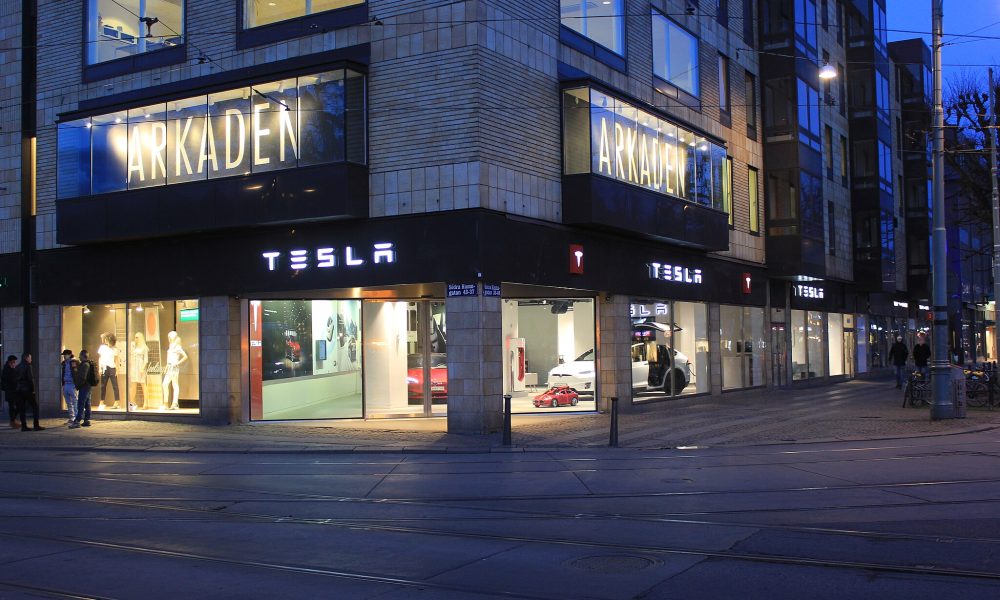
In a significant escalation of the ongoing labor conflict in Sweden, Tesla has secured a crucial logistical victory. Despite a nationwide blockade by the powerful IF Metall union, Tesla Sweden has successfully maintained its vehicle storage agreement with the Port of Trelleborg, a vital gateway for its vehicles entering the Scandinavian market. This development, first reported by Dagens Arbete (DA), reveals the electric vehicle giant's determined strategy to circumvent union pressure and keep its supply chain operational.
A Strategic Lifeline in Southern Sweden
The Port of Trelleborg is Sweden's primary port for ro-ro (roll-on/roll-off) traffic from Europe, making it an indispensable node for Tesla's distribution. The maintained agreement allows the company to continue using the port's facilities for storing newly arrived vehicles before they are dispatched to delivery centers. This move directly counters the union's blockade, which aimed to strangle Tesla's logistics by having dockworkers and other sympathizers refuse to handle the company's cargo. By retaining this foothold, Tesla ensures a continued, though potentially complicated, flow of Model Y and Model 3 vehicles to meet customer demand in the region.
Navigating the Blockade's Complex Web
IF Metall's dispute, centered on Tesla's refusal to sign a collective bargaining agreement, has sparked a remarkable show of solidarity across Swedish industries. Sympathy actions have disrupted everything from license plate installations to waste collection at Tesla service centers. The port blockade was a cornerstone of this strategy. Tesla's ability to keep the Trelleborg deal active suggests the company is leveraging every contractual and legal avenue available. It indicates a preparedness for a protracted conflict and a willingness to engage in a complex game of logistical chess to outmaneuver traditional labor structures.
This persistence comes at a cost. While the port access provides relief, the broader blockade continues to impose operational friction and significant reputational challenge in a country where collective agreements are a societal norm. Tesla's stance, championing individual employee contracts over collective bargaining, is being tested in one of the world's most union-dense labor markets. The company's success in Trelleborg may prompt unions to tighten other pressure points, leading to further escalation in a conflict with no clear end in sight.
For Tesla owners and investors, the implications are twofold. In the short term, maintaining a supply route mitigates the risk of severe delivery delays for Swedish customers, preserving revenue in a key European market. However, the ongoing conflict underscores a broader strategic risk as Tesla expands globally. It highlights the potential for costly operational disruptions when the company's non-union philosophy clashes with established local labor practices. Investors will watch closely to see if this Swedish model of resistance becomes a template for unions in other countries, potentially affecting Tesla's margins and operational stability beyond Scandinavia.