In the high-stakes world of automotive safety, where airbags deploy in milliseconds and crumple zones fold with precision, one of the most vital protective components is often overlooked: the windshield. For over a century, laminated glass has served as a silent guardian, a fact thrown into sharp relief by recent NHTSA data crediting the technology with saving nearly 10,000 lives in the U.S. alone. As Tesla continues to pioneer with expansive glass roofs and futuristic designs like the Cybertruck's armored glass, the fundamental principles of this century-old invention remain more relevant than ever to occupant protection.
The Unsung Hero of Vehicle Occupant Protection
Invented in 1903 by French chemist Édouard Bénédictus, laminated glass is a deceptively simple sandwich: two layers of glass bonded by a middle layer of polyvinyl butyral (PVB). This design prevents the glass from shattering into deadly, jagged shards upon impact. Instead, it cracks in a spider-web pattern and largely holds together, maintaining the structural integrity of the passenger compartment. This is critical not just for preventing ejection—a major cause of fatalities—but also for ensuring that airbags deploy correctly, as they often use the windshield as a backstop. For Tesla, whose cabins are designed as safety cells, the windshield and panoramic roof are integral structural elements, not just windows.
From Windshields to Panoramic Roofs: Tesla's Glass-Centric Evolution
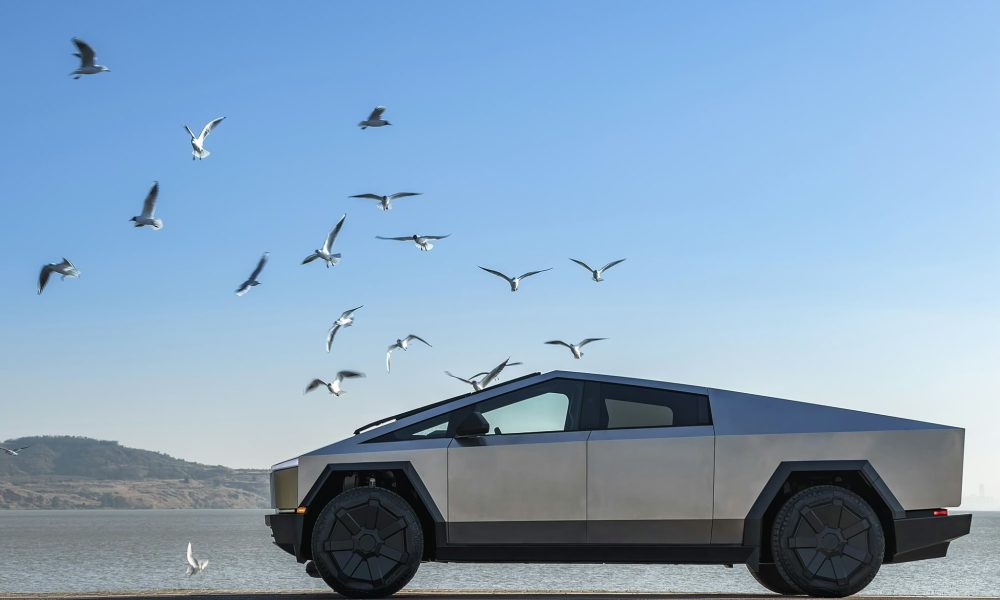
Tesla's architectural philosophy has increasingly embraced glass, transforming the roof from a mere metal panel into an expansive, laminated glass canopy that provides both openness and safety. This presents unique engineering challenges. A large glass roof must meet the same rigorous rollover strength and intrusion resistance standards as a traditional steel roof, all while managing solar heat gain and ensuring acoustic comfort. Tesla's use of laminated glass for these components means that in the event of a rollover, the roof is designed to remain largely intact, protecting occupant headspace. The much-discussed Cybertruck takes this a step further, with Tesla claiming its "armor glass" is a proprietary laminate designed for both blunt impact and ballistic resistance, pushing the century-old technology into new territory.
The implications for Tesla owners and investors are twofold. For owners, the pervasive use of advanced laminated glass is a significant, though often invisible, safety benefit that complements the vehicle's 5-star crash ratings. It reinforces that the brand's commitment to innovation extends deeply into foundational safety technology. For investors, it highlights a critical, less-heralded aspect of Tesla's vertical integration and manufacturing focus. Developing and sourcing specialized glass at scale for complex vehicle architectures represents a substantial engineering moat and a cost factor. As Tesla continues to refine its glass technology for durability, solar management, and even functional integration (like antenna elements), it turns a basic safety component into a complex, value-added differentiator that supports both its safety narrative and its futuristic aesthetic.