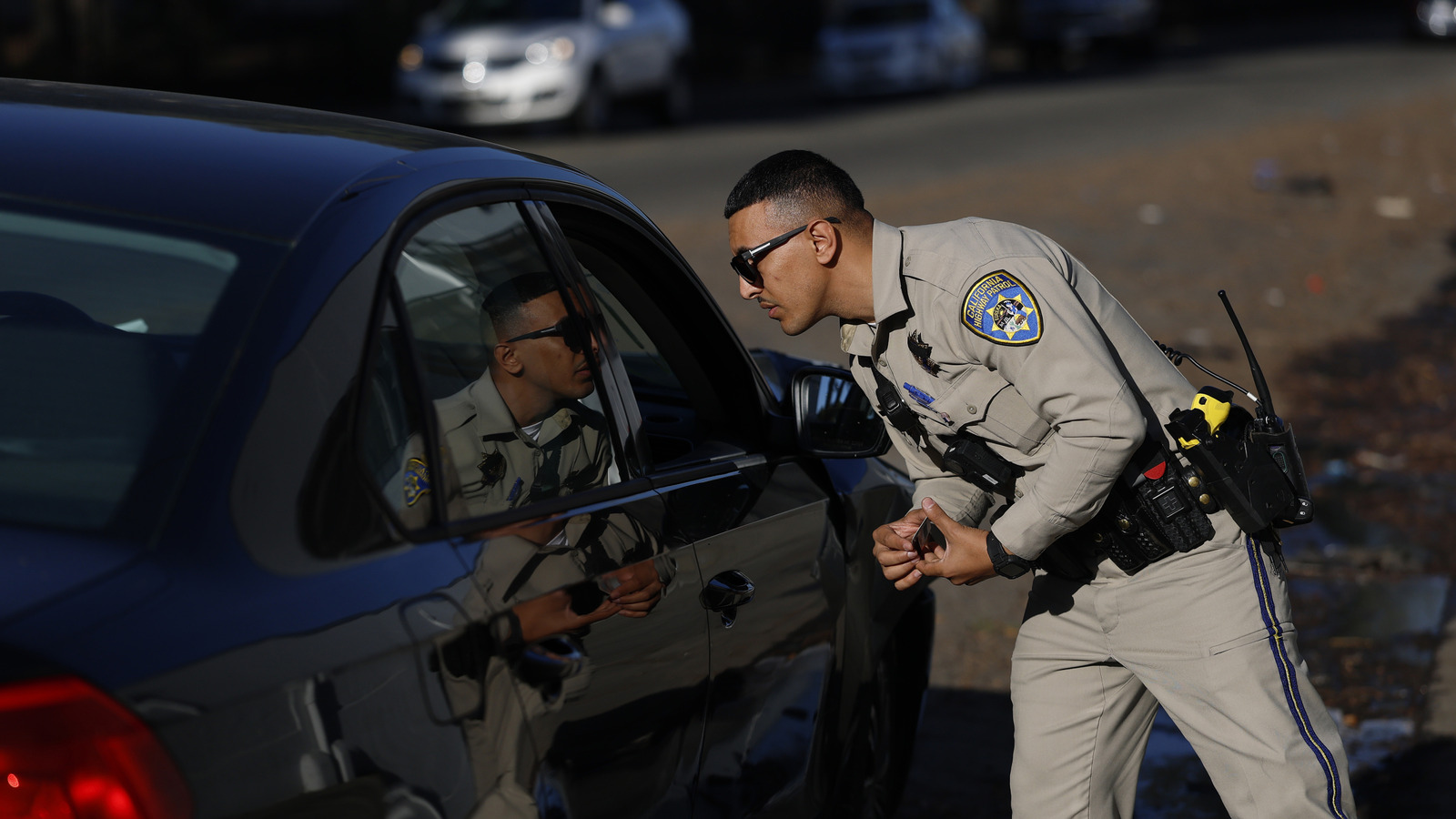
For California drivers, the initial sting of a $100 traffic ticket is often just the beginning of a far more expensive ordeal. What appears on the surface as a straightforward fine can quickly balloon into a financial sinkhole, with total costs approaching $500 or more due to a labyrinth of mandatory state and county fees. This punitive fee structure, layered atop the base fine, creates a significant burden for all motorists but introduces unique considerations for the state's large and growing population of Tesla and EV owners, who often face heightened scrutiny on the road.
The Hidden Surcharges: Where Your Fine Really Goes
The base bail amount listed on a citation is merely the starting point. California law tacks on a series of mandatory penalties and surcharges that can multiply the original fine by roughly three to five times. These include state penalties, court construction fees, emergency medical services funds, and county-specific assessments. A $100 ticket for rolling through a stop sign or a minor speeding violation isn't a $100 debt to the court; it's a $100 base that triggers hundreds more in non-negotiable add-ons. This system, designed to fund everything from court operations to trauma centers, turns every citation into a major revenue generator for the state.
EV Owners in the Crosshairs: Performance and Perception
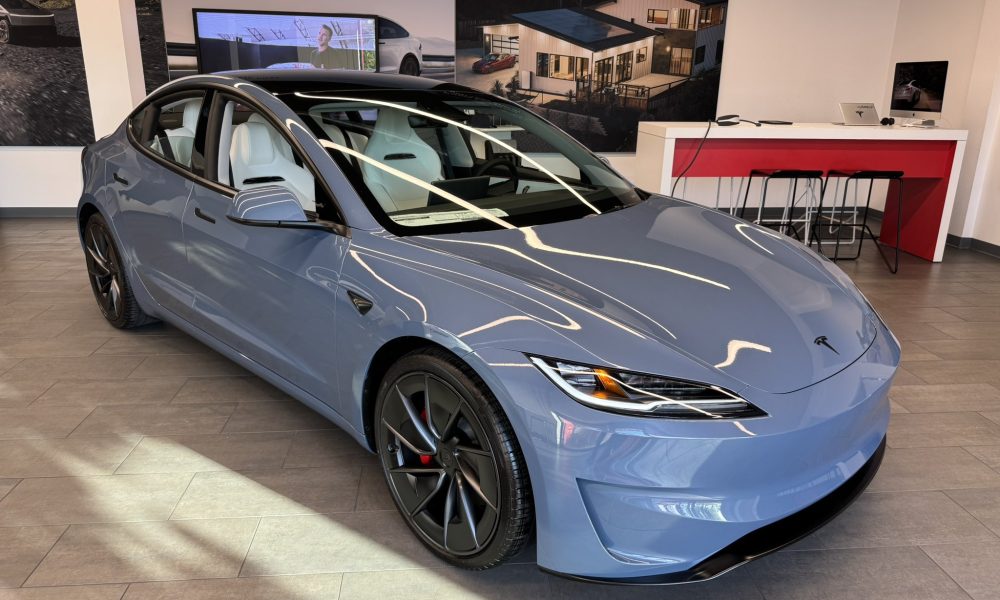
Owners of high-performance electric vehicles like the Tesla Model S Plaid or Model 3 Performance must be particularly vigilant. The instant, silent torque that makes these cars exhilarating also makes it easy to accidentally exceed speed limits. Furthermore, the perception of Tesla drivers—often stereotyped as affluent tech enthusiasts—can sometimes influence enforcement, though this is anecdotal. The real financial risk is universal: the state's fee schedule doesn't discriminate between a 1998 Corolla and a 2024 Model Y. A lead-foot moment in your EV incurs the same brutal fee multipliers as any other car.
Beyond the immediate financial penalty, a moving violation carries longer-term costs. Points on your driving record lead to increased insurance premiums for years, a hit that can be especially sharp for drivers already in higher-risk categories or those insuring premium vehicles. For the tech-savvy Tesla owner, there's an added layer of irony: the very Autopilot and Full Self-Driving features designed to enhance safety and reduce driver fatigue require constant supervision to prevent violations that the system itself cannot yet reliably avoid, placing the legal and financial onus squarely on the human behind the wheel.
For Tesla investors and owners, this regulatory reality underscores more than just the cost of breaking the law. It highlights a broader operational environment where state fiscal policies can indirectly impact consumer sentiment and ownership costs. As Tesla continues to push the boundaries of EV performance and driver-assistance technology, the disconnect between advanced vehicle capabilities and punitive, analog-era penalty structures becomes more pronounced. Navigating California's roads requires not just awareness of traffic laws, but a clear understanding of the severe financial consequences that follow a violation—a nearly $500 reminder that in the Golden State, the price of a mistake is always far higher than it seems.