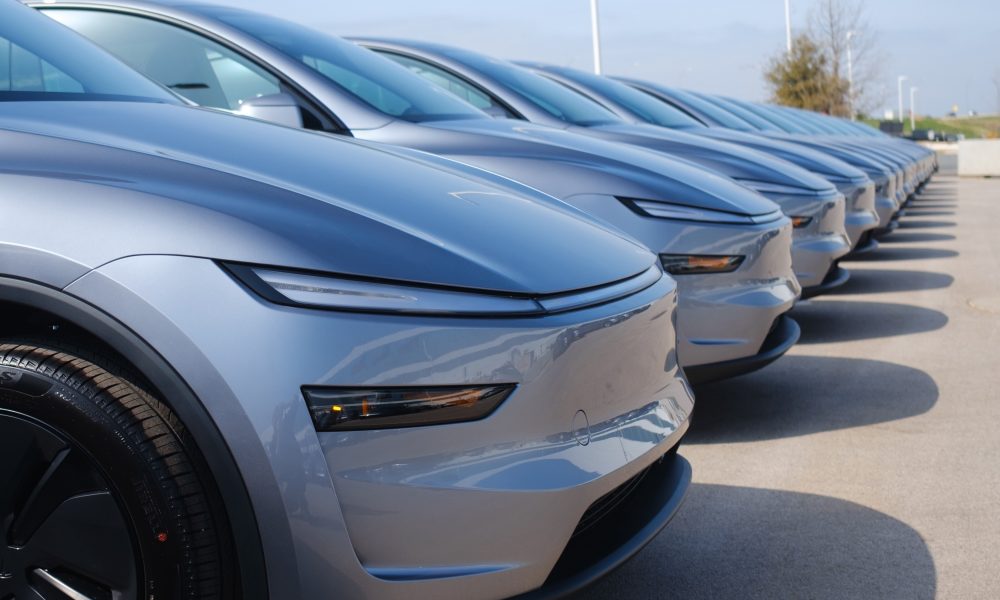
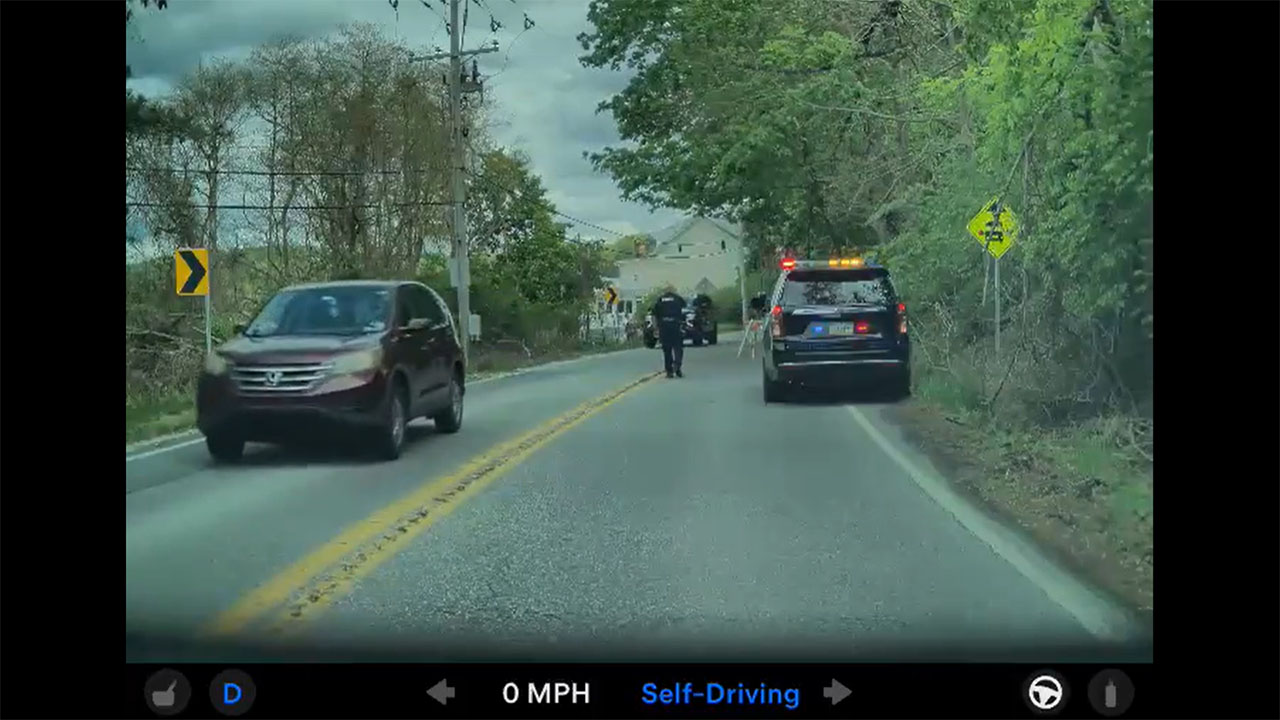
New federal safety data reveals a troubling acceleration in incidents involving Tesla's autonomous ride-hailing service. In just one month, the company reported five additional crashes for its "Robotaxi" fleet operating in Austin, Texas, a significant spike that intensifies scrutiny on the technology's real-world readiness and corporate transparency.
A Disturbing Trend in Crash Data
The latest update to the National Highway Traffic Safety Administration's (NHTSA) Standing General Order (SGO) database shows the Austin fleet's total reported incidents now stands at 14 since its June 2025 launch. More concerning than the raw number is the rate: analysis indicates the Robotaxis are now involved in crashes at a frequency roughly four times higher than that of human drivers in comparable conditions. This deteriorating trend directly contradicts the core safety premise of autonomous vehicle systems. Furthermore, Tesla quietly revised its report on a previous crash to include a hospitalization injury, a serious detail the company had not previously disclosed to the public.
The Transparency Problem and Regulatory Scrutiny
The retroactive upgrade of a crash severity underscores a growing tension between Tesla's disclosure practices and regulatory expectations. The NHTSA's SGO mandates rigorous reporting, yet critical safety information appears to be flowing only through these mandatory channels rather than through proactive public communication. This incident, involving an injury serious enough for hospital care, raises immediate questions about the circumstances and whether similar revisions could follow for other crashes. The lack of voluntary transparency fuels skepticism and complicates the public's ability to assess the Autonomous Driving System (ADS)'s true safety profile as it scales.
For Tesla investors, the compounding crash reports represent a tangible financial and reputational risk. Each incident fuels regulatory scrutiny, potentially slowing deployment plans in other cities and inviting more stringent oversight that could impact the entire EV and autonomy sector. The "four times worse than humans" statistic is a potent soundbite that opponents of the technology will leverage, potentially affecting consumer sentiment and, by extension, Tesla's valuation which is partly buoyed by its AI and robotics narrative.
For current and prospective Tesla owners, particularly those invested in the Full Self-Driving ecosystem, the Austin data serves as a crucial reality check. It highlights the vast difference between driver-assist features on personal vehicles and the immense complexity of a commercial, geofenced robotaxi service operating in dense urban environments. The performance in Austin will likely set the benchmark for future expansions, meaning any persistent issues could delay the rollout of autonomous functionality to private vehicles for years to come.