After years of anticipation and regulatory navigation, Tesla's most advanced driver-assistance system is on the cusp of a European debut. The company has confirmed the completion of its critical Final Testing Phase for Full Self-Driving (Supervised) in the Netherlands, with all documentation now submitted to local authorities. This milestone signals that regulatory approval for FSD (Supervised) in this key European market could be granted as soon as April, paving the way for a potential rollout across the continent.
A Regulatory Breakthrough in a Key European Market
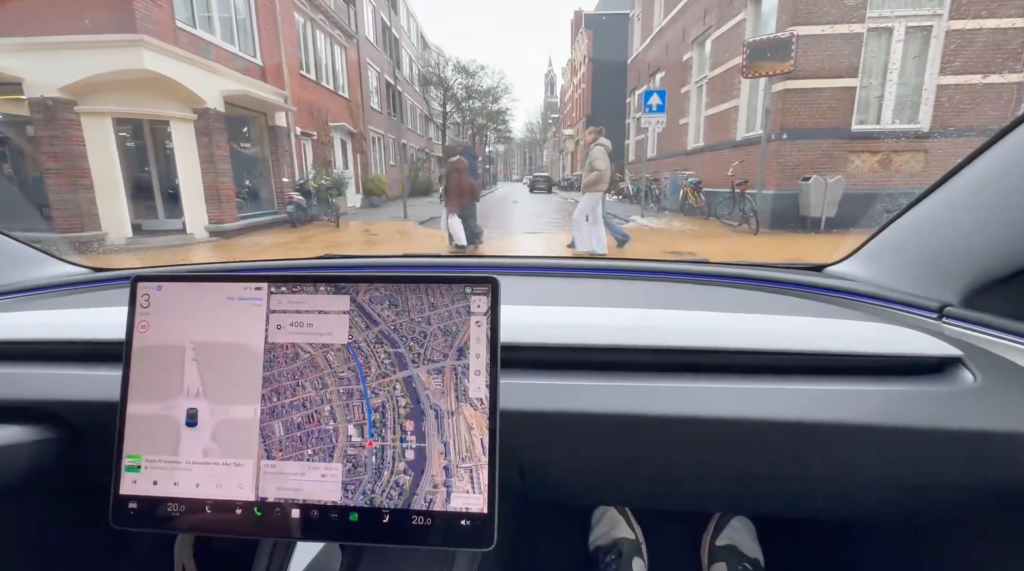
The Netherlands has served as Tesla's strategic beachhead for European FSD validation, home to the company's European headquarters and a historically receptive regulatory environment for innovation. Completing the mandated testing protocol here is a significant hurdle cleared. Unlike the North American rollout, introducing a system like FSD in Europe requires navigating a complex patchwork of national and EU regulations, diverse road signage, and dense urban environments. Tesla's submission of its final dossier to the Dutch Vehicle Authority (RDW) represents the culmination of a meticulous process to demonstrate the system's safety and compliance with stringent European technical standards.
What "FSD (Supervised)" Means for European Drivers
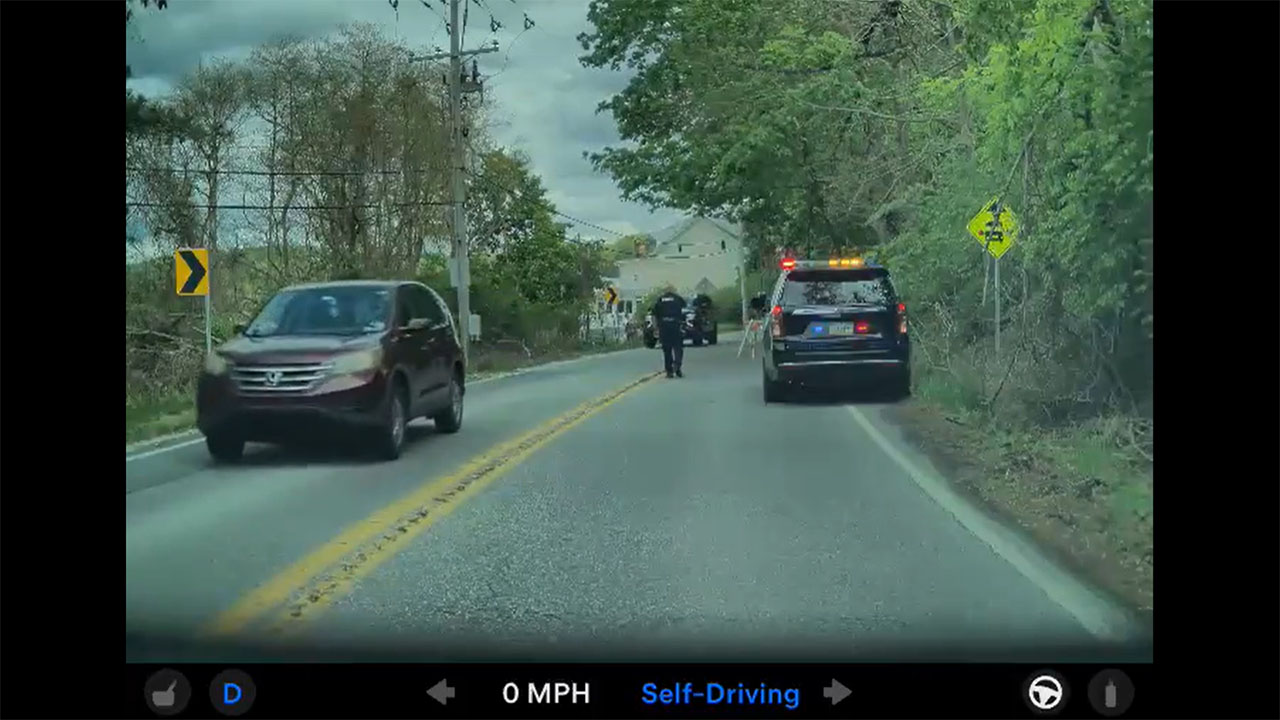
European Tesla owners should temper expectations with a clear understanding of the technology's capabilities. The version seeking approval is FSD (Supervised), an advanced Level 2+ driver-assistance system that requires constant driver attention and readiness to take over. It is not a self-driving car. The system is expected to mirror its North American functionality, enabling vehicles to navigate complex city streets, make turns at intersections, and respond to traffic signals—all under the watchful eye of the driver. This launch would represent a monumental leap beyond the current Autopilot and Enhanced Autopilot features available in Europe, offering a substantially more proactive and nuanced driving experience.
The impending approval carries substantial weight for Tesla's competitive position and technological narrative in Europe. Successfully deploying FSD (Supervised) would provide a powerful, tangible differentiator against a growing field of EV rivals, many of whom are focusing on more conservative driver-assist packages. Furthermore, data gathered from diverse European driving conditions will be invaluable for training Tesla's neural networks, accelerating the global improvement of its Autopilot and FSD software stack. A smooth rollout in the Netherlands will likely serve as a template for expedited approvals in other EU nations, though timelines will vary by country.
Implications for Tesla Owners and Investors
For existing Tesla owners in eligible markets, this news unlocks the potential value of hardware—like the Hardware 3.0 and Hardware 4.0 computer suites—already installed in their vehicles. It transforms a promised capability into a purchasable feature, potentially driving significant high-margin software revenue for Tesla. Investors will watch closely for the adoption rate of the $99/month or $12,000 one-time purchase FSD package in Europe as a new profit center. However, the long-term implications hinge on flawless execution; any high-profile incidents or regulatory pushback during the initial deployment could slow the broader European expansion and attract intensified scrutiny from safety advocates across the continent.