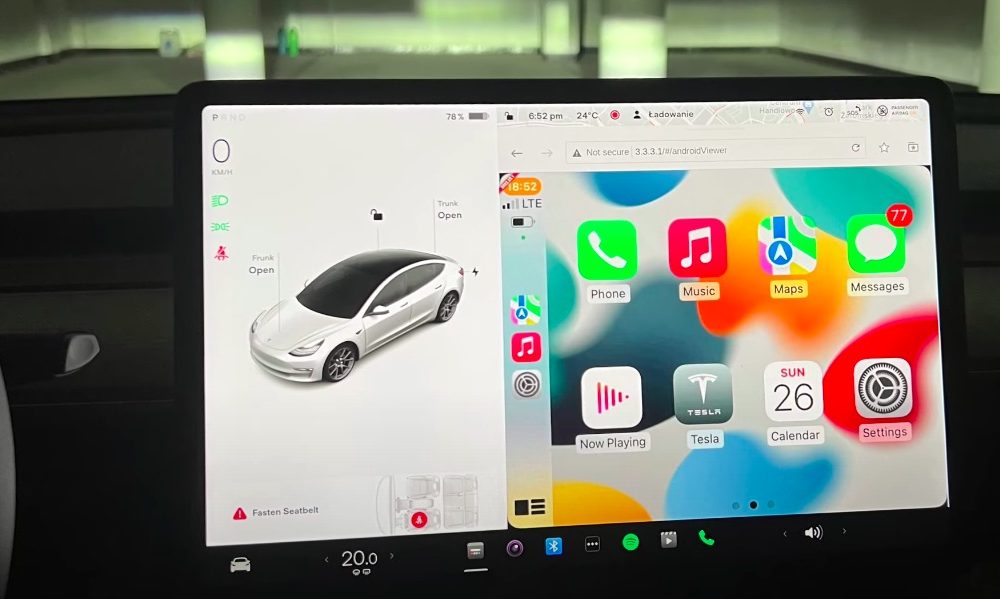
For years, a vocal segment of Tesla owners, particularly those deeply embedded in the Apple ecosystem, have clamored for one specific feature: Apple CarPlay. As competitors from Ford to Porsche seamlessly integrate the iPhone's interface, Tesla's steadfast refusal has often been chalked up to a desire for control over its vertically integrated software experience. However, a deeper, more consequential technical hurdle is emerging as the primary roadblock, one that strikes at the heart of Tesla's most ambitious project: the full realization of its Full Self-Driving (FSD) suite.
The Core Conflict: Third-Party Apps and the FSD Ecosystem
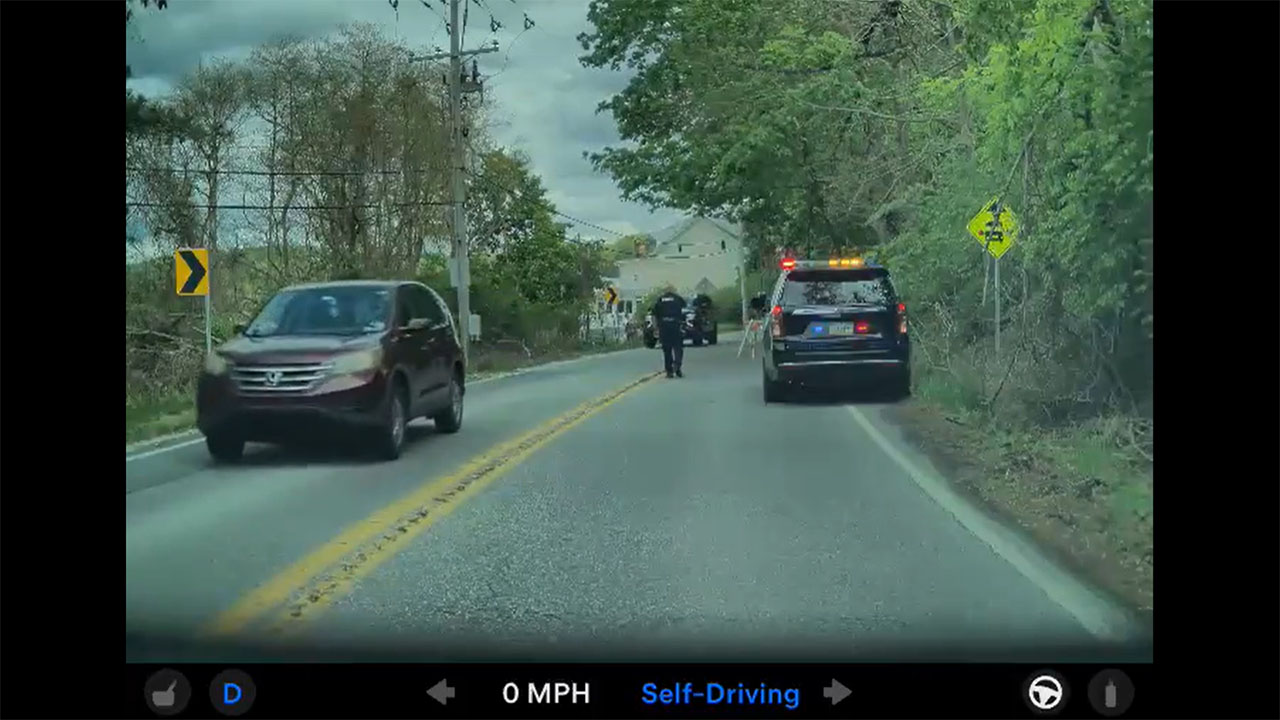
Tesla's vehicle architecture is not merely an infotainment system bolted onto a car; it is a deeply integrated, data-hungry neural network on wheels. The company's navigation is not just for directions—it is a critical input for Autopilot and FSD, informing the car about route geometry, speed limits, and traffic data. Introducing a third-party navigation app like Waze via CarPlay creates a fundamental disconnect. The FSD computer would need to process and trust real-time routing and hazard data from an external source it does not control, creating a potential liability and integration nightmare. Tesla's approach demands a closed-loop system where every sensor and software layer is optimized to work in concert, a philosophy at odds with CarPlay's standalone nature.
Data Sovereignty and the Vertical Integration Advantage
Beyond immediate software handshakes, Tesla's resistance touches on its core business model. The company's industry-leading profitability is fueled by its vertical integration, and its future valuation is pegged to its prowess in artificial intelligence and autonomous driving. Every mile driven using Tesla's native software is a data point that refines its neural networks. Ceding the navigation layer to Apple or Google means losing control over a vital stream of real-world driving data. For Tesla, the infotainment screen is not just an entertainment portal; it is the user-facing tip of a vast AI iceberg. Integrating CarPlay could inadvertently fragment the very data ecosystem that gives Tesla its perceived technological edge.
This stance, while technically defensible, undeniably creates friction for a customer base accustomed to smartphone-level app interoperability. The demand for Waze, with its superior crowd-sourced police and hazard alerts, highlights a perceived gap in Tesla's own service. While Tesla has made strides with its navigation updates, the company faces the ongoing challenge of matching the dynamic, user-driven intelligence of dedicated third-party apps, all while maintaining its walled-garden approach to vehicle automation.
Implications for Owners and the Road Ahead
For current and prospective Tesla owners, this means accepting that the vehicle's software experience is a holistic, proprietary platform. The trade-off is a deeply integrated, potentially safer, and continuously evolving autonomous driving system versus the familiar flexibility of a smartphone mirroring system. Investors should view this not as a simple feature omission, but as a strategic doubling-down on Tesla's AI-first vehicle philosophy. It signals that the company prioritizes the long-term development of its autonomous stack over short-term infotainment convenience. The path forward likely hinges on Tesla either further enhancing its native apps to fully satisfy user demands or, in a distant future, developing a radically new integration framework that allows external apps to interface with its FSD system on its own strict, data-secure terms. Until then, the CarPlay button will remain conspicuously absent from the Tesla touchscreen.