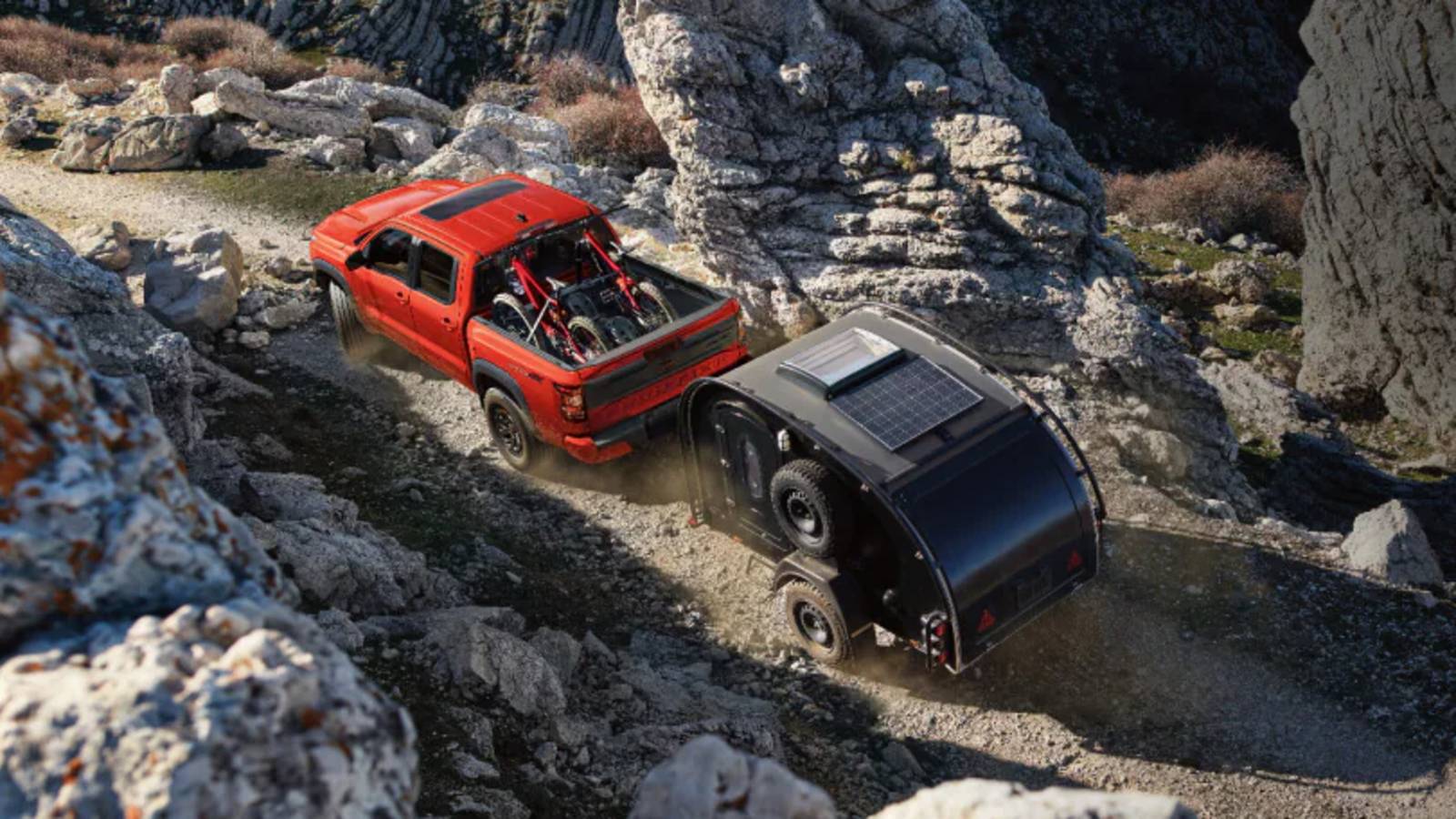
While the electric truck wars rage with the Cybertruck, Rivian R1T, and Ford F-150 Lightning capturing headlines, a quiet but significant evolution is happening in the midsize combustion truck segment. The 2026 Nissan Frontier, as the brand's sole pickup offering in the U.S., is expected to hold its ground with robust, class-competitive towing specs. For Tesla owners and EV enthusiasts watching the broader automotive landscape, the Frontier's persistent capabilities underscore the diverse needs of truck buyers and the specific performance benchmarks electric pickups must continue to meet and exceed.
2026 Nissan Frontier: Expected Powertrain and Towing Specs
Nissan is likely to carry forward the current Frontier's proven 3.8-liter V6 engine, paired with a 9-speed automatic transmission, into the 2026 model year. This setup currently delivers a healthy 310 horsepower and 281 lb-ft of torque. The key figure for truck buyers is its maximum towing capacity, which is anticipated to remain at 6,720 pounds when properly equipped. This number positions the Frontier solidly within the midsize fray, capable of handling substantial trailers, boats, or work equipment, albeit without the seismic torque curve of an electric vehicle powertrain.
Head-to-Head with Key Midsize Rivals
The Frontier's real-world relevance is defined by its competition. Against the popular Toyota Tacoma (max tow: 6,500 lbs), the Nissan holds a slight numerical edge. However, it faces a stiffer challenge from domestic offerings. The Ford Ranger can pull up to 7,500 pounds, while the Chevrolet Colorado and its turbocharged engines can manage up to 7,700 pounds. This comparison highlights the Frontier's position as a competent, if not class-leading, option for traditional towing tasks, relying on a naturally aspirated engine in a segment increasingly moving toward turbocharging and electrification.
This dynamic is crucial context for the EV market. The raw, instant torque of electric motors gives trucks like the Cybertruck (rated to tow up to 11,000 lbs) a dramatic advantage in responsiveness and ease. Yet, the enduring sales of combustion trucks like the Frontier signal that factors like widespread refueling infrastructure, lower upfront cost, and proven long-haul towing range without charging stops remain decisive for a significant portion of the truck-buying public. The transition is not just about matching a number, but overhauling an entire usage paradigm.
Implications for Tesla and the EV Truck Segment
For Tesla owners and investors, the sustained competitiveness of trucks like the 2026 Frontier is a reminder of the market's breadth. While electric vehicles are disrupting performance metrics, conquering the core towing and hauling customer requires continuous advancement in charging infrastructure, particularly for high-demand towing scenarios that drastically reduce range. The Frontier's specs represent the entrenched benchmark that EV trucks must render obsolete not just on paper, but in real-world convenience and cost. As the automotive landscape bifurcates, Tesla's success in the truck segment will be measured by its ability to convert traditional truck buyers, for whom vehicles like the Nissan Frontier remain the default, trusted choice.