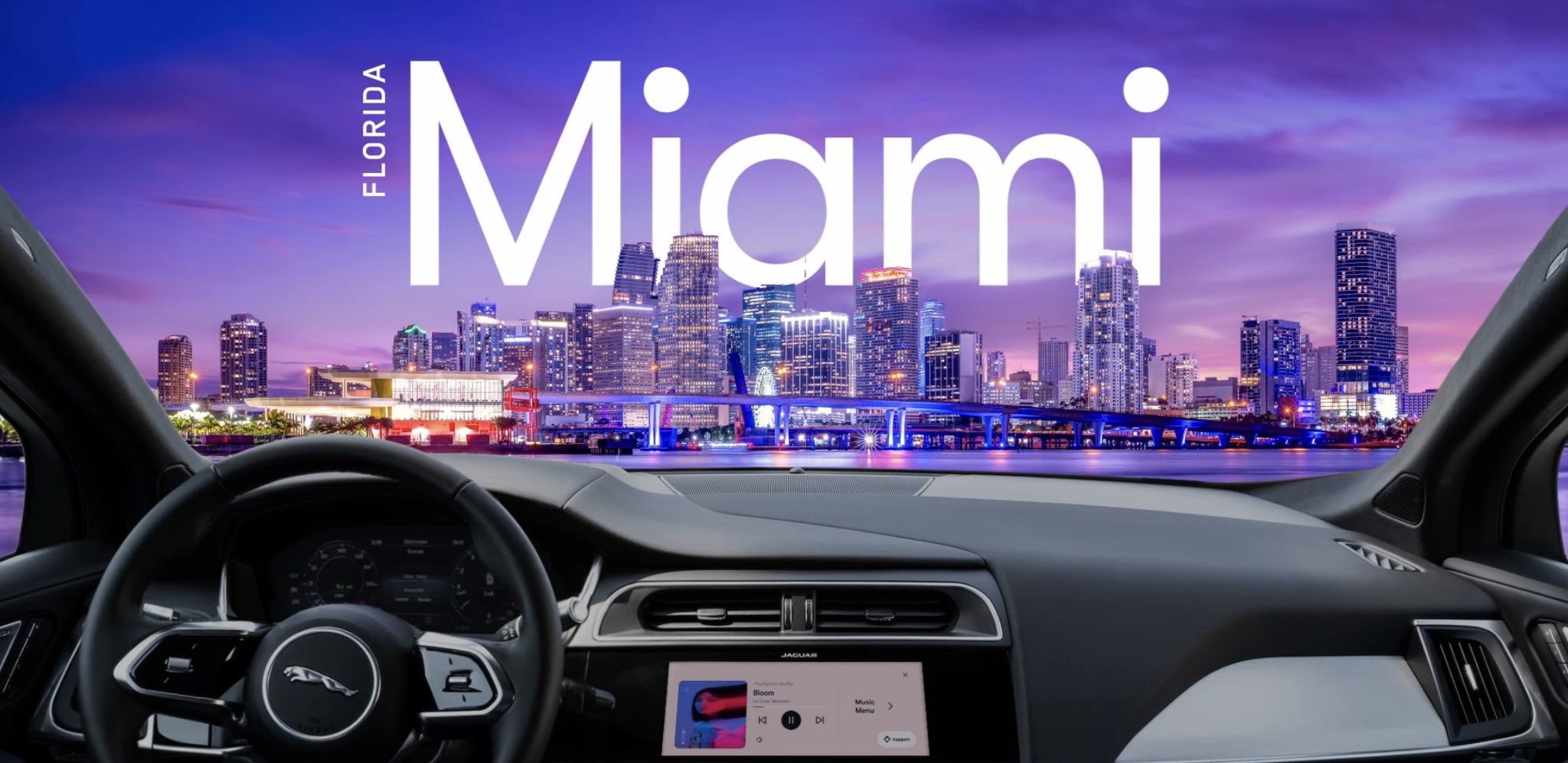
Alphabet's autonomous driving subsidiary, Waymo, has officially opened its driverless taxi service to the public in Miami, marking a significant and aggressive expansion into a major new market. The launch pits the robotaxi pioneer directly against human ride-hail and taxi services in one of America's most complex and congested urban environments, a bold test of its technology's readiness for prime time.
A Strategic Beachhead in a Complex Urban Jungle
Starting Thursday, Waymo began offering public rides within a 60-square-mile service area that includes downtown Miami, Brickell, Coconut Grove, and Miami Beach. The company reports that nearly 10,000 Miami residents had already joined the waitlist prior to launch, indicating strong local curiosity. This expansion is particularly notable given Miami's unique driving culture, dense traffic patterns, and frequent adverse weather—factors that collectively present a far more demanding proving ground than the company's earlier deployments in sun-drenched, geometrically simple suburbs.
The Intensifying Autonomous Race and Tesla's Position
Waymo's Miami launch is the latest move in a high-stakes chess game for dominance in the future of autonomous mobility. While Waymo operates a geofenced, Level 4 service with no human driver, Tesla is pursuing a different, broader path with its Full Self-Driving (FSD) software, aiming for a generalized system that works anywhere. This contrast highlights a fundamental industry schism: dedicated robotaxi fleets versus privately owned electric vehicles with increasingly capable driver-assistance systems. Waymo's continued city-by-city scaling applies indirect but mounting pressure on Tesla to demonstrate tangible progress toward its own robotaxi ambitions, which CEO Elon Musk has repeatedly promised.
The success or failure of Waymo in Miami will be closely watched for more than just technical performance. Regulatory acceptance, public trust in the face of hectic traffic, and the unit economics of operating a large fleet will all be under a microscope. Each successful expansion by Waymo and competitors like Cruise validates the robotaxi business model, potentially accelerating regulatory frameworks and consumer adoption for the entire EV and autonomy sector.
For Tesla owners and investors, Waymo's expansion is a double-edged signal. It validates the immense market potential for autonomy that Tesla is also chasing, potentially increasing the total addressable market for FSD and future robotaxi networks. However, it also underscores that Tesla is not operating in a vacuum; well-funded competitors are deploying commercial services now. The key question for Tesla will be the pace at which it can transition FSD from a supervised system to a truly driverless one capable of competing with dedicated services like Waymo's. Every new city Waymo enters raises the competitive bar and may influence the timeline and valuation investors assign to Tesla's own autonomy promises.