For decades, automotive bragging rights have been dominated by a single, thunderous metric: horsepower. Yet, a quiet revolution has been unfolding in plain sight, fundamentally reshaping what true performance means. While headlines chase four-figure power outputs, the most significant leap in acceleration, cornering, and safety has come from a component often taken for granted—the tire. In the era of the electric vehicle, where instant torque is a given, the synergy between advanced rubber and sophisticated vehicle dynamics is not just an advantage; it's the entire battlefield.
The Unsung Hero: Material Science Meets the Road
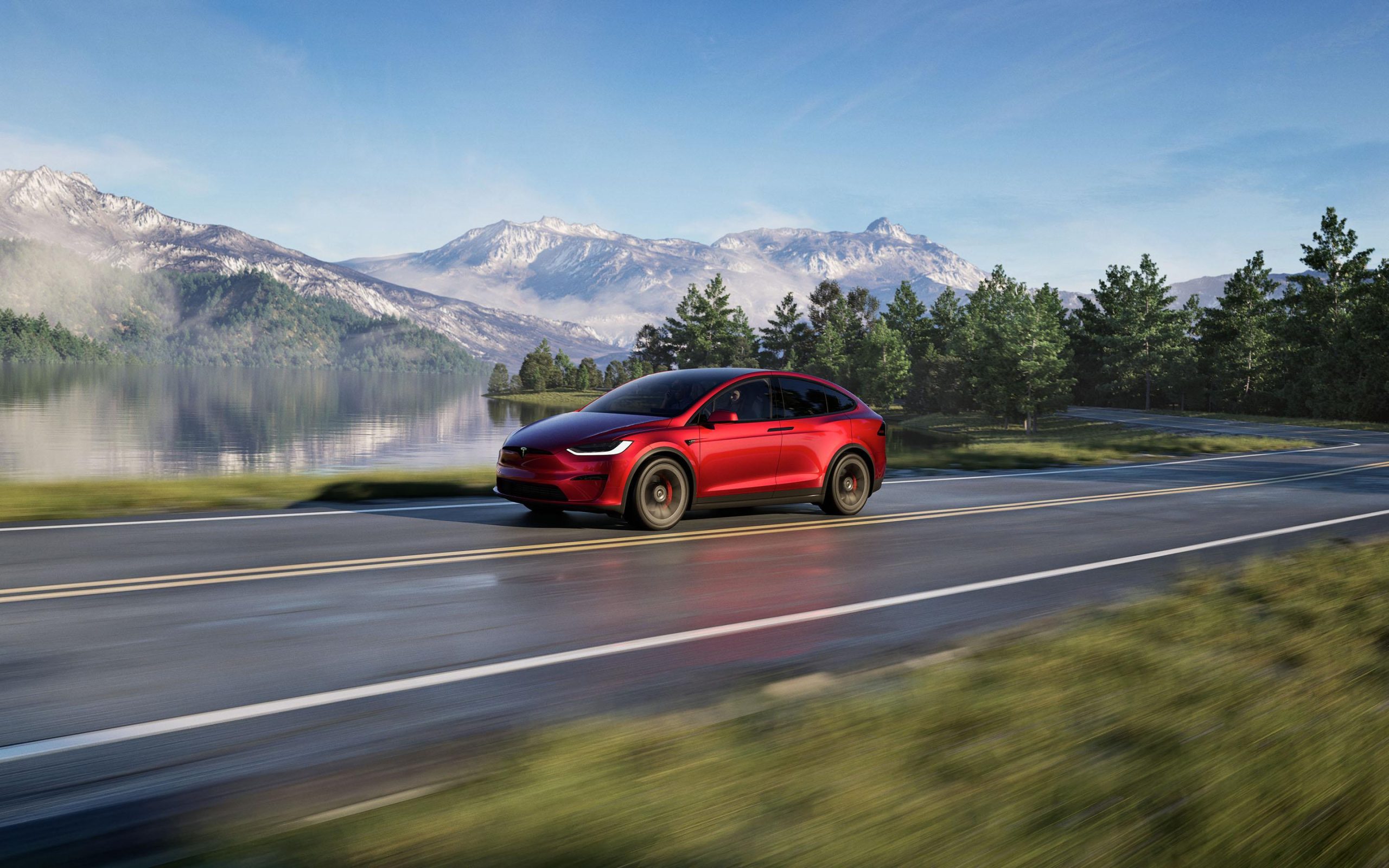
The modern performance tire is a masterpiece of chemical engineering and physics. Gone are the days of simple rubber compounds; today's high-end tires utilize sophisticated silica-infused blends, multi-compound treads, and intricate internal structures. These innovations deliver a seemingly impossible combination: sticky grip for explosive launch traction and lateral cornering forces, coupled with enough durability for daily driving. For a Tesla Model S Plaid—capable of generating over 1,000 horsepower—this is non-negotiable. The tire is the only thing translating that immense electric thrust into forward motion, preventing it from dissolving into a cloud of smoke and wasted potential.
Beyond Grip: The Intelligence in the Rubber
Modern tires are no longer passive components; they are integral, data-rich parts of the vehicle's performance ecosystem. Advanced tread patterns are computationally designed to manage water dispersion with incredible efficiency, maintaining contact in wet conditions that would paralyze older performance cars. Furthermore, the precise construction and consistent behavior of today's ultra-high-performance tires allow a vehicle's stability control and traction management systems to operate with finer granularity. This allows systems like Tesla's own sophisticated software to manage power delivery with surgical precision, maximizing efficiency and safety without sacrificing the visceral thrill of acceleration.
The impact is profound. A contemporary performance EV on state-of-the-art tires can achieve braking distances and cornering speeds that rival supercars from a decade ago, despite potentially weighing significantly more. This democratization of performance, enabled by tire technology, means that everyday drivers experience levels of safety and dynamic competence previously reserved for the track. The tire's role has evolved from a simple contact patch to a dynamic performance *enabler*, allowing vehicle engineers to push the boundaries of what's possible in acceleration, handling, and integrated electronic control.
For Tesla owners and investors, the implications are critical. As Tesla continues to push the limits of power and vehicle dynamics, its partnership with tire manufacturers and its recommendations for optimal rubber become a key part of the ownership experience. The choice of tire directly impacts real-world range, safety, and the full realization of the vehicle's performance potential. For investors, it underscores that Tesla's advantage isn't just in batteries or software, but in a holistic engineering approach where every component, down to the tires, is optimized for the unique demands of electric performance—a synergy that pure horsepower numbers can never tell.