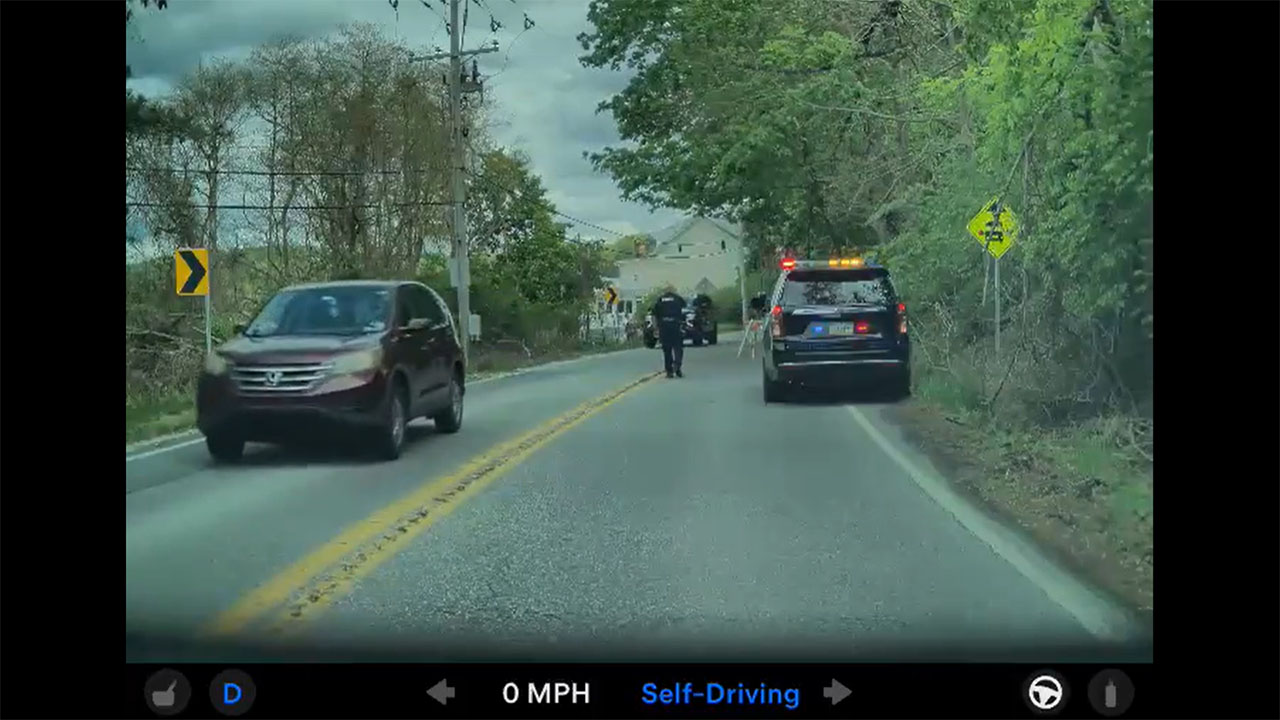
In a rare and pointed public critique, former Waymo CEO John Krafcik has cast significant doubt on the fundamental hardware strategy of Tesla's ambitious Full Self-Driving (FSD) system. Speaking on the podcast Quick Charge, Krafcik asserted that Tesla's camera-only "Tesla Vision" approach lacks the necessary fidelity for true autonomy, claiming it would fail the rigorous calibration standards of a DMV eye test. His comments ignite a fresh debate in the EV industry as it pivots toward a software-defined future, a shift underscored by Volvo Cars' simultaneous unveiling of its strategically vital new electric vehicle, the all-new Volvo EX60 SUV.
The Vision Debate: Krafcik's Core Argument Against Tesla's Hardware
John Krafcik's criticism cuts to the heart of a long-standing philosophical divide in autonomous driving. He argues that a vision-only system, no matter how sophisticated its software, is inherently limited by the physics of optical sensors. "The resolution, the ability to see at night, the ability to see in inclement weather... it's just not there," he stated, implying Tesla's hardware suite is fundamentally unsuited for the safety-critical demands of driverless operation. This stands in stark contrast to Waymo's and many other competitors' reliance on a sensor fusion approach, integrating lidar, radar, and cameras to create a redundant, high-definition model of the world. For Tesla, betting everything on cameras is a high-stakes gamble that its artificial intelligence can overcome these physical constraints.
Volvo's Counterpoint: The EX60 and a Cautious Path to Autonomy
While Tesla pursues a visionary but controversial leap, Volvo's reveal of the EX60 exemplifies a more incremental industry pathway. As the successor to its best-selling XC60, this electric SUV is arguably Volvo's most crucial launch this decade, tasked with electrifying a core revenue model. More tellingly, its anticipated suite of advanced driver-assistance systems will likely mirror the industry's multi-sensor, safety-first ethos. Volvo, through its partnerships and ownership by Geely, has consistently emphasized a layered approach to automation, prioritizing collision avoidance and verified safety over unsupervised driving. The EX60's technology will serve as a tangible counterpoint to Tesla FSD, showcasing how legacy automakers are packaging autonomy features within a traditional framework of risk mitigation.
The timing of these parallel narratives is not coincidental. They represent two competing visions for the future of the electric vehicle. Tesla champions a disruptive, software-centric future where cars evolve into autonomous robots through continual over-the-air updates, albeit with hardware critics deem insufficient. The broader auto industry, as seen with Volvo, is focusing on electrifying proven vehicle segments while deploying assistive automation cautiously, often with more sensor hardware but narrower operational scope. This clash will ultimately be decided by regulatory approval, consumer trust, and demonstrable safety records, not just technological ambition.
For Tesla owners and investors, Krafcik's comments are a stark reminder of the unresolved technical and regulatory hurdles facing FSD. While the system's capabilities have grown, the path to truly driverless "Level 4" autonomy with current hardware remains hotly contested. The investment thesis heavily relies on Tesla cracking the code with vision alone, unlocking a staggering software revenue stream. Any sustained regulatory or technological setback could impact that valuation pillar. Conversely, Volvo's EX60 strategy highlights the competitive reality: Tesla's lead in battery efficiency and software integration is now being met with compelling, well-engineered electric vehicles from legacy brands that may appeal to customers seeking a more cautious tech adoption curve.