In a move that could dramatically accelerate Tesla's evolution from an electric vehicle manufacturer to a global robotics and AI leader, CEO Elon Musk has signaled a potential regulatory breakthrough. According to recent statements, Tesla's Full Self-Driving (FSD) system could receive critical regulatory approvals in Europe and China as early as next month. This development represents the most significant near-term catalyst for the company's ambitious valuation, which is increasingly predicated on software and autonomy rather than hardware alone.
A Strategic Pivot Beyond the Electric Vehicle
While Tesla's core business remains building compelling EVs, its long-term growth narrative is inextricably linked to the monetization of its autonomous driving software. Approval in China and Europe—two of the world's largest and most competitive automotive markets—would unlock a massive new revenue stream. Currently, FSD is primarily available in North America, with a take rate that fluctuates around 10-20% of new deliveries. Gaining access to millions of new customers would not only provide a direct financial boost but also vastly increase the real-world data pool, which is the essential fuel for refining the AI behind the system.
Navigating the Regulatory Maze
The path to approval is fraught with complex challenges, particularly in Europe, where data privacy laws and a more cautious regulatory stance on autonomous driving prevail. China presents its own unique hurdles, including stringent data localization requirements and intense competition from domestic EV makers developing similar systems. Musk's optimistic timeline suggests Tesla may have made substantial behind-the-scenes progress in addressing these concerns, potentially agreeing to data handling frameworks or demonstrating a specific, geofenced version of FSD that meets local standards. The company's recent partnership with Baidu for mapping and navigation data in China is seen as a crucial step in this direction.
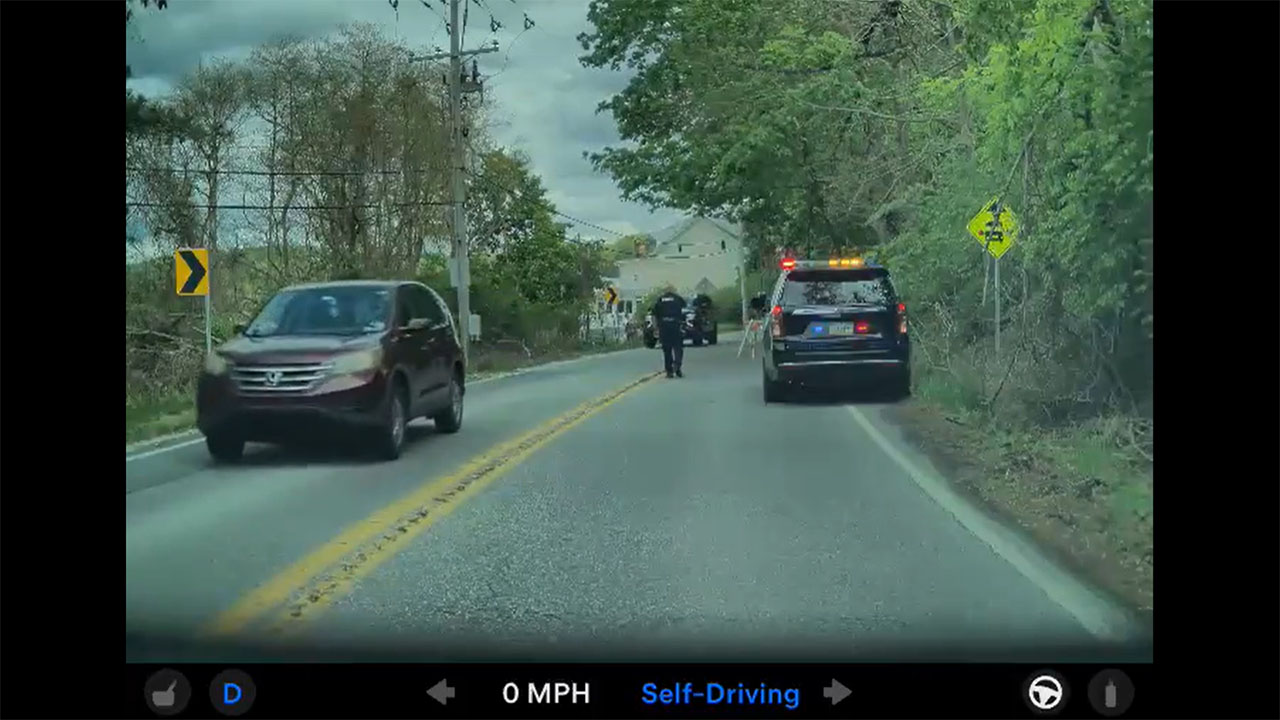
For Tesla owners in these regions, approval would transform a long-promised capability into a tangible, subscription-based feature. It would immediately upgrade the functionality and residual value of their vehicles, offering features like automatic city driving, lane changes, and parking. However, the rollout will almost certainly be gradual, likely starting with a limited "supervised" version similar to FSD Beta, requiring driver attention and oversight. The true test will be in public adoption and performance within the dense, complex urban environments that define European and Chinese cities.
For investors, the implications are profound. Successful regulatory approval would validate years of R&D investment and solidify Tesla's first-mover advantage in a high-margin software arena. It would shift the investment thesis further toward recurring software revenue, which commands higher valuation multiples than automotive manufacturing. Conversely, any significant delay or rejection could reignite concerns about the viability and timeline of Tesla's autonomy ambitions, putting pressure on a stock price that factors in substantial future software earnings. The next few months will be a critical proving ground, determining whether Tesla can truly scale its most disruptive technology on a global stage.