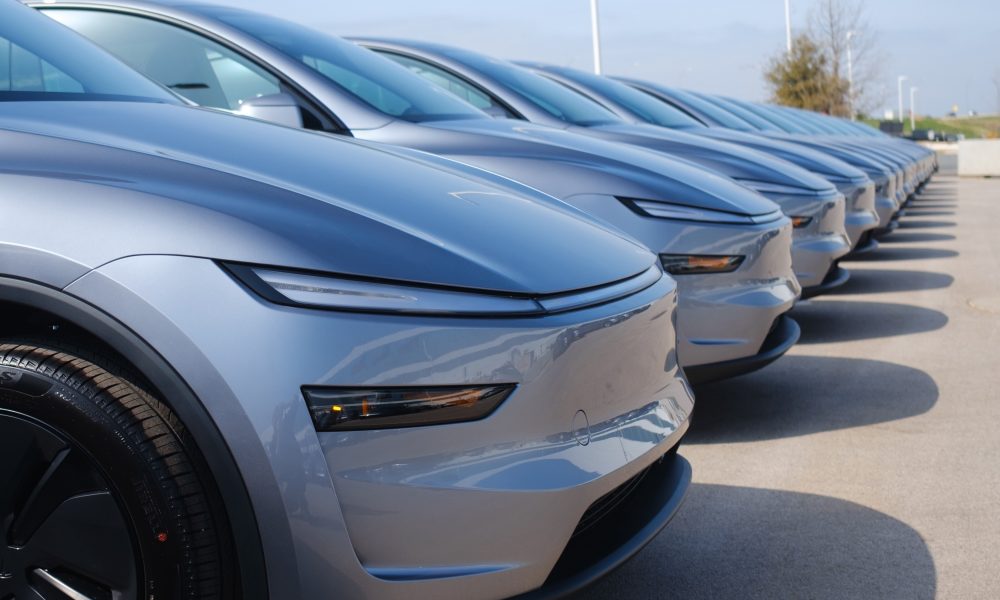
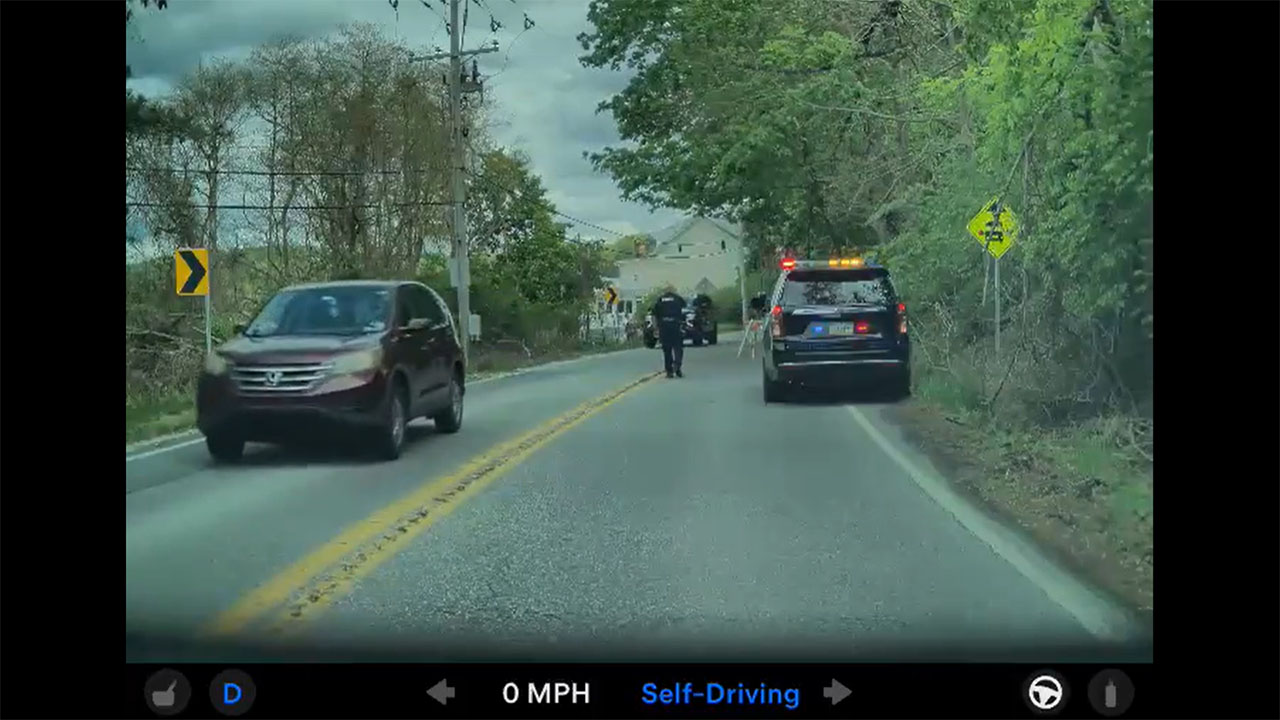
The era of "Autopilot" as a consumer-facing brand name is officially over. In a quiet but seismic shift, Tesla has begun removing the term from its website and marketing materials for new vehicle purchases, signaling the end of a decade-long chapter defined by both technological ambition and intense regulatory scrutiny. This rebranding coincides with a critical National Transportation Safety Board (NTSB) investigation into a recent Waymo incident, creating a pivotal moment where the entire premise of advanced driver-assistance systems (ADAS) is being re-examined under a harsh new light.
The Sunset of "Autopilot": More Than a Name Change
Tesla's decision to retire the Autopilot name is far from cosmetic. The term, long criticized by safety advocates and regulators for potentially misleading drivers about the system's capabilities, is being replaced by the more descriptive "Tesla Full Self-Driving (Supervised)" package for its suite of advanced features. This move appears to be a direct response to mounting legal and public pressure, including investigations by the National Highway Traffic Safety Administration (NHTSA). While the underlying technology evolves, the messaging is now unequivocal: the driver is responsible. This strategic pivot attempts to close the gap between marketing perception and engineering reality, a chasm that has fueled controversy for years.
NTSB's Scrutiny: A Industry-Wide Reckoning
As Tesla rebrands, another pillar of the autonomous vehicle (AV) industry faces a high-stakes probe. The NTSB has launched an investigation into a Waymo robotaxi incident that resulted in a collision with a cyclist. Unlike the NHTSA's broader defect investigations, the NTSB focuses on the precise causal chain of events, including software decision-making, sensor performance, and safety culture. This deep dive into a leading Level 4 autonomous operator sends a clear signal: no company, regardless of its technological pedigree, is immune from scrutiny. The findings could establish new benchmarks for how self-driving systems perceive and react to complex urban environments, particularly involving vulnerable road users.
The simultaneous timing of these events is not coincidental but reflective of a broader industry inflection point. Regulatory patience for beta testing on public roads is wearing thin. The focus is shifting from visionary promises to demonstrable safety data, robust driver monitoring, and unambiguous communication. For Tesla, moving past the Autopilot brand is an attempt to reset this conversation. For the AV sector, the NTSB's Waymo investigation represents a critical test of its readiness for wider deployment, where real-world performance must match long-held aspirations.
For Tesla owners and investors, the implications are tangible. Existing vehicles will retain the Autopilot name, but the future roadmap is now explicitly tied to the "Full Self-Driving" suite, with its supervised designation reinforcing the need for constant driver attention. This may affect residual values and the public perception of Tesla's technology lead. More broadly, increased regulatory rigor from both the NHTSB and NTSB means faster, less controversial software rollouts could become more challenging. The investment narrative is thus evolving from one of disruptive speed to one of managed execution, where regulatory compliance and transparent safety reporting become just as important as iteration velocity in securing long-term market dominance.