For the modern adventurer, the allure of the open road is increasingly electric, yet a parallel universe of gas-powered wanderlust continues to roll on wheels. While Tesla redefines mobility with its sleek EVs and nascent Cybertruck ecosystem, a vast fleet of traditional recreational vehicles (RVs) highlights a stark contrast in ownership experience—one dominated not by over-the-air updates, but by frequent mechanical interventions and steep, unpredictable repair bills.
The Hidden Cost of the Roaming Home
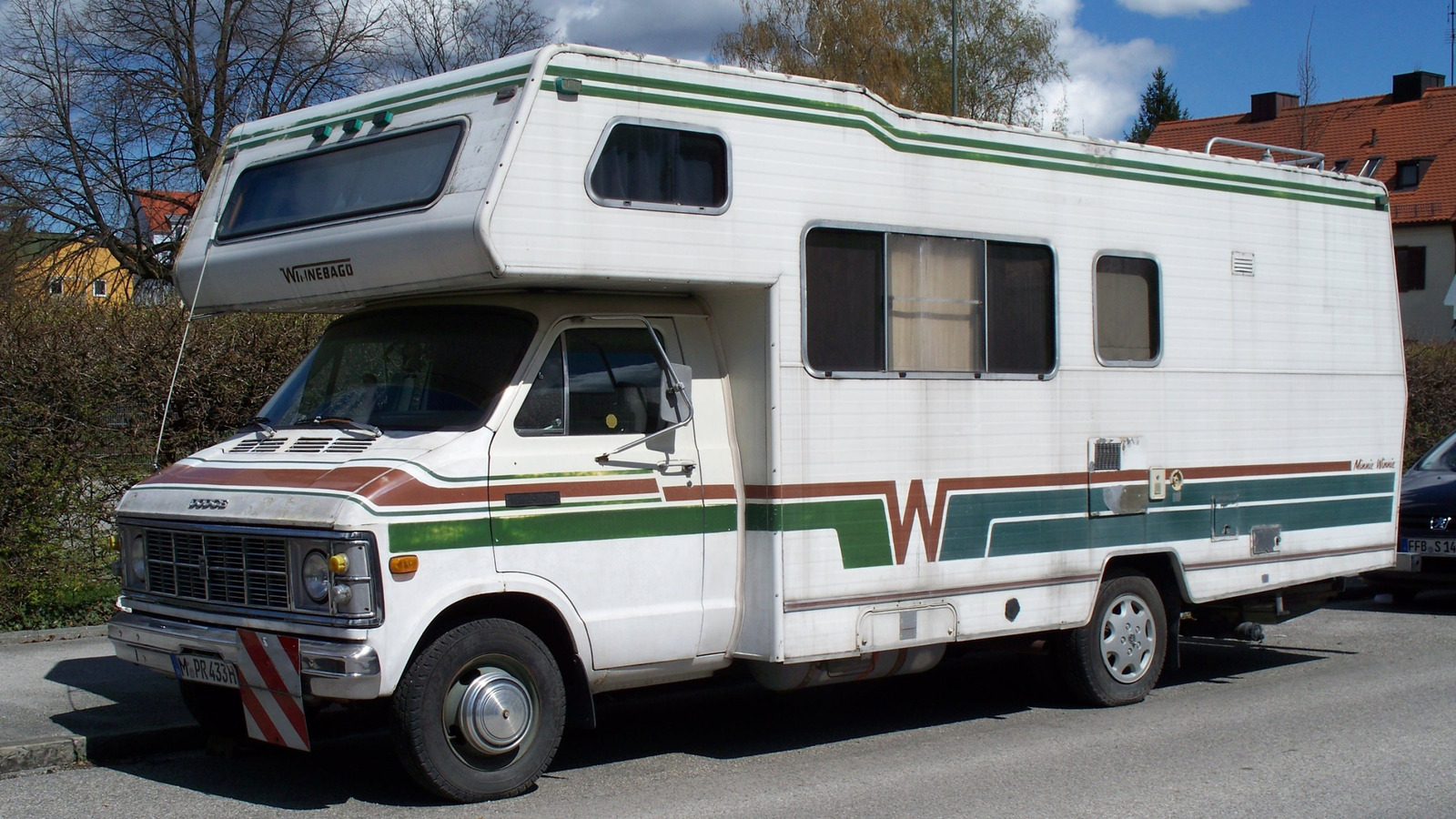
Maintaining an RV is a unique financial undertaking, blending the complexities of automotive repair with the domestic issues of a home. Unlike the simplified electric vehicle powertrain with far fewer moving parts, a conventional RV pairs a combustion engine with a full living space, doubling its failure points. Roof and water damage repairs are among the most common and insidious, often costing between $500 and $5,000+ depending on the extent of leaks and mold remediation required. Similarly, plumbing and appliance issues with refrigerators, air conditioners, and water heaters can quickly drain wallets, with HVAC system repairs averaging $200 to $1,500.
Powertrain and Infrastructure: The Big-Ticket Items
The drivetrain presents the most direct cost comparison to the automotive world. Transmission failures or engine overhauls on a heavy-duty RV chassis are catastrophic events, frequently exceeding $5,000 and reaching $15,000 or more. Brake system repairs, crucial for these multi-ton vehicles, often fall in the $300 to $1,000 range per axle. Furthermore, the electrical system—a labyrinth of 12V and 120V circuits—is a constant source of trouble, with diagnosis and repair costs varying wildly but consistently presenting a reliability challenge foreign to most Tesla owners.
This landscape of mechanical anxiety underscores a core Tesla advantage: predictability. The absence of routine oil changes, transmission services, and exhaust system repairs in an EV translates to significantly lower and more stable long-term operating costs. While no vehicle is immune to issues, the shift from complex mechanical systems to integrated software and electric motors represents a fundamental change in the ownership burden.
Implications for the Tesla Ecosystem
For Tesla owners and investors, the RV repair paradigm serves as a powerful reminder of the value embedded in the company's vertically integrated, software-first approach. The high costs and frequency of traditional RV maintenance validate Tesla's mission to accelerate the world's transition to sustainable energy not just for the environment, but for owner economics and simplicity. As Tesla develops its own vision for recreational travel—potentially through the Cybertruck platform and future camper solutions—it has a clear opportunity to bypass this legacy repair ecosystem entirely. The future of road trip freedom may not be in fixing leaky roofs and faulty generators, but in leveraging a robust Supercharger network and a vehicle that gets better over time, not more expensive to maintain.