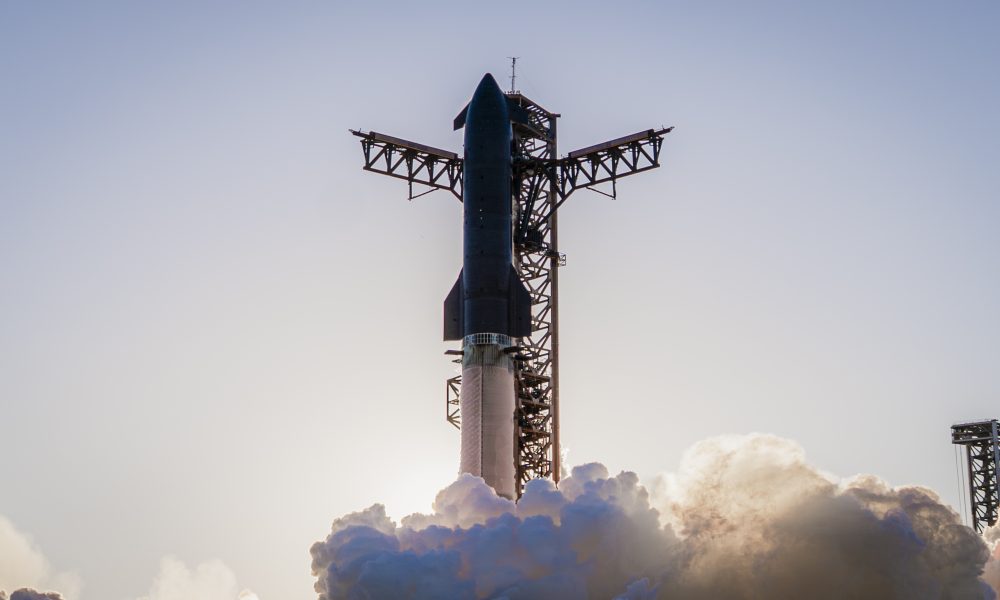
While Tesla investors are accustomed to tracking production numbers and delivery estimates, a different kind of timeline from Elon Musk is now capturing attention. In a recent update, Musk revealed that the first flight of SpaceX's Starship Version 3—the most powerful iteration of the fully reusable rocket system yet—could launch as soon as March. This announcement, seemingly focused on interplanetary ambitions, carries subtle but significant implications for the future trajectory of Tesla and the broader electric vehicle ecosystem.
The Engineering Leap: Raptor V3 and Rapid Iteration
The core of the Starship V3 update lies in its new propulsion system. The rocket will be powered by the Raptor V3 engine, which Musk has stated achieves over 18.5 tons of thrust in testing, a marked increase over the current V2 design. This relentless pace of hardware iteration at SpaceX, moving from prototype to V3 in a matter of years, exemplifies the "hardcore" engineering philosophy Musk often seeks to instill at Tesla. The parallel is clear: just as SpaceX iterates on rocket design at breakneck speed, Tesla continuously refines its manufacturing processes and vehicle architectures, aiming for similar leaps in efficiency and performance.
Beyond Mars: The Terrestrial Benefits for Tesla
The connection between a massive rocket and an electric vehicle company is not as tenuous as it may seem. SpaceX's advancements in material science, particularly with advanced alloys and carbon fiber, along with its mastery of large-scale battery pack management for flight systems, have a history of informing Tesla's engineering. More directly, the success of Starship is foundational to Musk's long-term vision for SpaceX's Starlink constellation. A fully operational, low-cost Starship launch platform could rapidly deploy next-generation satellites, promising to expand and enhance the premium connectivity services already integrated into Tesla vehicles, potentially turning global, high-bandwidth internet into a standard and superior feature.
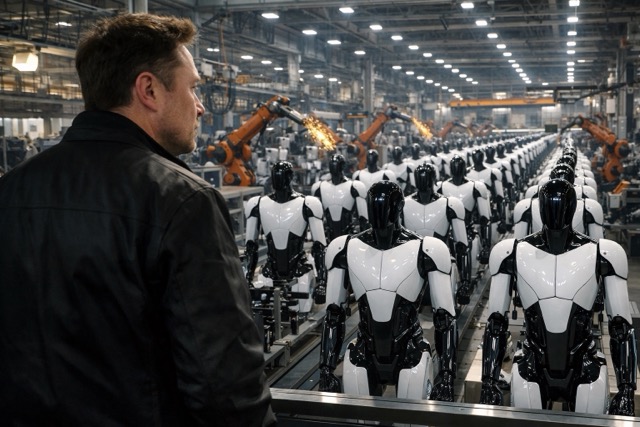
Furthermore, the financial symbiosis is critical. A thriving SpaceX, with Starship as its centerpiece, secures Musk's personal capital and reinforces his reputation as a leader who delivers on monumental technological promises. This success casts a halo effect over all his ventures, bolstering investor confidence in Tesla's own ambitious goals, like fully autonomous driving and humanoid robotics. The market often views these companies as a linked portfolio of disruption.
For Tesla owners and investors, the Starship V3 timeline is a reminder that they are invested in a broader technological frontier. Near-term, the relentless innovation cycle demonstrated at SpaceX pressures Tesla to maintain its lead in EV technology and manufacturing efficiency. Long-term, the infrastructure built by SpaceX—specifically global connectivity and reduced launch costs—could unlock new revenue streams and value propositions for Tesla, from seamless vehicle software updates anywhere on Earth to ambitions that extend beyond it. Watching a Starship launch is not just a spectacle; it's a window into the interconnected future Musk is building, where Tesla's roads and SpaceX's orbital paths are fundamentally aligned.