When considering the purchase of a new electric vehicle, the warranty often serves as a critical safety net, a promise of long-term quality from the manufacturer. Conventional wisdom suggests that established automotive titans, with their decades of engineering heritage, would offer the most comprehensive coverage. Yet, a surprising market analysis reveals that the longest, most transferable bumper-to-bumper warranties are not coming from household names, but from newer entrants and brands like Kia, Hyundai, and Genesis—companies that have aggressively used warranty length as a strategic tool to build trust and market share.
The Warranty as a Weapon for Market Entry
For legacy automakers, a strong brand reputation has historically been the primary sales tool. Newer or less-established brands, however, lack this century of consumer confidence. To compete, they have turned the warranty into a central pillar of their value proposition. Offering a 10-year/100,000-mile powertrain warranty is a bold statement, effectively telling consumers, "We are so confident in our vehicle's durability that we will guarantee it for a decade." This strategy directly addresses the perceived risk of buying from a newer brand and has proven remarkably effective in shifting market perception and driving sales growth in the competitive automotive landscape.
Where Tesla's Warranty Strategy Fits In
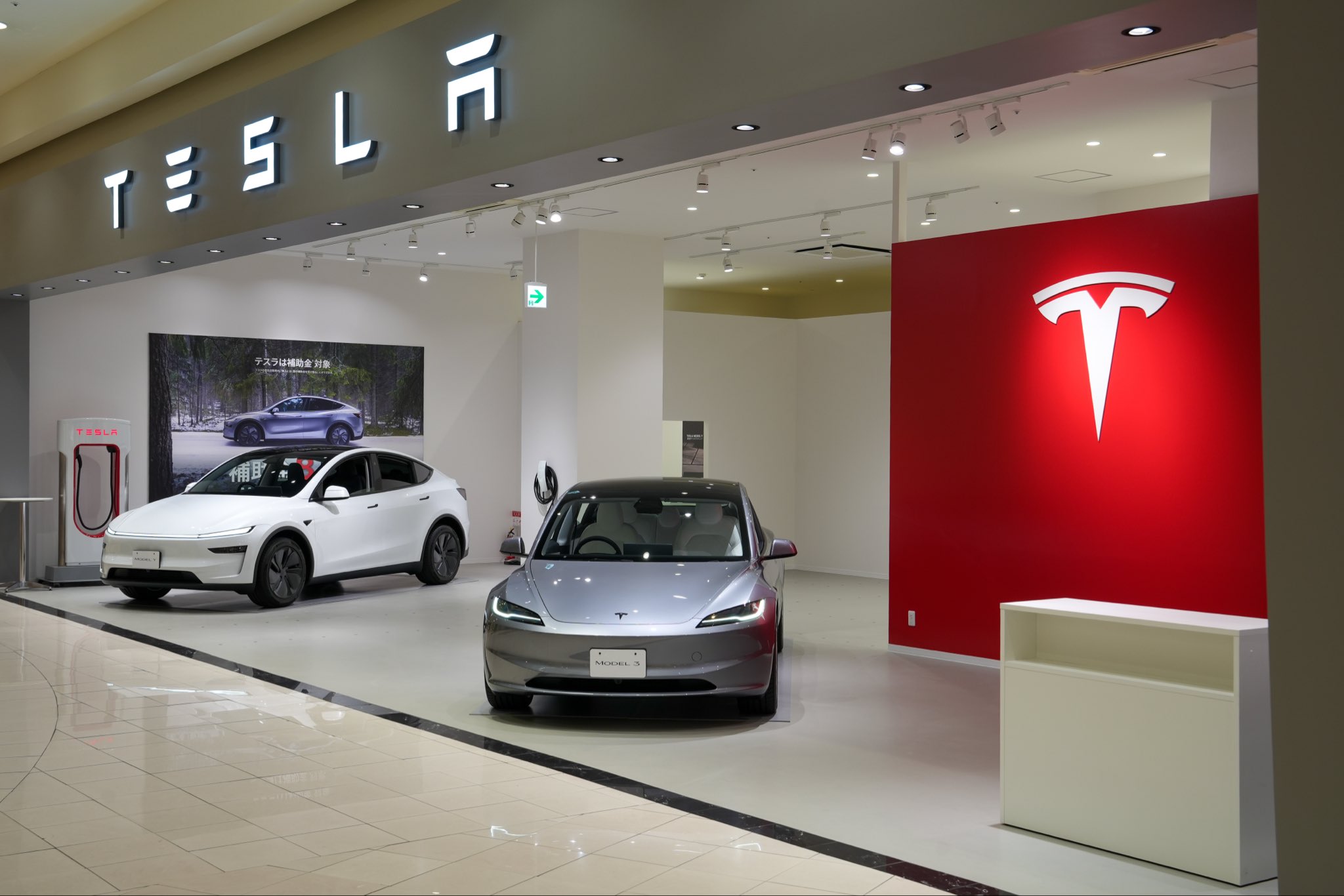
Tesla, as a pioneer in the EV space, operates with a different calculus. Its warranty structure is competitive within the premium EV segment but generally shorter than the industry-leading offers. For instance, Tesla's Basic Vehicle Limited Warranty typically covers 4 years or 50,000 miles, while its battery and drive unit warranty extends to 8 years or 100,000-150,000 miles, depending on the model. This reflects a company whose brand strength is built on technology, performance, and software innovation, rather than using warranty length as a primary marketing lever. Tesla's confidence lies in its vertically integrated manufacturing and over-the-air update capability, which allows it to address many issues remotely without a dealer visit.
The divergence in strategy highlights a fundamental industry split. Traditional challenger brands use the warranty to guarantee the hardware for an extended period. Tesla, while covering core components, invests its brand equity in the continuous improvement of the software and user experience. This creates two different types of consumer assurance: one against mechanical failure, and another against technological obsolescence.
For Tesla owners and investors, this landscape presents both context and opportunity. The company's standard warranty is adequate but not class-leading, which places the onus on Tesla to maintain its reputation for vehicle reliability through real-world performance. For investors, it underscores that Tesla competes on an entirely different axis—its ecosystem, software margins, and manufacturing efficiency—rather than engaging in a warranty "arms race." However, as more EV startups and legacy automakers enter the fray with compelling products, the pressure to enhance customer peace of mind, potentially through more inclusive long-term coverage, could become a more significant factor in maintaining Tesla's dominant market position and customer loyalty in an increasingly crowded field.