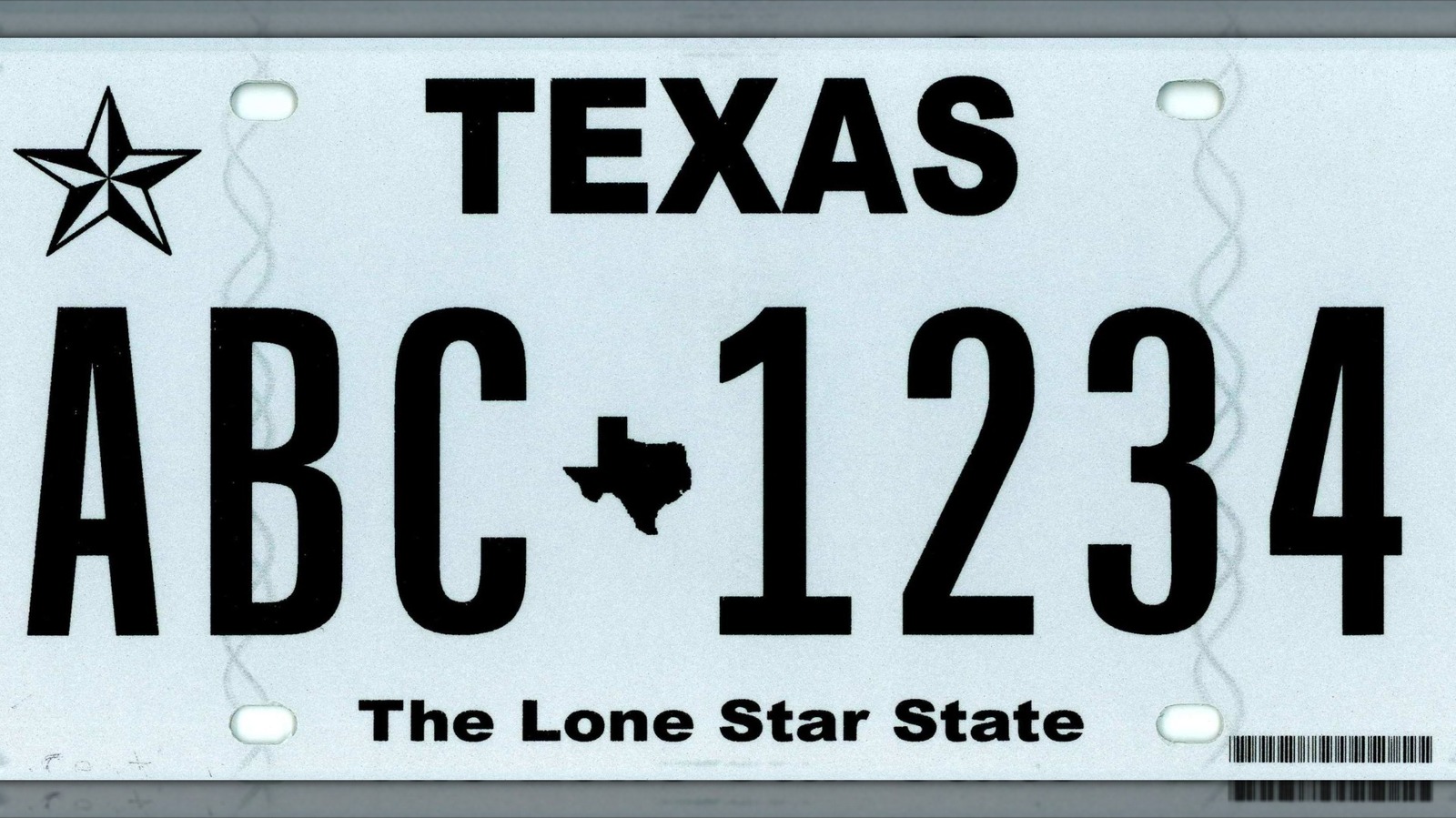
For years, the paper temporary tag was a notorious fixture—and a glaring loophole—on Texas roads, enabling a wave of fraudulent registration that blurred the lines of accountability and revenue. In 2022, the state took decisive action, mandating that dealers issue permanent, metal license plates at the point of sale. While the move was hailed as a critical step toward closing that loophole, new data and law enforcement reports reveal a persistent and sophisticated problem: the proliferation of high-quality counterfeit metal plates. The solution, it seems, has spawned a new, more durable breed of evasion.
The Digital Arms Race: How Counterfeits Fill the Void
The elimination of paper tags was meant to sever the easy pipeline of fake temporary permits, often generated by "ghost dealers" online. However, criminal operations have simply adapted. Instead of printing flimsy paper, they now produce convincing replicas of Texas' metal plates, complete with stamped numbers and official-looking fonts. These fakes are often sold online to individuals seeking to avoid registration fees, taxes, or mandatory vehicle inspections. The shift represents a digital arms race, where enforcement agencies must now combat physical forgeries that are far harder to distinguish at a glance than their paper predecessors.
Dealer Vindication and Unintended Consequences
While dealers may sometimes complain about change, it seems they were right in this case. Many in the automotive industry warned that the new system, while well-intentioned, would not be a panacea without concurrent, robust enforcement of the supply chain and penalties for manufacturers of fake plates. The current situation validates those concerns. The burden has partially shifted: whereas fraudulent paper tags were often tied to sham dealerships, the new metal fakes can be attached to any vehicle from any source, complicating traceability. This creates an unintended consequence where legitimate EV owners and dealers operate within a system still undermined by bad actors, potentially affecting public perception and safety.
For Tesla, which operates on a direct-to-consumer model in Texas, the implications are nuanced. The company's controlled sales process means every vehicle leaves its delivery centers with legitimate, state-issued permanent plates. However, Tesla vehicles are not immune to being targeted by thieves using counterfeit plates to cloak stolen cars. More broadly, the pervasive issue of fake plates undermines the security and legal framework of the entire transportation ecosystem, a system in which Tesla is a leading technological stakeholder.
For Tesla owners and investors, this ongoing struggle presents both a minor nuisance and a significant systemic risk. Owners may face increased scrutiny from law enforcement, as officers become more vigilant of plate fraud. The larger concern is the erosion of road safety and regulatory integrity. A vehicle with fake plates is often uninsured and uninspected, posing a direct financial and physical risk to all road users, including Tesla drivers. Investors should monitor this as a persistent regulatory and enforcement challenge in a key market; a state struggling with vehicle identification and revenue collection may face pressures that could eventually impact all automakers, particularly those championing a future of automated driving and connected vehicle networks that rely on accurate vehicle identification.