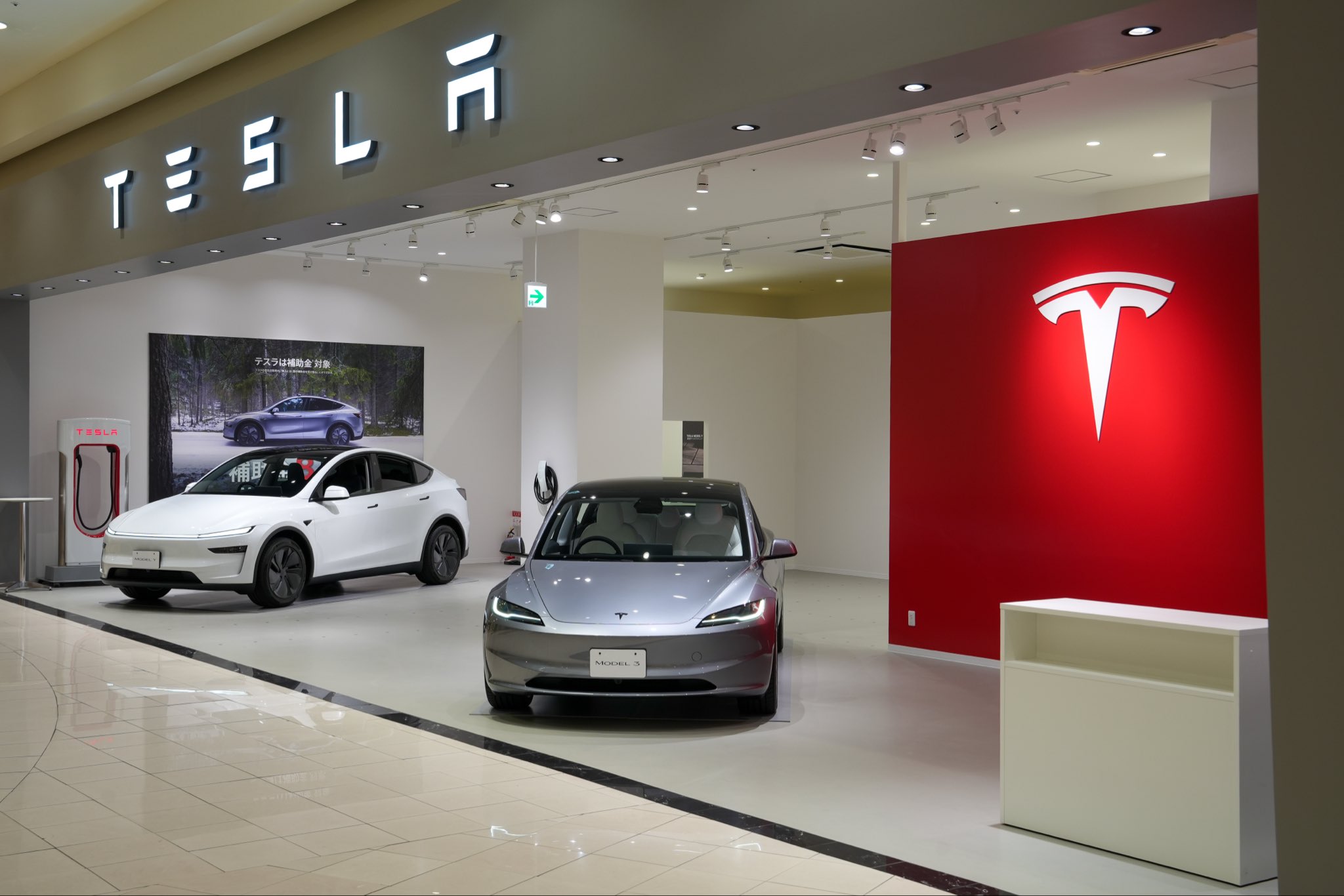
For the second consecutive year, the Tesla logo will be conspicuously absent from the floor of the Vancouver International Auto Show. The electric vehicle pioneer has confirmed it will not participate in the 2026 event, a decision that now appears to be a settled corporate strategy rather than a reaction to external factors. This quiet, planned absence stands in stark contrast to the last-minute removal that characterized its exit from the 2025 show, signaling a more fundamental shift in how Tesla engages with the traditional auto show circuit.
A Deliberate Strategy, Not a Forced Exit
The context of Tesla's absence is crucial. In 2025, the automaker was removed from the show's roster by organizers, a move that sparked significant industry debate. For 2026, the narrative is different: Tesla's non-participation is a premeditated choice. This aligns with the company's long-standing, albeit evolving, approach to marketing and customer engagement. Historically, Tesla has eschewed the conventional auto show model, preferring to control its narrative and customer experience through its direct sales network, online configurator, and high-profile product launch events. The Vancouver decision reinforces that, for core markets, this philosophy remains largely intact.
The Changing Landscape of Auto Marketing
Tesla's repeated bypass of the Vancouver show underscores a broader industry transformation. Traditional auto shows, once paramount for unveiling new models and generating consumer excitement, are competing with direct-to-consumer digital strategies and brand-owned experiences. For a company like Tesla, with its industry-leading brand recognition and dedicated EV customer base, the return on investment for a costly physical booth at a regional show is increasingly questioned. The resources may be better allocated towards expanding its Supercharger network, opening new delivery centers, or hosting targeted test drive events for prospective buyers.
However, the auto show still holds value for legacy automakers launching their own electric vehicles to a broad, often curious, but not yet committed audience. The Vancouver show floor in 2026 will likely be dominated by these competitors, giving them a prime opportunity to showcase their latest EVs to consumers who might otherwise default to Tesla. This creates a unique dynamic where Tesla cedes the physical marketing space to its rivals, betting that its product strength and brand equity will win out regardless.
Implications for Owners and Investors
For current Tesla owners and prospective buyers in British Columbia, the impact is minimal. Vehicle orders, test drives, and service continue uninterrupted through the company's established local infrastructure. For investors, the move is a telling data point in understanding corporate priorities. It reflects a disciplined focus on cost-efficient customer acquisition and a confidence that its sales funnel does not require traditional auto show validation. The lack of drama surrounding this year's decision suggests a mature, operational consensus within Tesla's leadership, reinforcing its unique and often contrarian position within the automotive industry. The company is not just selling cars; it is steadfastly maintaining a distinct go-to-market playbook that continues to challenge century-old norms.