Just days after Elon Musk's cryptic announcement, Tesla's ambitious "Terafab" semiconductor project is shifting from vision to execution. The company has posted its first official job listings for the initiative, signaling a rapid and serious commitment to bringing advanced chip manufacturing in-house. This move, occurring well before the project's slated start, suggests Tesla is accelerating its timeline to gain control over one of the most critical—and bottlenecked—components in modern manufacturing: the silicon brain of its electric vehicles and AI ambitions.
From "Terran" to "Terafab": Decoding Tesla's Chip Ambitions
The project, initially referred to by Musk as "Terran," now appears under the more descriptive "Terafab" moniker in recruitment materials. This naming evolution hints at a foundational manufacturing facility ("fab" being industry shorthand for fabrication plant). The posted roles are highly specialized, seeking a Director of Fab Operations and a Senior Equipment Engineering Manager. These are not exploratory research positions but core leadership roles for establishing and running a physical production operation. The requirements include deep experience in semiconductor tool installation, high-volume manufacturing, and yield improvement—clear indicators that Tesla is building a real-world chip factory, not just a design lab.
The Strategic Imperative: Beyond Supply Chain Security
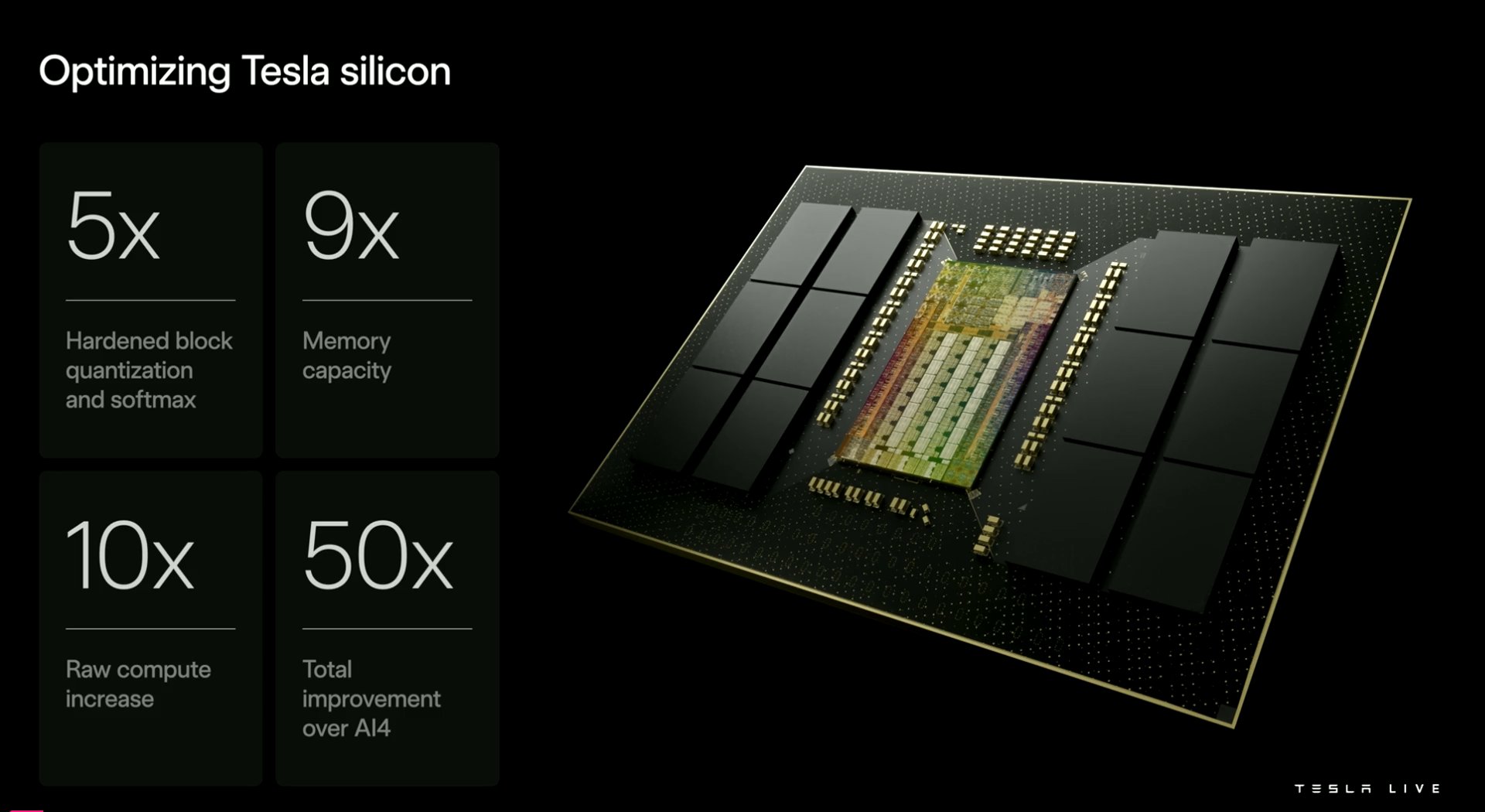
While securing its supply of processors for EVs and Full Self-Driving (FSD) computers is a clear motivator, Tesla's ambitions likely run deeper. Vertical integration in semiconductors would allow for unprecedented hardware-software co-design. Tesla could create chips uniquely optimized for its neural networks and vehicle architectures, potentially achieving significant performance and efficiency gains over off-the-shelf components. Furthermore, in the race toward artificial general intelligence and autonomous robotics, proprietary silicon is a monumental competitive advantage. Controlling the entire stack, from chip design to fabrication, could be the key differentiator that separates Tesla from rivals reliant on third-party foundries like TSMC or Samsung.
The scale of this undertaking cannot be overstated. Building a state-of-the-art semiconductor fab is a multi-billion dollar endeavor requiring immense expertise, cleanroom construction, and access to advanced lithography tools. Tesla's aggressive hiring push so close to Musk's announcement reveals a project that has been in the planning stages for some time, awaiting a public green light. The company's experience with the D1 chip for its Dojo supercomputer provides a foundational knowledge base, but moving from designing training chips to mass-producing a variety of complex automotive-grade semiconductors is a leap of several orders of magnitude in complexity.
Implications for Owners and Investors
For Tesla owners, the long-term promise is more capable, efficient, and potentially lower-cost vehicles as hardware bottlenecks ease and innovation cycles accelerate. For investors, Terafab represents both a high-risk, capital-intensive bet and a potentially industry-defining moat. Success would insulate Tesla from global chip shortages and grant it a technological lead that could be insurmountable. However, the path is fraught with execution risk, massive upfront investment, and a steep learning curve in a field dominated by a few entrenched giants. The swift move to hiring confirms that for Tesla, the future of electric vehicles and autonomy is not just written in code—it's etched in silicon.