In a decisive move that signals a major shift in its software sales strategy, Tesla has begun removing the option to purchase its Full Self-Driving (FSD) capability outright on new vehicle orders. This action comes just days after CEO Elon Musk indicated the company would eliminate the one-time payment option, accelerating a transition that pushes all future customers toward a subscription model for its premier driver-assistance suite.
The End of an Era for Upfront FSD Purchases
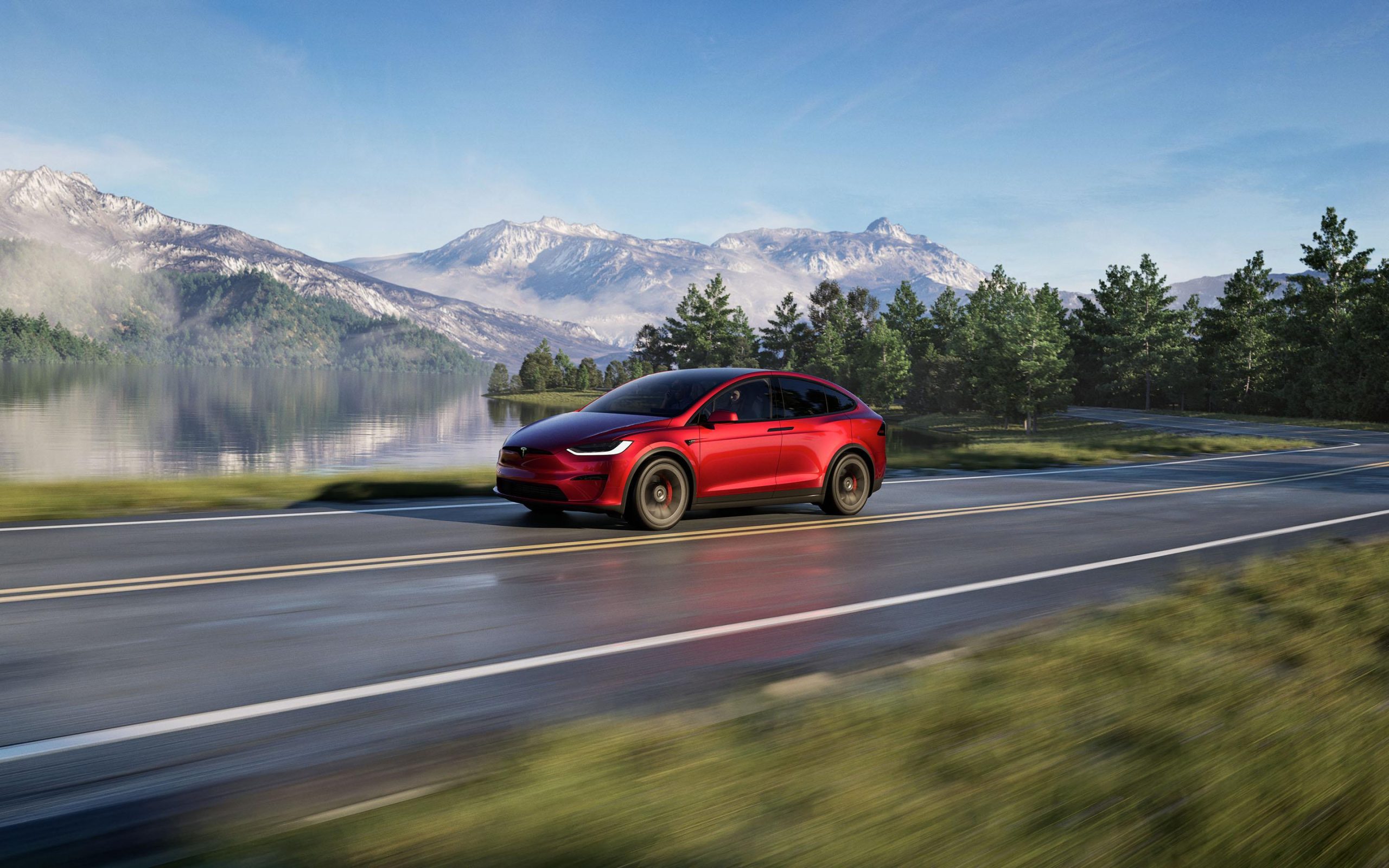
For years, Tesla customers have faced a critical financial decision at the configurator: pay a substantial lump sum—recently $12,000—for permanent FSD access, or forego it for a lower upfront cost. That choice is now being systematically removed. The change is currently visible on order pages for vehicles like the Model S and Model X, where the "Full Self-Driving Capability" purchase checkbox has vanished, leaving only the $199 per month subscription. This phased rollout suggests a complete removal across the entire model lineup is imminent, fundamentally altering the calculus of owning Tesla's most advanced software.
Strategic Pivot to a Subscription-First Future
This is not a sudden change but the culmination of a long-term strategy. Tesla introduced the FSD subscription in mid-2021, providing a lower-barrier entry point to the technology. By eliminating the outright purchase, Tesla is betting entirely on the recurring revenue stream of subscriptions. This model guarantees a steady, predictable income from its software ecosystem, which boasts exceptionally high margins compared to hardware. It also lowers the initial cost barrier for the electric vehicle, potentially boosting vehicle sales while monetizing the software later. The move underscores Tesla's vision of itself not just as a car company, but as a software and robotics platform where continuous updates are a service.
Analysts see this as a necessary step to align customer engagement with the reality of FSD's development. The technology has been sold as a future-facing capability for years, and a subscription model more accurately reflects its ongoing, iterative nature. Owners are essentially paying for access to a rapidly improving beta suite, rather than a finished product. This shift also mitigates customer frustration over paying a large sum for features that may take years to materialize fully, as the subscription can be started or stopped at will based on the current utility and performance of the system.
For Tesla owners and investors, the implications are significant. Current owners who already purchased FSD outright will retain it, potentially increasing the resale value of those specific vehicles. New buyers, however, must now factor a perpetual monthly fee into their cost of ownership if they want the feature, which could exceed the old upfront cost over a 5-6 year ownership period. For investors, the recurring software revenue strengthens Tesla's financial profile and makes its earnings more resilient, a key metric as competition in the EV market intensifies. The success of this pivot now hinges on Tesla delivering consistent, tangible improvements to FSD that justify an ongoing monthly payment for millions of drivers.