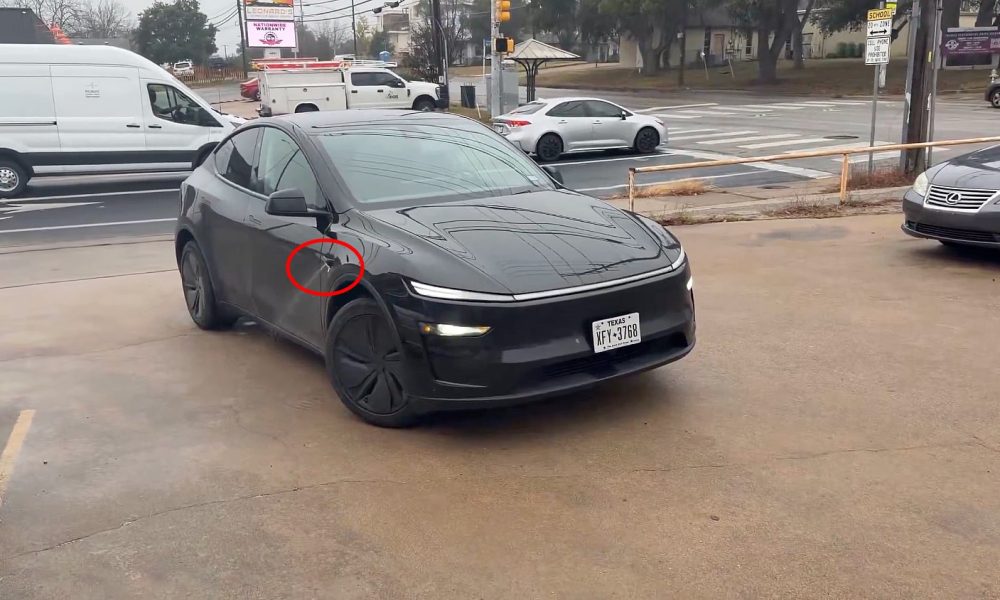
For years, Tesla's vision-based Full Self-Driving system has faced a simple, yet critical, vulnerability: dirty cameras. As anticipation builds for the official unveiling of the dedicated Tesla Robotaxi on August 8th, new visual evidence confirms a pivotal hardware upgrade aimed directly at solving this problem. Exclusive imagery reveals the Robotaxi prototype is equipped with integrated camera washers—a feature absent from current consumer models like the Model Y and one long requested by the EV community for its necessity in reliable autonomous operation.
The Critical Role of a Clear Vision
Unlike other autonomous vehicle developers who use lidar and radar, Tesla's Full Self-Driving (FSD) suite relies entirely on a suite of external cameras to perceive the world. These cameras act as the car's eyes, responsible for everything from lane keeping and object detection to reading traffic signs and signals. A single obscured lens from road grime, spray, or ice can blind a crucial sensor, creating a potential safety gap. The new washers, visible on the front fender cameras and likely elsewhere, represent a direct engineering response to ensure uninterrupted operation in all weather conditions, a non-negotiable requirement for a commercial robotaxi service.
Hardware Divergence and the Path to Autonomy
This discovery highlights a growing hardware divergence between Tesla's consumer vehicles and its purpose-built autonomous platform. While current owners have relied on manual cleaning or weather-dependent performance, the Robotaxi is being engineered from the ground up for maximum uptime and Level 4 autonomy. The addition of this dedicated cleaning system underscores the higher reliability threshold for a vehicle intended to generate revenue with no human behind the wheel. It signals that Tesla views this feature not as a luxury, but as mission-critical infrastructure for its driverless future.
The strategic implication is clear: Tesla is methodically addressing the real-world edge cases that have kept FSD in a "beta" phase. By solving the camera occlusion problem with a robust hardware solution, the company moves closer to validating its camera-only approach for commercial deployment. This incremental but vital step strengthens the technical argument for its vision-based strategy as it prepares to scale a fleet.
For Tesla owners and investors, the Robotaxi's camera washers are more than a neat feature; they are a tangible signal of the company's maturation in autonomous technology. It demonstrates a pragmatic focus on the unglamorous, practical hurdles of driverless deployment. While it may prompt questions about retrofits for existing vehicles, the primary takeaway is increased confidence in the technical viability of the upcoming Robotaxi network. This focused hardware development suggests Tesla is in the final stages of hardening its system for a true commercial launch, potentially unlocking the massive recurring revenue stream that has long been central to the company's valuation.