In a move that has sent shockwaves through the electric vehicle community, Tesla has quietly removed its foundational Autopilot driver-assistance suite as standard equipment on new vehicle orders. The change, which was implemented without a formal announcement, fundamentally alters the value proposition of a new Tesla and has ignited a firestorm of criticism from prospective buyers and industry observers alike. For years, the promise of advanced, standard-included driver aids has been a cornerstone of the brand's tech-forward identity.
A Stripped-Base Experience: What's Left Standard?
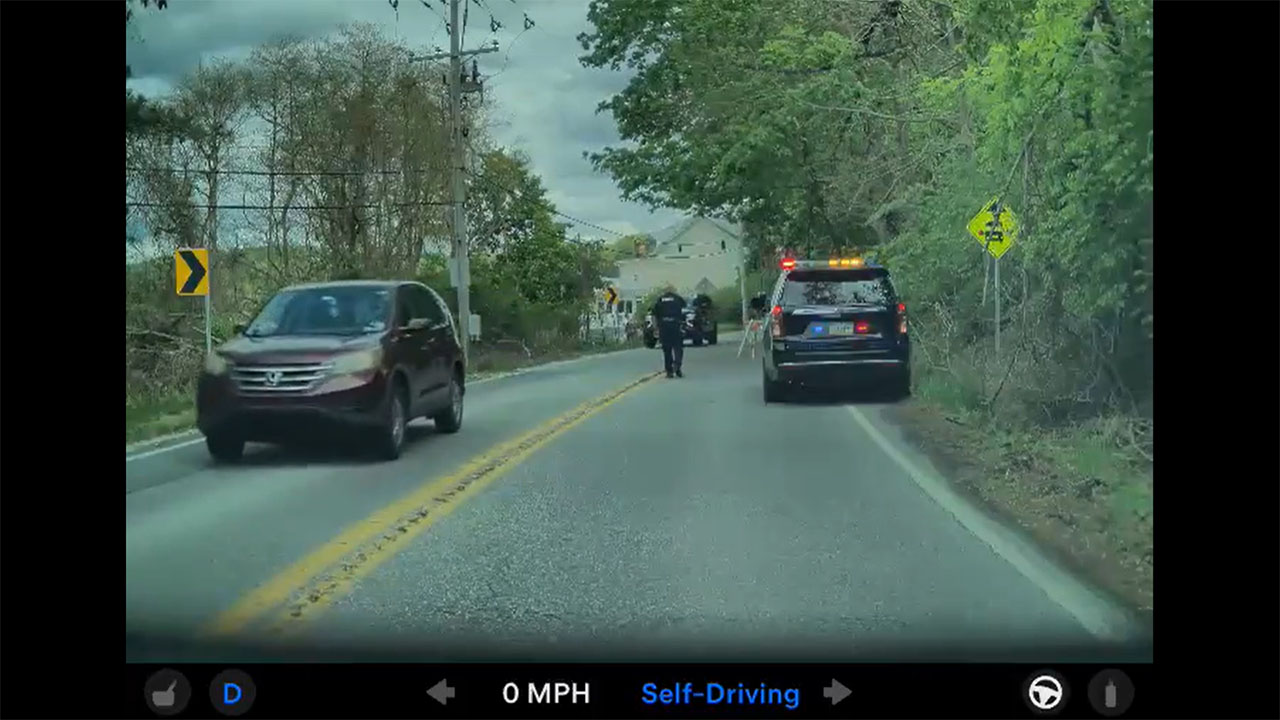
With the removal of the basic Autopilot package, new Tesla orders now come standard with only Traffic-Aware Cruise Control (TACC) and Autosteer conspicuously absent. This means the vehicle can match the speed of surrounding traffic but will not automatically steer within a lane—a core function that has defined the Tesla driving experience for nearly a decade. Customers seeking the familiar Autopilot functionality, or the more advanced Full Self-Driving (FSD) capability, must now opt for paid packages at an additional cost of thousands of dollars.
Community Backlash and Perceived Value Erosion
The online reaction was swift and overwhelmingly negative. Forums and social media platforms are flooded with comments from long-time supporters expressing dismay, arguing that the company is stripping away a key feature that justified its premium pricing. The criticism centers on a perception of value erosion; buyers feel they are receiving less for the same money in an increasingly competitive EV market where rivals are offering more comprehensive standard driver-assist suites. This strategic unbundling is seen by many as a push to boost software revenue, but at the potential cost of customer goodwill.
This decision arrives at a complex juncture for Tesla. As regulatory scrutiny around the branding and capabilities of its driver-assistance systems intensifies globally, simplifying the standard offering could be a risk-mitigation tactic. However, the analysis suggests this is primarily a financial engineering move. By making Autopilot an explicit paid upgrade, Tesla can better recognize high-margin software revenue upfront, potentially bolstering its margins as it navigates pricing pressures and increased competition.
For current Tesla owners, the change has no immediate effect, but it signals a shifting strategy where software features become increasingly à la carte. For investors, the move is a double-edged sword. It creates a clearer, more lucrative path to monetize software, a high-margin segment they heavily favor. Yet, the significant reputational risk and potential impact on brand loyalty cannot be ignored. The company is betting that its product strength and ecosystem will outweigh customer frustration, a calculation that will play out directly in order configurations and delivery reports in the coming quarters.