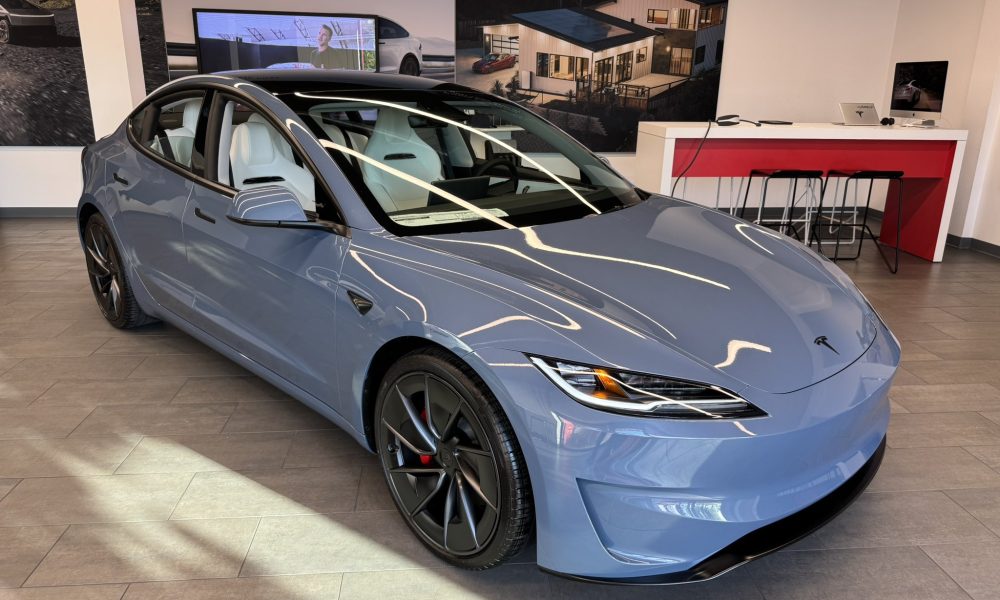
In a strategic move to bolster demand in its most competitive market, Tesla has quietly reintroduced a significant financial incentive for Chinese consumers. The company is now offering an insurance subsidy on the rear-wheel-drive Model 3, effectively reducing the entry price for new buyers. This decision comes as the electric vehicle (EV) landscape in China intensifies, with domestic brands launching aggressive price wars and feature-rich models. For Tesla, this subsidy is not merely a promotion; it's a calculated tactic to maintain volume and market relevance without an official price cut.
A Strategic Pivot in a Saturated Market
The reintroduction of this subsidy is a direct response to mounting pressure in the world's largest EV market. While Tesla has avoided sweeping price reductions in recent months, it has deployed a series of targeted incentives, including low-interest loans and enhanced Autopilot trials. The Model 3 insurance subsidy is the latest lever pulled, designed to lower the total cost of ownership at the point of sale. This approach allows Tesla to stimulate demand for its oldest current model while protecting the brand's premium pricing structure and the residual values of existing vehicles. Analysts see this as a nuanced balancing act between stimulating demand and preserving margin.
Decoding the Incentive's Immediate Impact
For a potential buyer, the subsidy translates to tangible savings, covering a substantial portion of the mandatory first-year insurance premium. In practical terms, this can mean savings of approximately 8,000 yuan ($1,100 USD), making the Model 3 a more compelling proposition against rivals like the BYD Seal, Xpeng P7, and the upcoming Xiaomi SU7. The offer is strategically limited, applying only to inventory models or specific configurations, which helps Tesla clear existing stock in anticipation of potential updates or shifts in production strategy. It's a clear signal that Tesla is willing to engage in the incentive-driven sales environment that defines China's auto market, but on its own carefully defined terms.
The context for this move extends beyond simple competition. China's EV adoption curve is maturing, with growth rates normalizing after years of explosive expansion. Furthermore, consumer sentiment has been cautious amid broader economic headwinds. Tesla's localized strategy, managed by its capable Shanghai Gigafactory team, demonstrates a agile response to these quarterly sales pressures. The company is leveraging its industry-leading profitability to fund these tactical promotions, a advantage many cash-strapped startups cannot match.
For Tesla owners and investors, the implications are multifaceted. Current Model 3 owners may see a minor, short-term impact on resale value due to the effective price reduction, but the company's focus on incentives over permanent price cuts helps stabilize the overall market value. Investors should view this as a rational, market-specific volume defense strategy rather than a sign of fundamental weakness. It underscores the importance of China's market to Tesla's global delivery targets and the intense execution required to succeed there. The key metric to watch will be delivery numbers out of Shanghai in the coming quarter, which will reveal the true efficacy of this insurance subsidy and whether more aggressive measures will be needed to stay ahead.