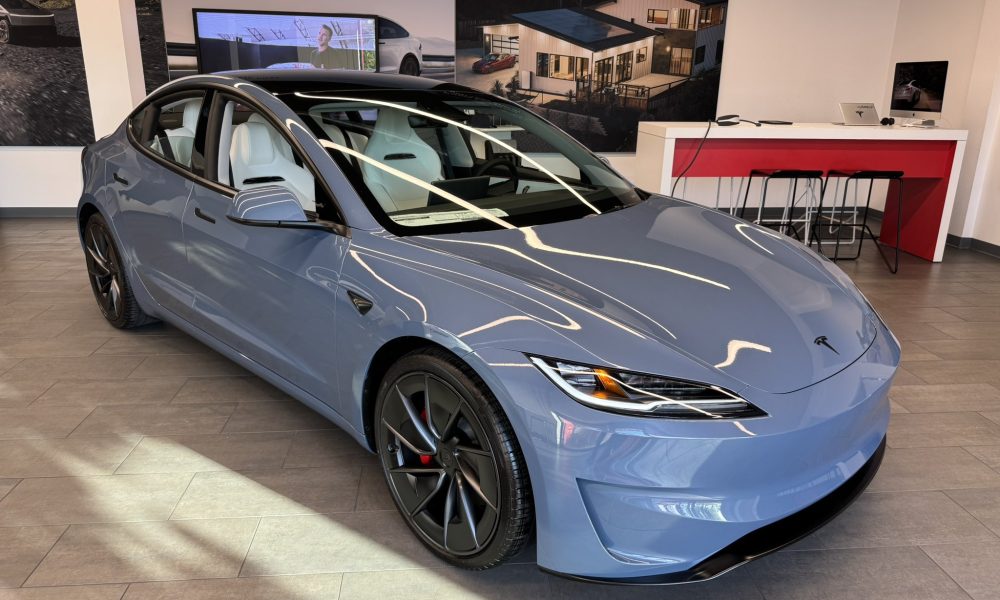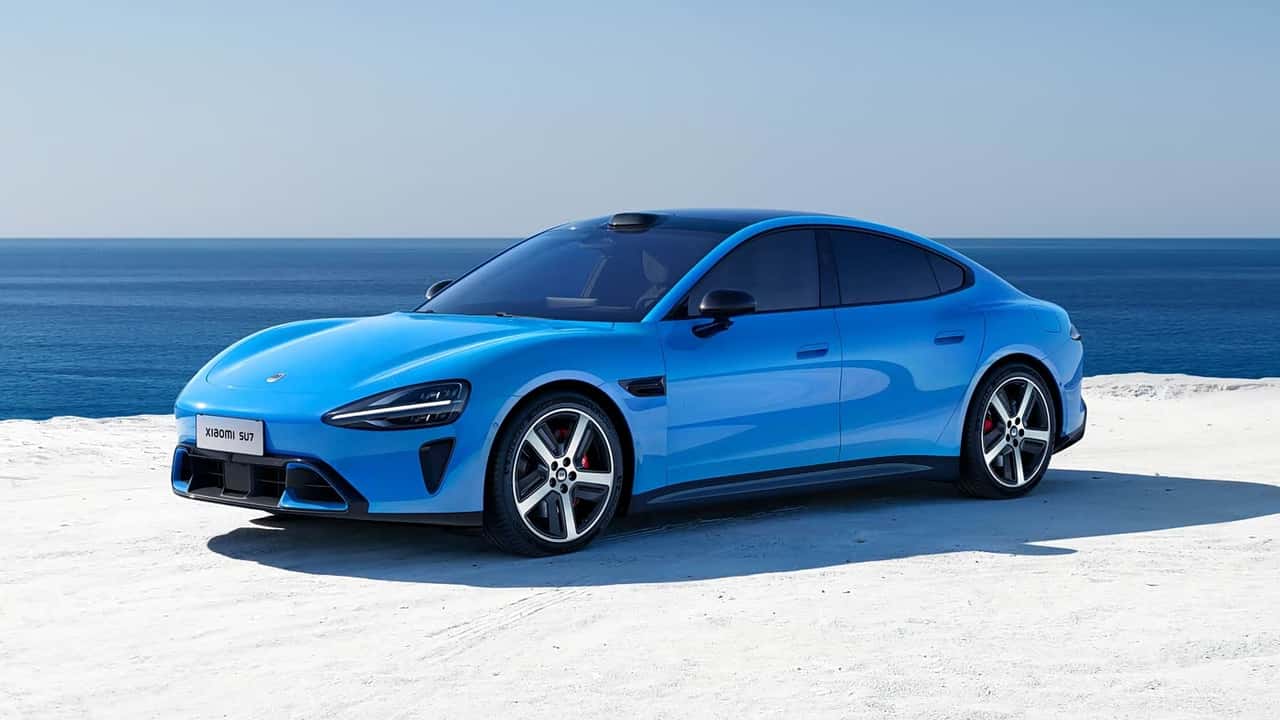
The competitive landscape of the world's largest electric vehicle market has just witnessed a seismic shift. For the first time since its introduction in China, the Tesla Model 3 has been dethroned from its monthly sales leadership in the premium electric sedan segment. The usurper is not a legacy automaker, but a tech giant's first-ever car: the Xiaomi SU7. This event marks the end of a five-year reign for Tesla's most accessible model, signaling a new and intensely competitive phase in China's EV revolution where software and ecosystem integration are becoming as critical as the hardware itself.
A Tech Giant's Disruptive Entrance
Xiaomi, a behemoth in consumer electronics, entered the automotive arena with a strategy that leveraged its core strengths: aggressive pricing, sleek design, and deep integration with its existing ecosystem of smart devices. The Xiaomi SU7 was launched with a starting price significantly undercutting the base Model 3, a masterstroke in a price-sensitive market. More than just an electric car, Xiaomi marketed the SU7 as a "smart mobile space," seamlessly connecting with a user's phones, laptops, and home appliances. This approach has resonated powerfully with a tech-savvy generation, proving that in today's market, a successful EV must be a compelling digital product first and a vehicle second.
Analysis: Beyond the Monthly Sales Figure
While this single-month sales victory is symbolically powerful, it requires nuanced analysis. Tesla's sales in China are historically lumpy, often peaking in the final month of a quarter due to its global delivery wave structure. Xiaomi's surge also benefits from immense pent-up demand and the initial delivery rush of a compelling new product. However, the underlying trend is undeniable: Chinese consumers now have a plethora of sophisticated, high-tech alternatives. Competitors like BYD, Nio, and now Xiaomi have closed the gap in areas like battery technology, performance, and interior quality, while often surpassing Tesla on features tailored to local preferences, such as more advanced driver-assistance systems calibrated for Chinese roads and superior in-car entertainment suites.
The implications for Tesla are immediate and profound. The China market is not just a major revenue stream; it is a global innovation and production hub. To maintain its leadership, Tesla can no longer rely solely on the cachet of its brand or its pioneering technology. The company must accelerate localized development, particularly in software and infotainment, and re-evaluate its pricing and feature strategy in the face of relentless competition. The upcoming launch of the more affordable "Model 2" or next-generation platform vehicle is now more critical than ever to compete in the volume segments where Chinese automakers excel.
For Tesla owners and investors, this development is a double-edged sword. It confirms that the EV adoption wave Tesla ignited is now a tsunami, creating a vast and growing market. However, it also underscores that Tesla's first-mover advantage has eroded. Investors must watch for Tesla's strategic response: its ability to innovate on cost, refresh its aging models like the Model 3 and Model Y more substantially, and leverage its full self-driving and AI ambitions to create a new competitive moat. For owners in China and globally, this intense competition promises faster innovation, more features, and potentially more attractive pricing, but it may also impact Tesla's resale value and market perception as the undisputed premium EV leader.