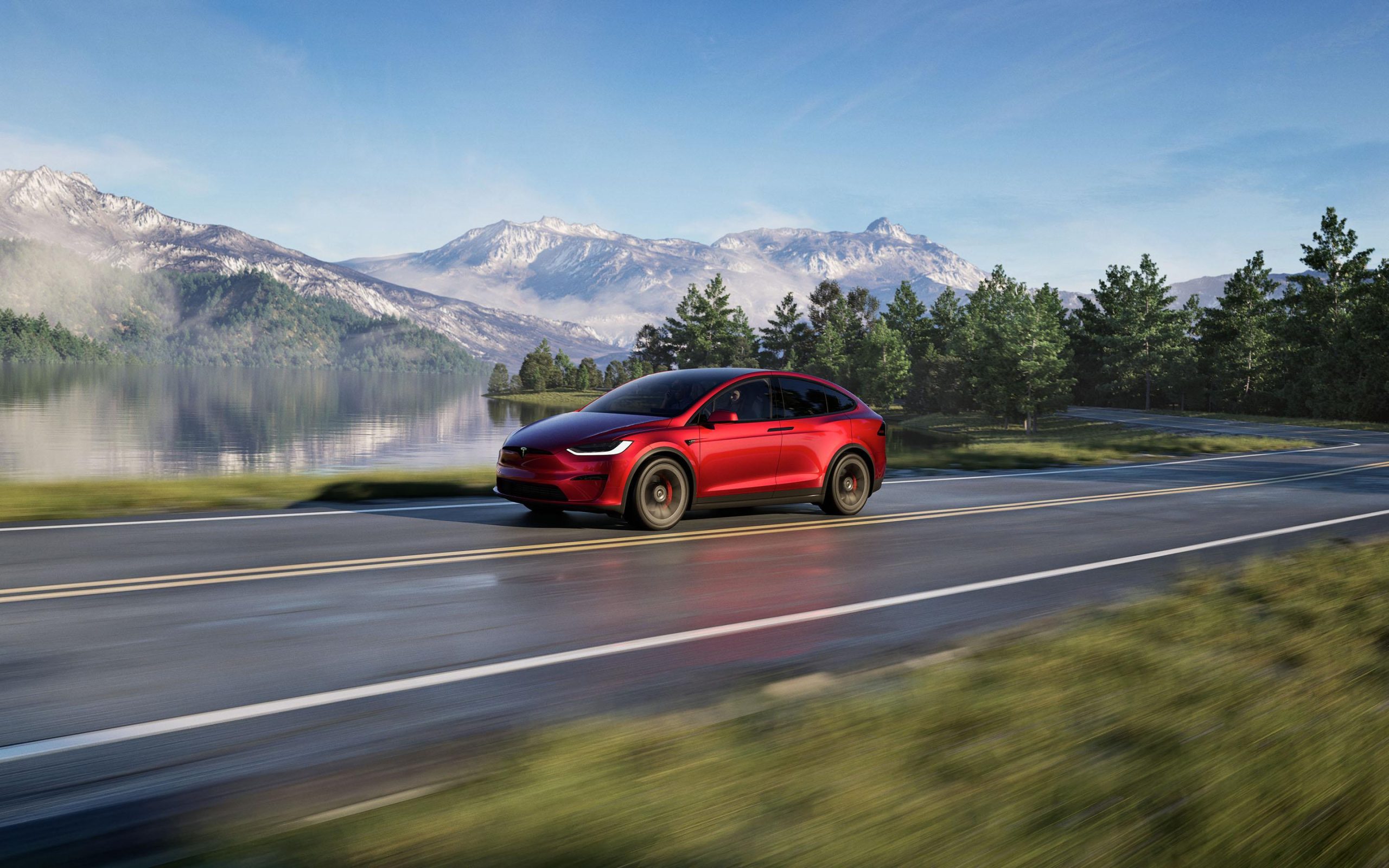
In a landmark moment for autonomous driving, a Tesla Model S equipped with the latest Full Self-Driving (FSD) software has successfully completed the legendary Cannonball Run—a grueling, non-competitive coast-to-coast drive—without a single human intervention. This unprecedented feat, covering approximately 3,000 miles from New York to Los Angeles, represents the first known time Tesla's system has navigated the entire iconic route end-to-end solely under computer control, marking a potential inflection point in the viability of Level 2+ driver-assistance technology.
The Unseen Journey: Data Over Drama
Unlike the high-speed theatrics of the Cannonball's folklore, this run prioritized the silent collection of data over setting a record time. The modified Tesla Model S, piloted by a team of engineers and safety drivers who monitored the system without touching the controls, adhered to all traffic laws. The vehicle's FSD Beta (v12) software managed every aspect of the drive: complex urban grids, endless interstate merges, unpredictable construction zones, and varying weather conditions. This "zero intervention" metric is the holy grail for autonomous vehicle developers, proving the system's ability to handle the staggering diversity of the American roadway network without requiring a human to take over.
Beyond the Highway: A Software Milestone
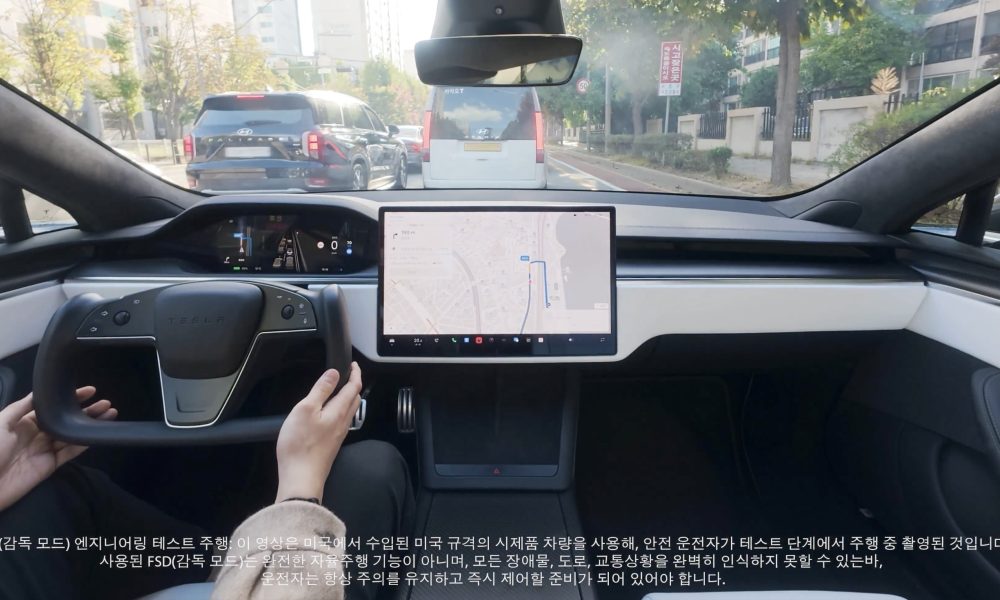
The significance of this achievement lies in its demonstration of end-to-end neural network maturity. Previous versions of FSD relied heavily on coded rules and mapping data, but the current architecture uses a vision-based system that interprets the road in real-time, much like a human. Successfully navigating the Cannonball route—a test encompassing everything from Manhattan's chaos to Arizona's open deserts—suggests the AI's decision-making has reached a new level of robustness and generalization. It wasn't merely staying in a lane; it was executing thousands of safe, contextual judgments on unfamiliar roads over four days of continuous operation.
However, experts are quick to contextualize this as a controlled demonstration, not a declaration that the technology is ready for unsupervised public use. The presence of attentive safety drivers was crucial, and the route was likely extensively pre-mapped and analyzed. The real-world environment for the average EV owner includes edge cases and adversarial conditions that a single run cannot fully validate. Tesla's approach, using a shadow fleet of customer cars to gather billions of miles of data, means this Cannonball success is both a spectacular proof-of-concept and a single data point in a much larger validation curve.
For Tesla owners and investors, this successful run is a powerful signal of the underlying technology's accelerating capability. It strengthens the investment thesis around Tesla's AI and robotics potential, which many analysts believe represents the company's true long-term value. For owners, each incremental leap in performance demonstrated in such extreme tests typically trickles down to improved reliability and confidence in daily FSD use. While regulatory approval for true autonomy remains a distant horizon, milestones like this substantiate Tesla's claim that it is building the most advanced real-world AI for vehicle navigation—a key differentiator in the increasingly crowded electric vehicle market.