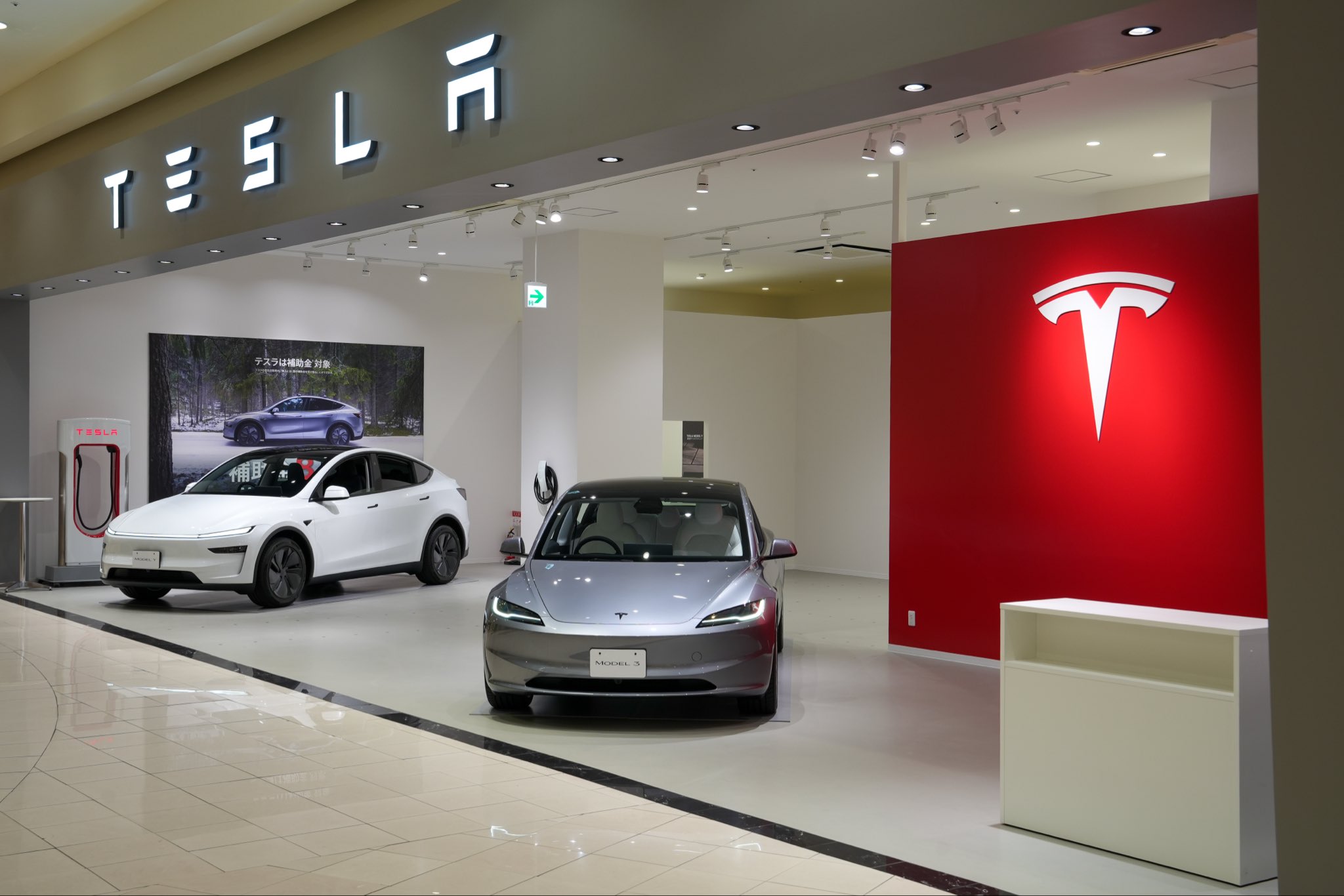
For years, Tesla's marketing playbook was famously simple: don't. The company's $0 traditional advertising budget was a point of pride, a testament to its belief that product, word-of-mouth, and CEO Elon Musk's personal platform were sufficient. That era of purist abstinence is officially over. Tesla is now strategically and significantly ramping up its paid advertising efforts, with a sharp focus on social media platforms like YouTube and X (formerly Twitter), marking a pivotal shift in how it connects with potential customers.
A Strategic Pivot from Purism to Precision
This shift is not a reaction to waning demand but a calculated expansion of reach. The move began tentatively in 2023 after shareholder pressure, but has since evolved into a sophisticated campaign strategy. Tesla is no longer just promoting its brand in broad strokes; it is deploying highly targeted ads for specific models and features. For instance, prospective buyers searching for SUVs might see polished spots for the Model Y, highlighting its safety ratings and storage space, while performance enthusiasts are served dynamic clips of the Model S Plaid accelerating. This precision allows Tesla to educate distinct audience segments on the unique value propositions of its increasingly diverse lineup, something organic social posts alone could not achieve at scale.
Leveraging the EV Education Gap
A core objective of this new advertising blitz is to dismantle persistent myths about electric vehicle ownership. Many ads directly address common consumer concerns, such as charging infrastructure, range anxiety, and total cost of ownership. By using the compelling visual and narrative tools of social video, Tesla can effectively demonstrate Supercharger network reliability, explain home charging convenience, and break down long-term savings on fuel and maintenance. This educational approach is crucial for converting curious onlookers in the early stages of their EV research, a group that traditional Tesla evangelism might not have reached.
The implications of this strategic shift are profound for both Tesla owners and investors. For owners, a more widely recognized and understood brand can enhance resale value and accelerate the expansion of services like the Supercharger network as new customers join the ecosystem. For investors, the move signals a maturation of Tesla's go-to-market strategy as it transitions from a niche disruptor to a mainstream automotive leader facing intensified competition. The advertising spend, while still frugal compared to legacy automakers, represents a smart investment in broadening the top of the sales funnel. If executed effectively, this foray into paid media could be the catalyst that sustains growth during a critical phase of global EV adoption, proving that even the most iconic brands must adapt their playbooks to win new audiences.