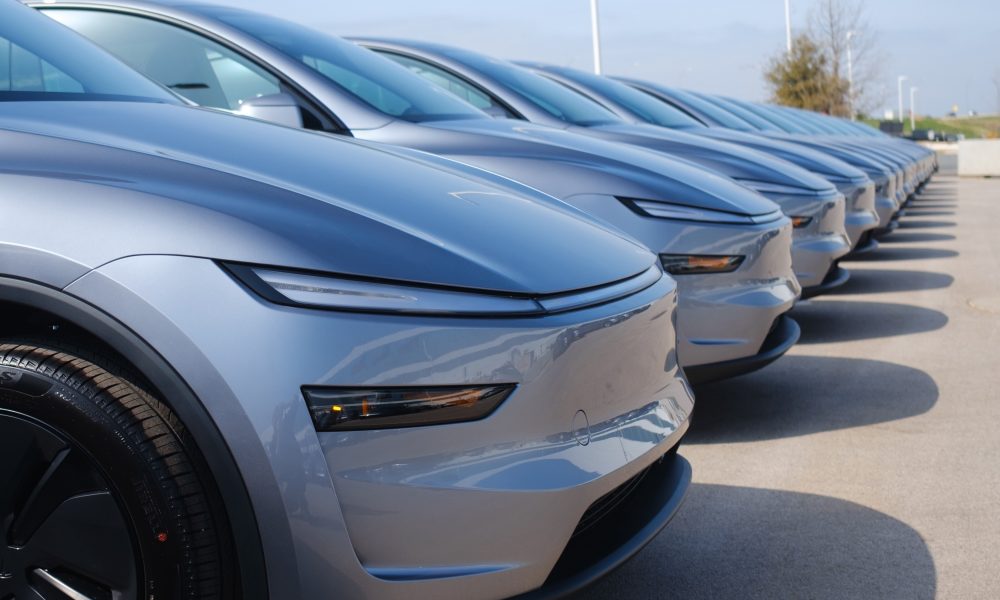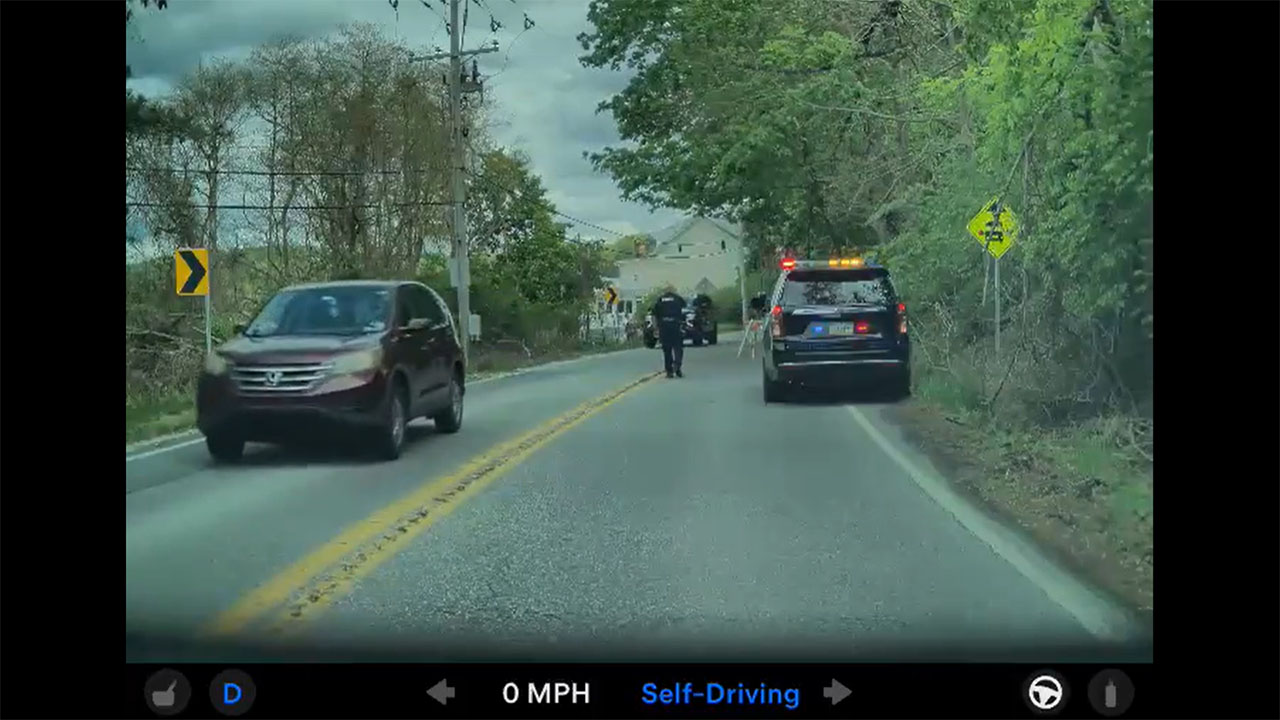
In a move that signals a significant acceleration of its autonomous ambitions, Tesla has begun hiring specialized manufacturing personnel for its long-awaited robotaxi platform. The company is now listing positions for Body Fit Technicians explicitly assigned to the "Cybercab" program, providing the clearest evidence yet that the vehicle is transitioning from prototype to production reality.
Precision at the "End of the Line"
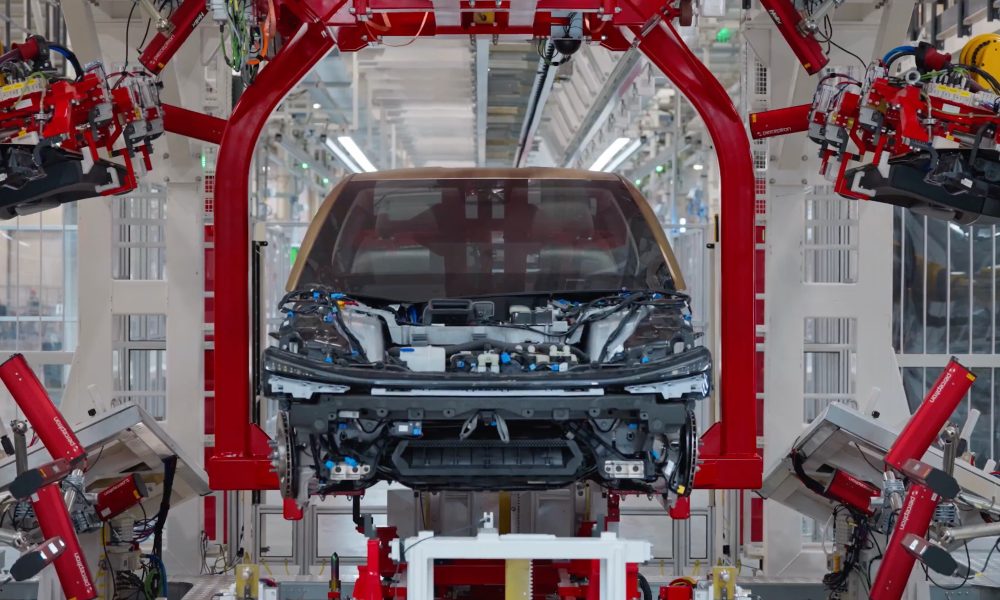
The job postings, sourced directly from Tesla's official Careers website, call for technicians to perform precision body fitment work at the "end of line" for the Cybercab. This critical final assembly stage involves meticulous alignment, gap, and flush adjustments to ensure the vehicle's body panels meet exacting quality standards. For a purpose-built autonomous electric vehicle designed for a high-utilization ride-hailing service, such precision is not merely cosmetic; it is essential for durability, aerodynamic efficiency, and overall vehicle integrity over a demanding lifecycle.
From "Master Plan" to Manufacturing Floor
The recruitment drive offers tangible proof points for Tesla's strategic timeline. CEO Elon Musk has promised a dedicated robotaxi reveal on August 8, 2024, and these hires indicate that manufacturing processes are being stood up in parallel. The specificity of the role—targeting a single, un-released model—contrasts with general production hires and suggests Tesla is establishing a dedicated assembly line or zone for the Cybercab. This operational shift underscores the vehicle's unique design, which is expected to forego traditional driver controls and prioritize passenger experience and fleet logistics.
For Tesla investors, the initiation of specialized hiring is a bullish indicator of execution momentum. It moves the Cybercab from a conceptual pillar of the company's future valuation—often centered on its Full Self-Driving (FSD) software—into the realm of hardware production. The move also implies confidence in the underlying regulatory and operational pathway for the service. However, it raises immediate questions about production volume targets, manufacturing location, and how quickly Tesla can scale this novel EV platform to achieve meaningful revenue from its robotaxi network.
For owners and enthusiasts, this development is a preview of Tesla's evolving identity. The company is methodically building the infrastructure not just for selling cars, but for selling mobility as a service. The precision-focused nature of these new roles also hints at a renewed emphasis on build quality for this flagship new product. As the August 8th unveil approaches, every new hire and facility update will be scrutinized for clues about how soon a functional Cybercab fleet might become a fixture on city streets.