After years of anticipation, Tesla's most advanced software suite is making a decisive push across the Atlantic. The company is aggressively expanding Full Self-Driving (FSD) demonstrations and initiating targeted regional launches in key European markets, signaling a strategic pivot to reignite growth and assert technological dominance in a fiercely competitive electric vehicle landscape.
From Controlled Demos to Wider Public Engagement
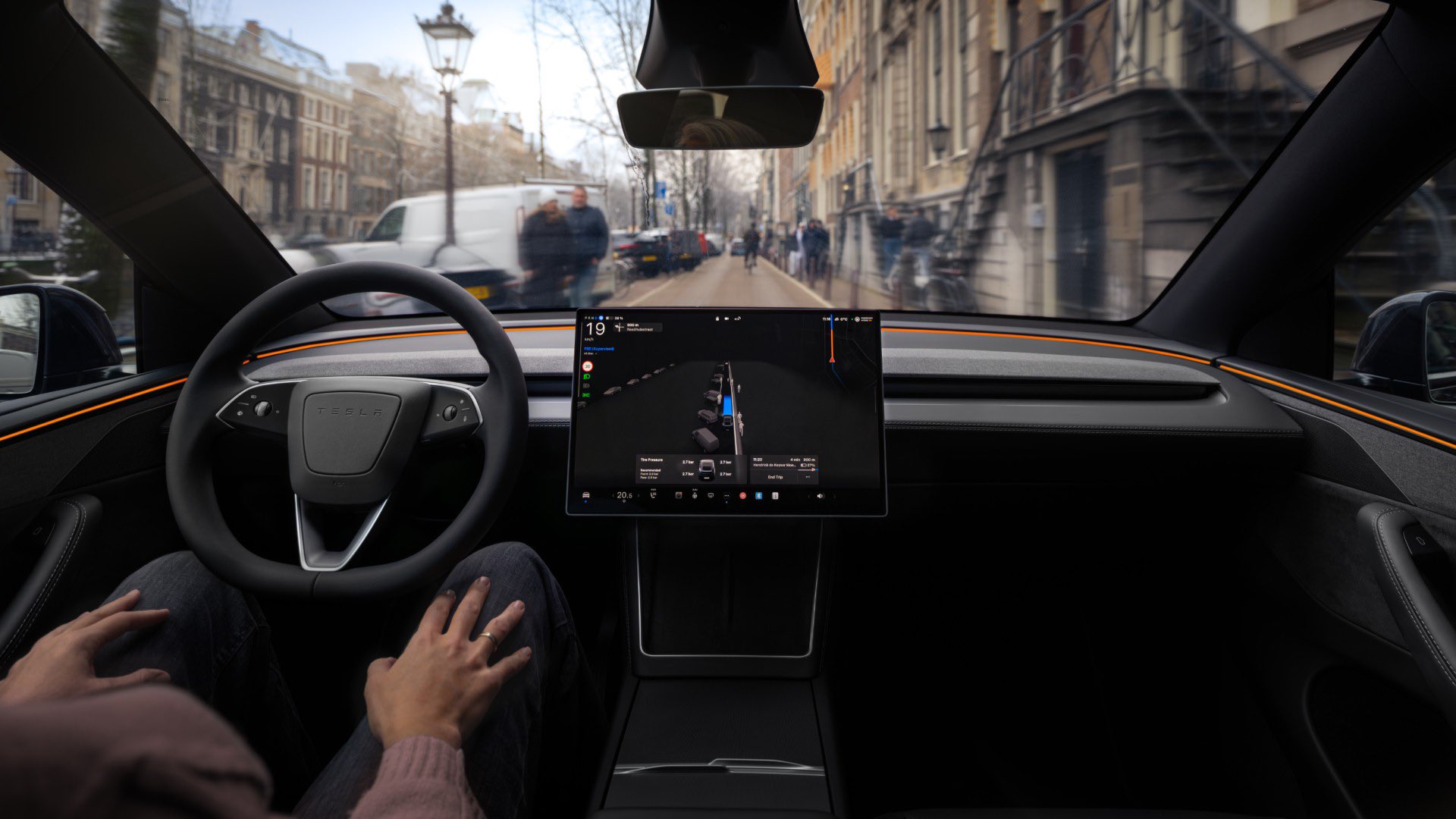
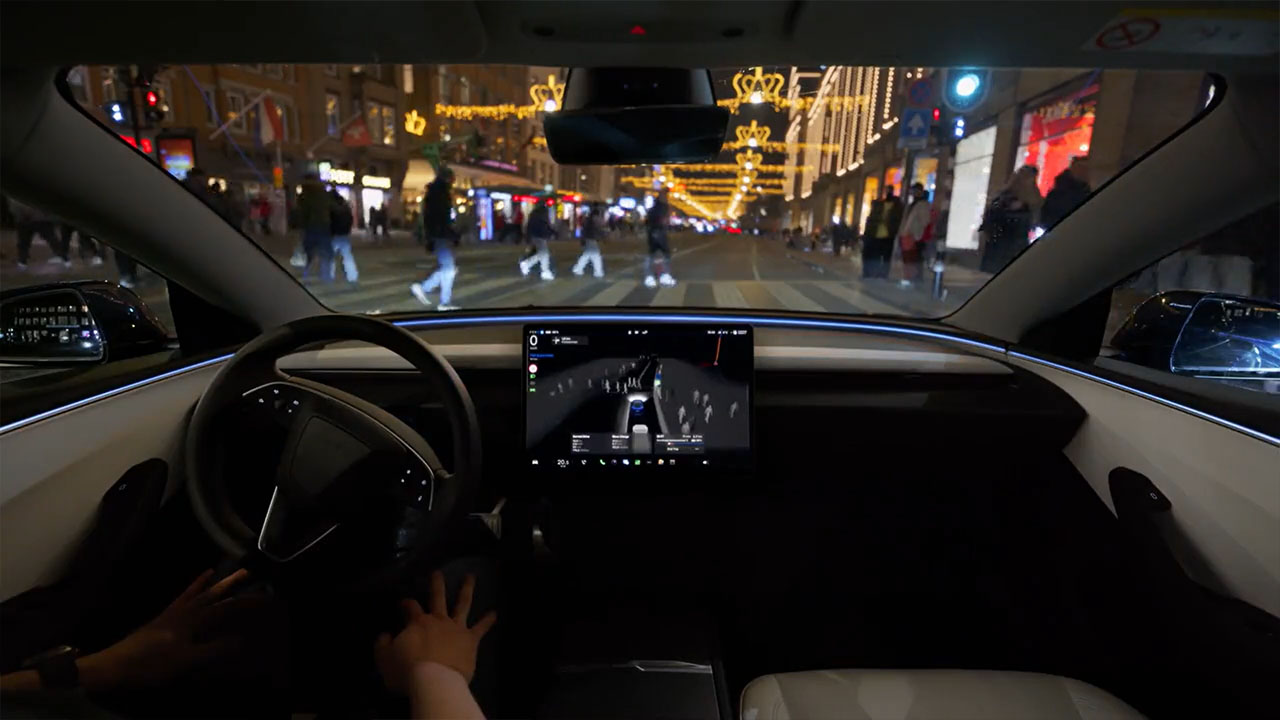
Tesla's approach in Europe has evolved from limited, invitation-only previews to a more public-facing campaign. Potential buyers in select countries are now being offered test drives featuring the latest FSD Beta software, providing a hands-on experience of the system's capabilities on European roads. This direct engagement is a powerful sales tool, moving beyond theoretical promises to tangible demonstrations of automated lane changes, urban navigation, and responsive driving behavior. The shift indicates Tesla's growing confidence in the system's performance within the region's complex and varied driving environments.
A Strategic Counter to Market Pressure and Regulatory Hurdles
This accelerated rollout is not happening in a vacuum. Tesla faces mounting pressure from a wave of compelling Chinese and European EV manufacturers, along with a recent dip in global deliveries. By showcasing FSD—a feature that remains years ahead of most competitors' driver-assist systems—Tesla aims to reassert its innovation leadership and justify a premium brand position. Furthermore, the regional launches suggest proactive work with local authorities to navigate strict EU regulations governing automated driving systems, turning a former barrier into a potential advantage as approvals are secured.
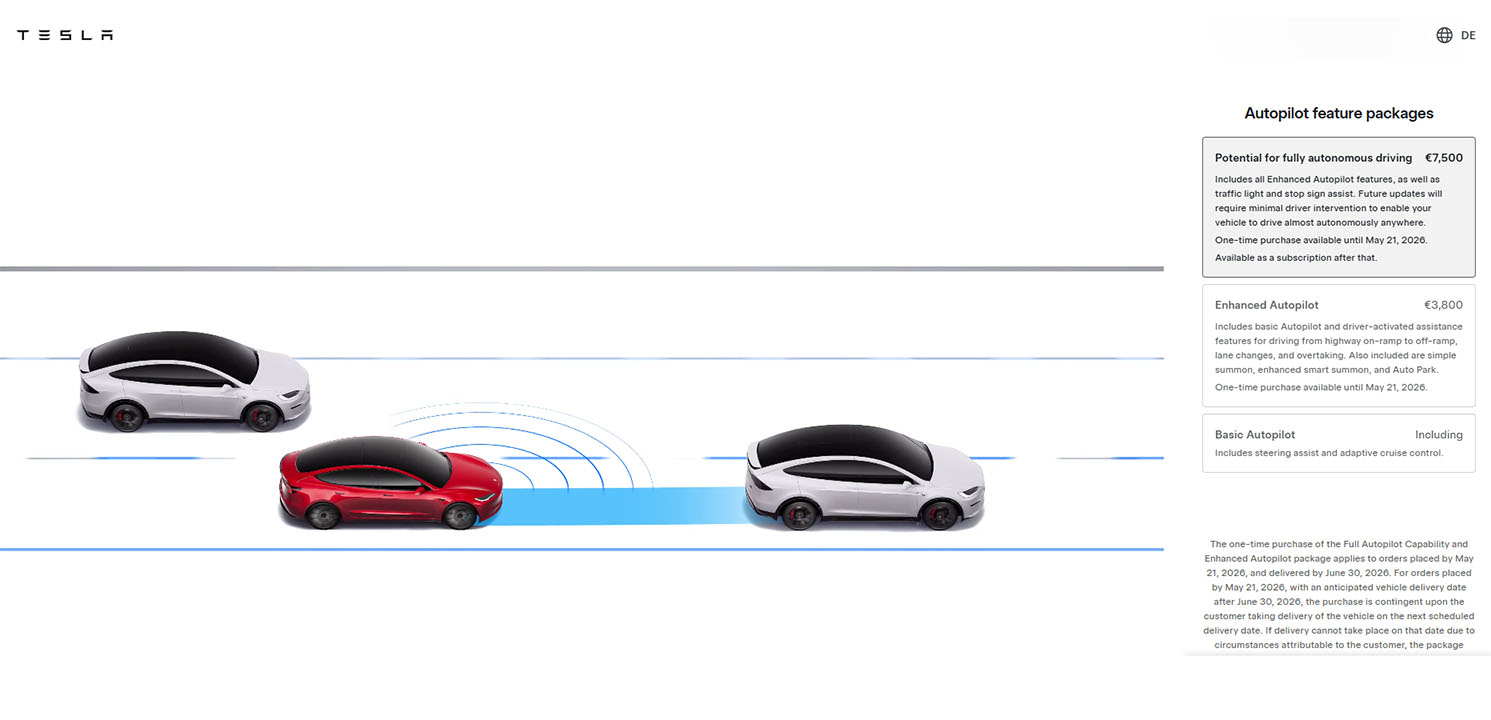
The implications of a successful European FSD campaign are profound. For Tesla, it opens a significant new revenue stream through software subscriptions and one-time purchases, boosting profitability beyond car sales alone. It also transforms the vehicle into a continuously updated product, enhancing customer retention. For owners, access to FSD fundamentally alters the ownership experience, offering a glimpse into a future of increased convenience and, potentially, safety. However, the value proposition hinges entirely on regulatory approval for higher levels of automation.
For investors, Europe's FSD momentum is a critical storyline for 2024 and beyond. Successful adoption could stabilize and increase Tesla's margin profile while validating its long-term software-centric business model. Conversely, any significant regulatory delays or performance issues in European cities could dampen enthusiasm. The company's ability to execute this complex technical and regulatory rollout will be a key indicator of its capacity to maintain a competitive moat and achieve its ambitious growth targets in a cornerstone global market.