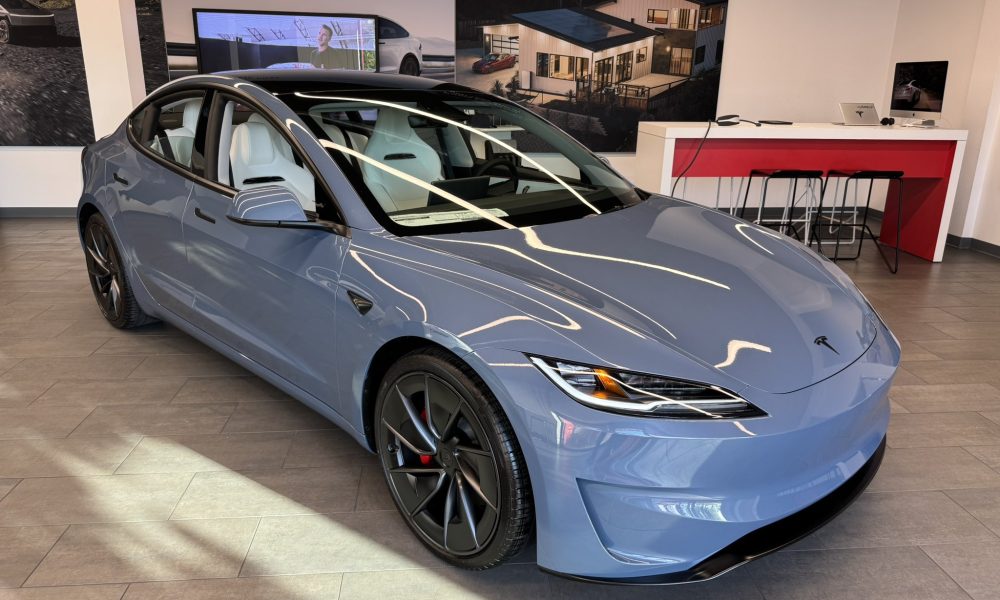
In a move that fundamentally reshapes the value proposition of its most popular vehicles, Tesla has abruptly removed its foundational Basic Autopilot driver-assistance suite as a standard feature on new orders. Effective immediately for North American customers, the change means the once-standard Traffic-Aware Cruise Control and Autosteer—core features that defined the modern Tesla driving experience—are now paywalled behind the company's premium Full Self-Driving (Supervised) package, available for a $99 per month subscription or a substantial upfront purchase.
A Strategic Pivot or a Revenue Play?
This decision marks the end of an era where advanced lane-keeping and adaptive cruise control were bundled with every new Tesla, a key differentiator in the EV market. The shift is widely interpreted as a direct strategy to boost software revenue and increase the attach rate of its FSD product. By making what many consider a basic safety and convenience feature part of a paid upgrade, Tesla is betting that its customer base values the Autopilot functionality enough to pay a recurring fee. This comes at a time when the company is facing significant demand challenges and increased competition, putting pressure on its industry-leading profit margins. The move effectively turns a once-standard equipment cost into a high-margin, recurring revenue stream.
Consumer Backlash and Market Context
The immediate reaction from prospective buyers and industry analysts has been sharply critical. Many argue that features like automatic emergency braking and blind-spot monitoring remain standard on far cheaper vehicles, making the paywalling of core highway assist functions feel like a regression. This strategic unbundling occurs as the broader electric vehicle market reaches an inflection point, with rivals offering increasingly sophisticated driver-assist systems—often as standard or in more affordable packages. Tesla's gamble is that its integrated system, data advantage, and the eventual promise of full autonomy will justify the new cost structure in the eyes of consumers, even if the initial perception is negative.
For Tesla, the calculus is clear: accelerate the monetization of its software ecosystem. The company has invested billions into its Full Self-Driving development, and with growth in vehicle deliveries slowing, unlocking value from its existing fleet and new customers through software is a logical, if aggressive, next step. However, this strategy carries reputational risk. It reframes the Tesla ownership experience from one of inclusive, cutting-edge tech to a more transactional model where key functionalities are perpetually rented, potentially altering the brand's premium perception.
For current Tesla owners and investors, the implications are significant. Existing vehicles with Basic Autopilot included will retain it, potentially increasing their resale value as "feature-complete" models. Investors will watch closely to see if the recurring software revenue can offset any potential demand softness from the perceived decontenting. The success of this pivot hinges entirely on consumer acceptance. If uptake of the FSD subscription surges, it will validate Tesla's software-centric vision. If it stalls, the company may have weakened a key selling point of its volume-leading Model 3 and Model Y without a sufficient financial upside, a risky trade-off in an increasingly fierce market.