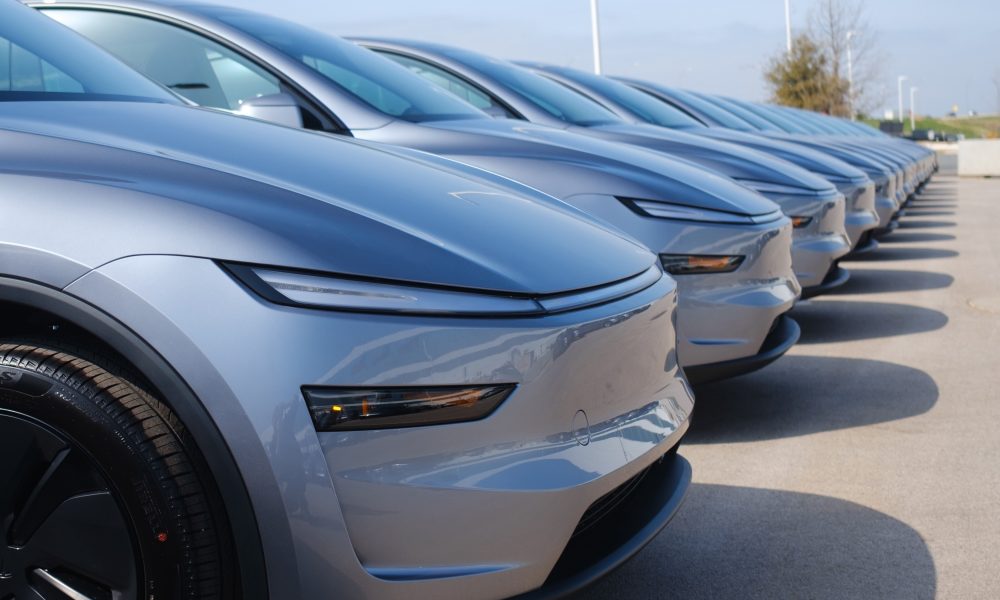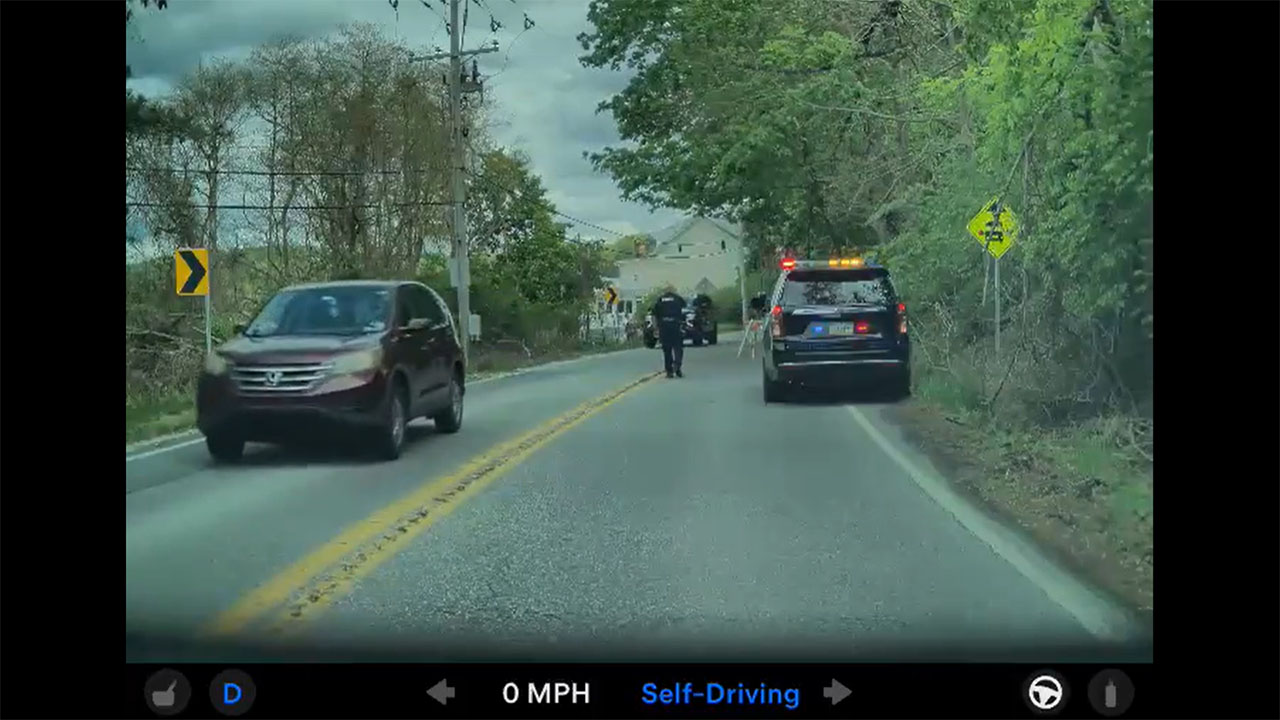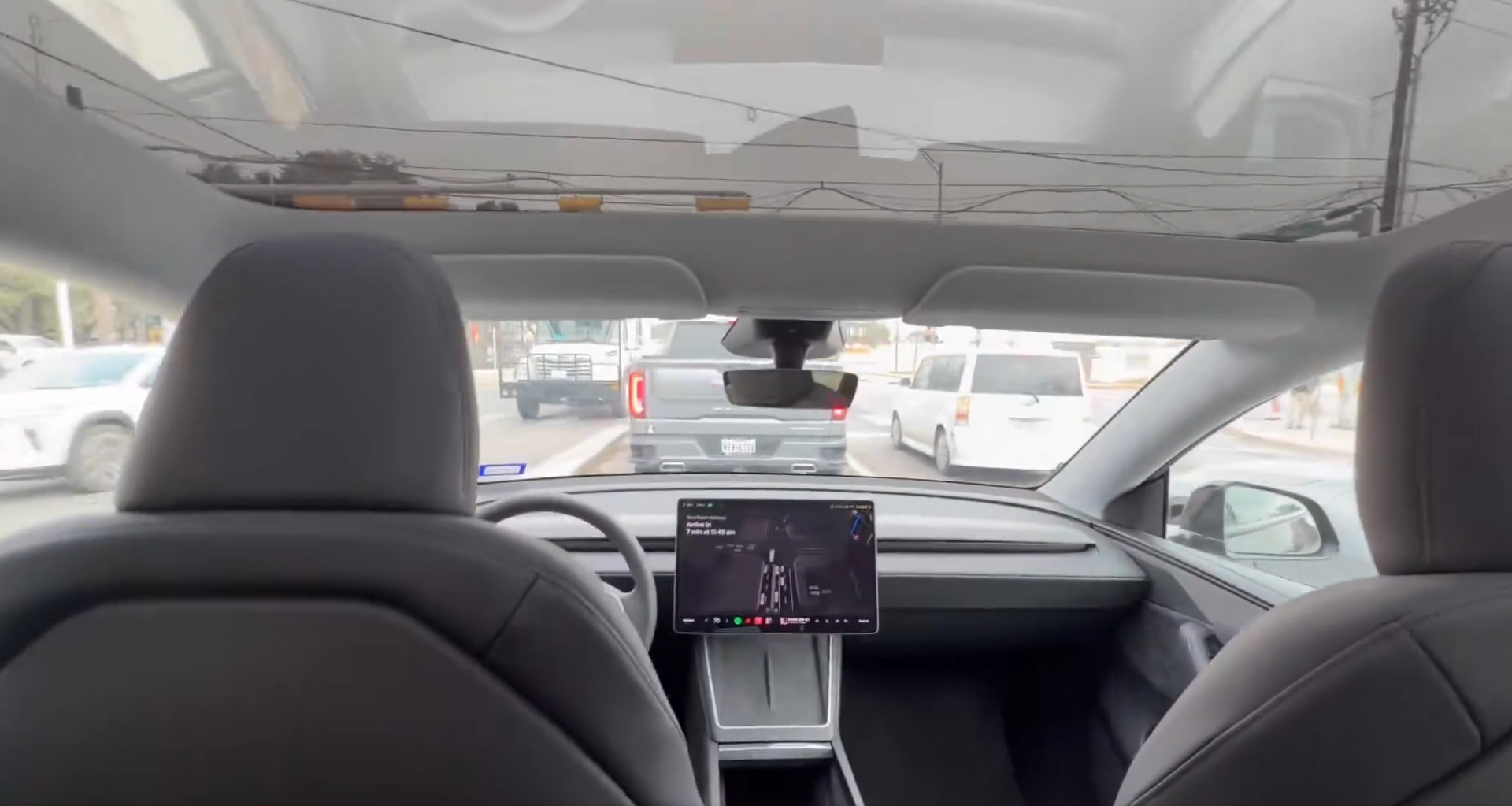
In a move that signals a pivotal leap from testing to tangible service, Tesla has quietly initiated its first truly unsupervised public robotaxi rides in Austin, Texas. The defining moment came not with a press release or a CEO keynote, but with the removal of the human safety operator from the driver's seat, unleashing its autonomous vehicles onto public roads with paying passengers and no one behind the wheel. This stealthy transition marks the most significant validation to date of Tesla's long-promised vision for a self-driving future.
The Silent Milestone: From Monitored to Autonomous
Tesla's journey to this point has been methodical, involving months of incremental testing with employees and select members of the public under close supervision. The shift to unsupervised operation is the critical threshold that separates a advanced driver-assist demo from a genuine commercial robotaxi service. According to reports, the company did not formally announce this launch; instead, the milestone was observed as vehicles began operating without the previously mandatory in-vehicle safety monitor. This under-the-radar approach suggests Tesla is prioritizing real-world data collection and system refinement over fanfare, treating Austin as a live proving ground for its Full Self-Driving (FSD) technology stack.
Austin as the Crucible for Tesla's Robotaxi Ambitions
The choice of Austin is strategic. As home to Tesla's newest Gigafactory and a growing tech hub, the city provides a complex but manageable urban environment. The success of these early unsupervised rides will be scrutinized for performance metrics like safety interventions, passenger comfort, and network efficiency. Every ride contributes invaluable data, teaching Tesla's neural networks how to handle the "long tail" of rare driving scenarios. This operational data is the true currency, potentially accelerating the development timeline for a wider rollout and proving the viability of the business model Elon Musk has touted as the cornerstone of Tesla's future valuation.
For the EV industry at large, Tesla's move applies immense competitive pressure. It transitions the robotaxi conversation from a "when" to a "now" for at least one major player, forcing rivals to publicly reassess their own timelines. Regulatory bodies, particularly the National Highway Traffic Safety Administration (NHTSA), will be watching this Austin experiment closely, as its findings will inevitably shape the framework for broader autonomous vehicle regulations across the United States.
For Tesla owners and investors, the implications are profound. A successful robotaxi service validates the company's controversial, years-long bet on a vision-based Full Self-Driving system. It begins to unlock the potential for owners to add their vehicles to the "Tesla Network," creating a potential revenue stream that could fundamentally alter car ownership economics. Investors will monitor uptake, safety records, and scalability, as this service represents a direct path to the high-margin, recurring software revenue that the market has been anticipating. However, the stakes are equally high; any significant safety incident or systemic failure in Austin could severely damage public trust and regulatory goodwill, impacting not just the robotaxi project but consumer confidence in Tesla's entire Autopilot suite.