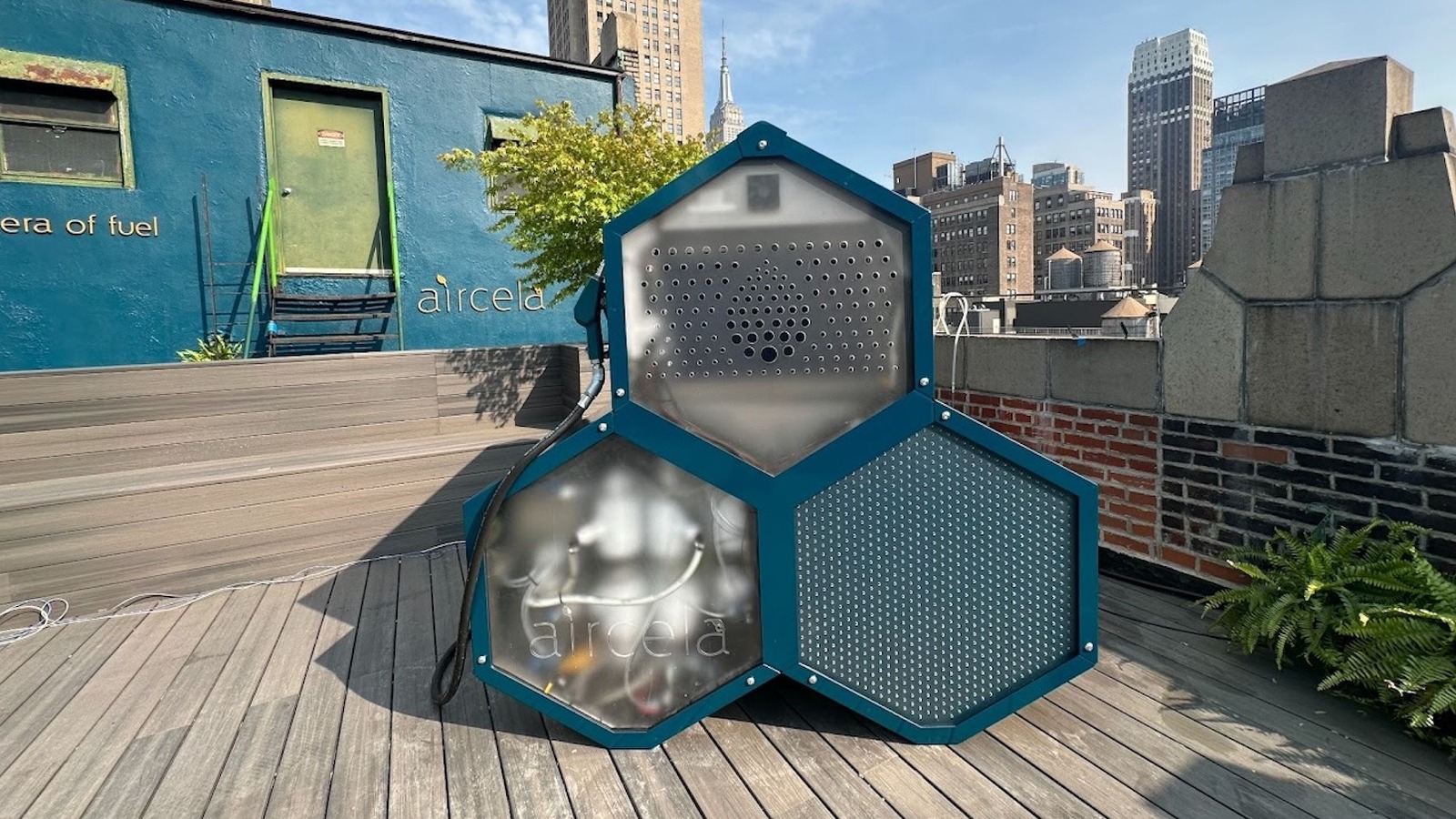
In a development that reads like science fiction, a New York-based startup claims to have engineered a machine capable of synthesizing gasoline directly from atmospheric carbon dioxide. Aircela's refrigerator-sized unit promises a radical, on-site alternative to fossil fuel extraction, sparking intense debate about its viability and potential to disrupt the energy landscape. While the promise of turning air into fuel is undeniably alluring, experts are quick to temper expectations, noting the significant energy inputs required and the technology's nascent stage.
The Science of Synthetic Fuel: A Carbon Loop, Not a Free Lunch
Aircela's process, known as direct air capture (DAC) and electrochemical synthesis, is a multi-step endeavor. First, the unit pulls in ambient air, using a specialized sorbent to isolate CO2. That captured carbon is then combined with hydrogen—split from water via electrolysis—in a reactor to form hydrocarbon chains. The output is a synthetic gasoline functionally identical to its petroleum-derived counterpart, designed to work in existing internal combustion engines. Crucially, this creates a closed carbon cycle: burning the fuel releases CO2 that was just captured from the air, unlike burning fossil fuels which adds new carbon to the atmosphere.
Practical Hurdles and Niche Applications
The central challenge, as with many power-to-liquid technologies, is profound energy consumption. The electrolysis and chemical conversion processes are electricity-intensive. For the cycle to be truly carbon-neutral, every watt must come from renewable sources like solar or wind. In its current state, Aircela is targeting small-scale, off-grid applications where energy is abundant and traditional fuel logistics are costly or impossible—think remote research stations, agricultural operations, or backup power for critical infrastructure. Here, the premium for liquid energy density and storability could justify the cost, a far cry from displacing the global gasoline supply overnight.
This innovation arrives amidst a global automotive pivot, with giants like Tesla having bet the company on the direct electrification of transport via battery electric vehicles (EVs). Synthetic fuels, or e-fuels, are often championed by legacy industries as a way to preserve combustion engine assets. For the EV purist, technologies like Aircela's may seem a distracting sideshow, a complex and inefficient detour compared to charging a battery directly with clean power. However, the reality of decarbonization is that multiple solutions will be needed for hard-to-electrify sectors like aviation and shipping.
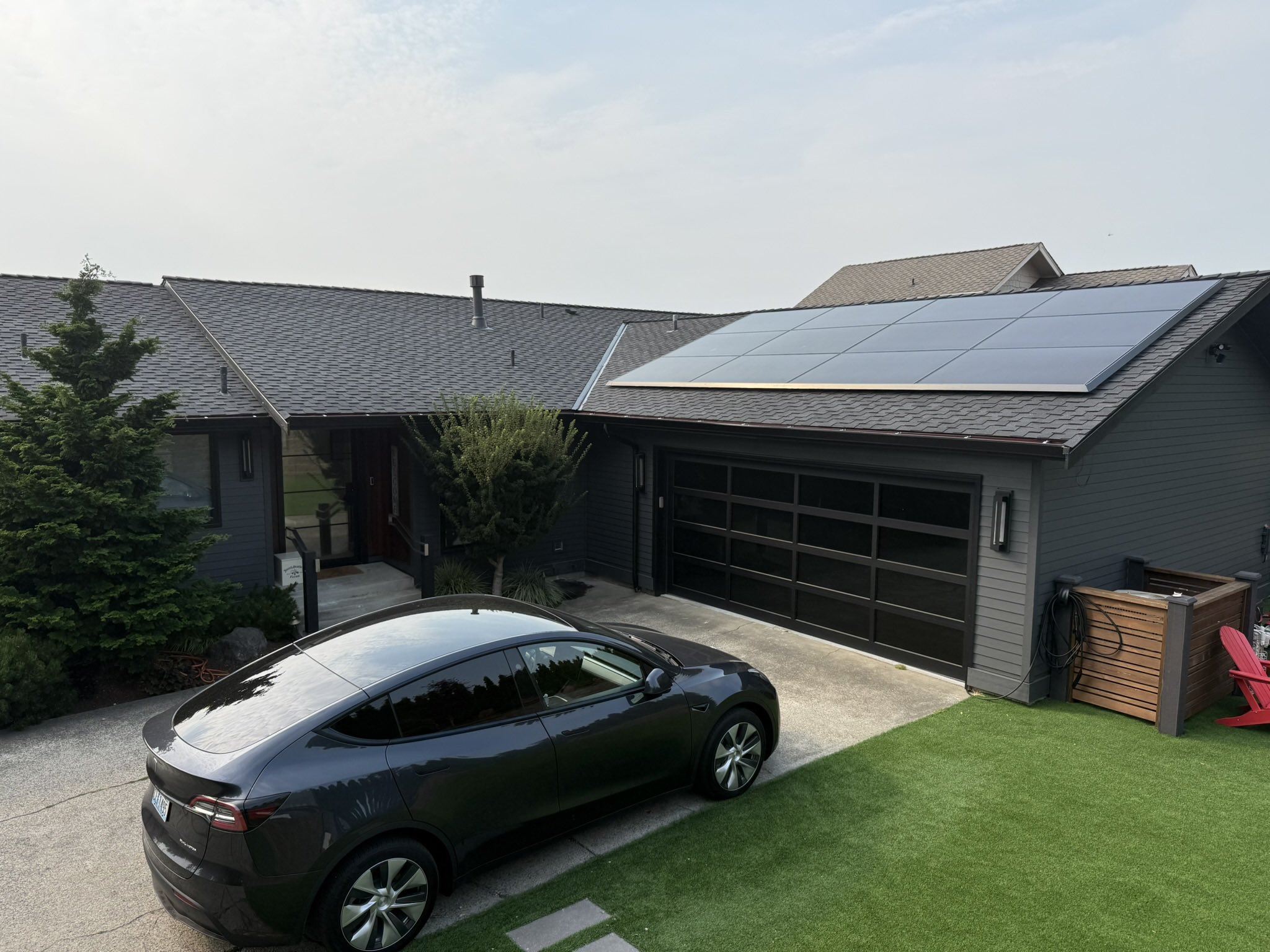
For Tesla and its community, Aircela's machine underscores a broader strategic truth. The ultimate goal is a zero-emissions energy economy, and Tesla's integrated ecosystem—encompassing solar generation, stationary storage, and electric vehicles—is designed to be the most efficient path for light-duty transport. This startup's work, while not a direct competitor, highlights the immense value of low-cost renewable electrons. The cheaper and more ubiquitous clean electricity becomes, the more viable all downstream technologies, from EV charging to synthetic fuel production, will be.
Investors should view this as validation of the renewable energy transition's breadth, not as a threat to Tesla's core business. The immediate future of passenger vehicles remains firmly electric. However, for Tesla owners with power walls and solar roofs, the narrative is empowering: they are already operating their own hyper-efficient, miniature "refinery," converting sunlight directly into miles driven, bypassing the complex chemistry of fuel synthesis altogether. The race isn't just about making fuel from air; it's about mastering the energy system that makes it possible.