In the relentless pursuit of innovation and differentiation, the automotive industry has occasionally birthed features that are more memorable for their audacity than their utility. These are the quirks and concepts that dazzle on the showroom floor but often fade into obscurity in the harsh light of daily ownership. As Tesla continues to push the envelope with features like Boombox and Dog Mode, it's worth looking back at some legendary factory options from other brands that prioritized cool factor over common sense.
The Gimmick That Glitters: When Concept Outpaces Convenience
Some features fail because they solve a problem that doesn't exist, or create new ones in the process. Take the 2005-2010 Citroën C6 and its fixed-center hub steering wheel. While the wheel itself rotated, its central hub—containing the airbag and controls—remained stationary. The intent was to allow for more complex, fixed controls, but in reality, it disoriented drivers and made executing simple maneuvers like a three-point turn feel alien. Similarly, the 2004 Volkswagen Phaeton W12 offered a climate-controlled glovebox, capable of chilling drinks. A marvel of engineering, yes, but one that sacrificed significant storage space for the niche luxury of a cold soda, a problem already solved by the ubiquitous cup holder.
Tech Overload: Complexity as a Culprit
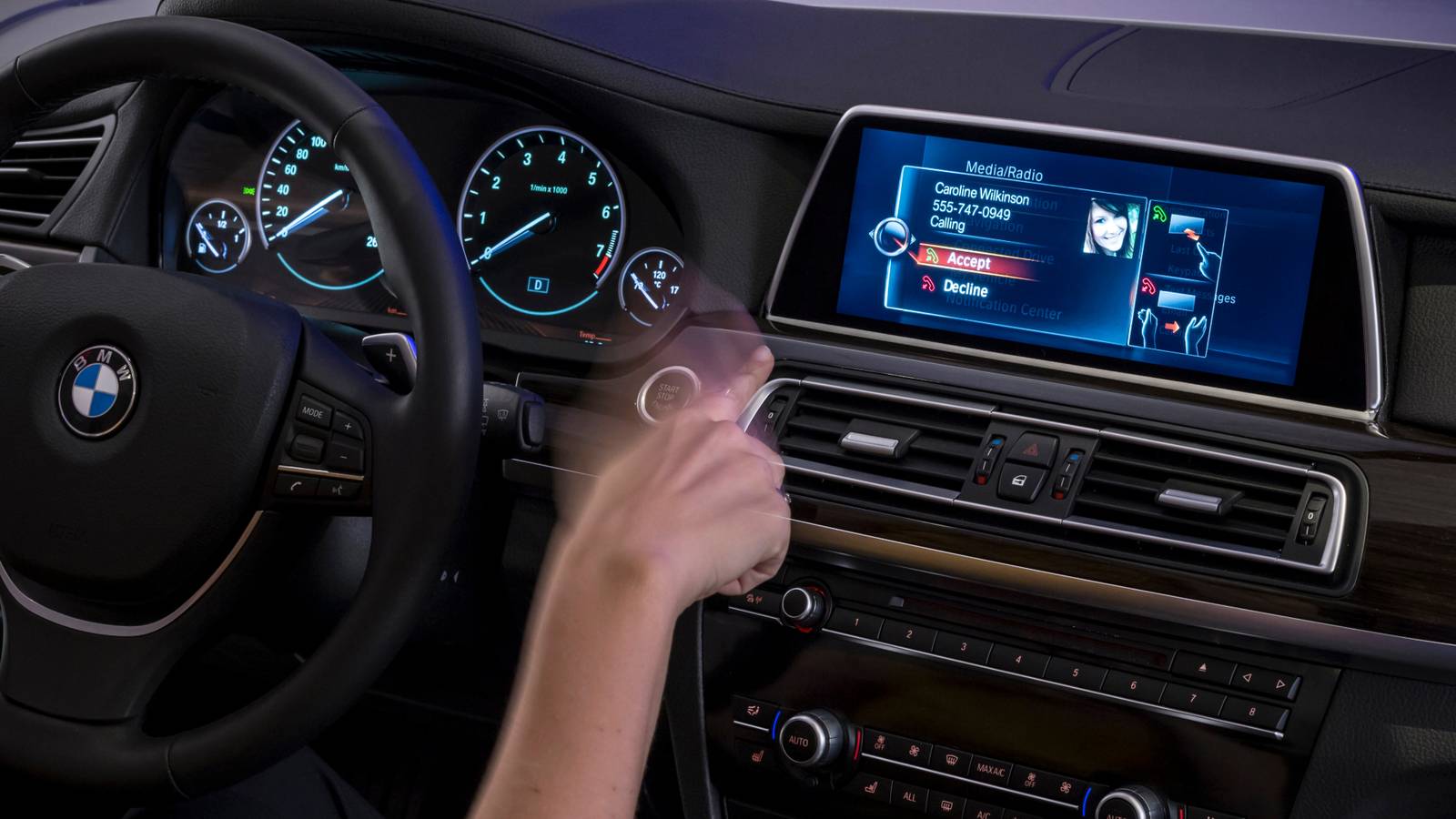
Other features stumbled under the weight of their own ambition, becoming case studies in over-engineering. The 2002-2007 BMW 7 Series (E65) infamously launched with the first iteration of iDrive, a single rotary controller meant to manage navigation, climate, and entertainment. It was lambasted for being unintuitive and dangerously distracting, a stark reminder that simplifying a cockpit shouldn't complicate the driver's life. Even more notorious was the early 2000s Mercedes-Benz S-Class with its keyless GO system—a sleek, card-shaped key that was famously easy to leave in your pocket and send through the wash, with a replacement cost running into the hundreds of dollars.
These historical missteps provide crucial context for today's EV landscape. Tesla's approach, centered on a minimalist interior and over-the-air updates, represents a philosophical rejection of such isolated, hardwired gimmicks. Features are deployed and refined digitally, with their utility judged by widespread user data, not just a designer's sketch. The lesson is clear: true innovation enhances the core experience of driving, charging, and software, rather than tacking on standalone novelties that quickly become afterthoughts.
For Tesla owners and investors, this history underscores the strength of the company's integrated, software-first philosophy. While the industry's past is littered with expensive, useless hardware, Tesla's value is increasingly defined by its adaptable software ecosystem. It suggests that capital allocation is better directed toward the 4680 battery cell, Full Self-Driving neural nets, and Supercharger network expansion—systemic advancements that compound value—rather than one-off physical gadgets. As the electric vehicle market matures, the brands that succeed will be those that learn the old lesson: the coolest feature is one that remains indispensable long after the novelty wears off.