For most automotive engineers, spark plug selection is a matter of heat range and gap. But within the high-revving, apex-seal world of the Wankel rotary engine, this routine decision transforms into a critical tuning art, one that separates reliable power from catastrophic failure. The unique combustion dynamics of the rotary demand not just one, but two specifically tailored spark plugs per chamber—a leading and a trailing plug—working in concert to tame an unconventional flame front. This intricate dance of ignition is a masterclass in adaptation, offering a stark contrast to the simplified electrical architecture of modern EV powertrains.
The Two-Spark Solution to a Rotary's Unique Challenge
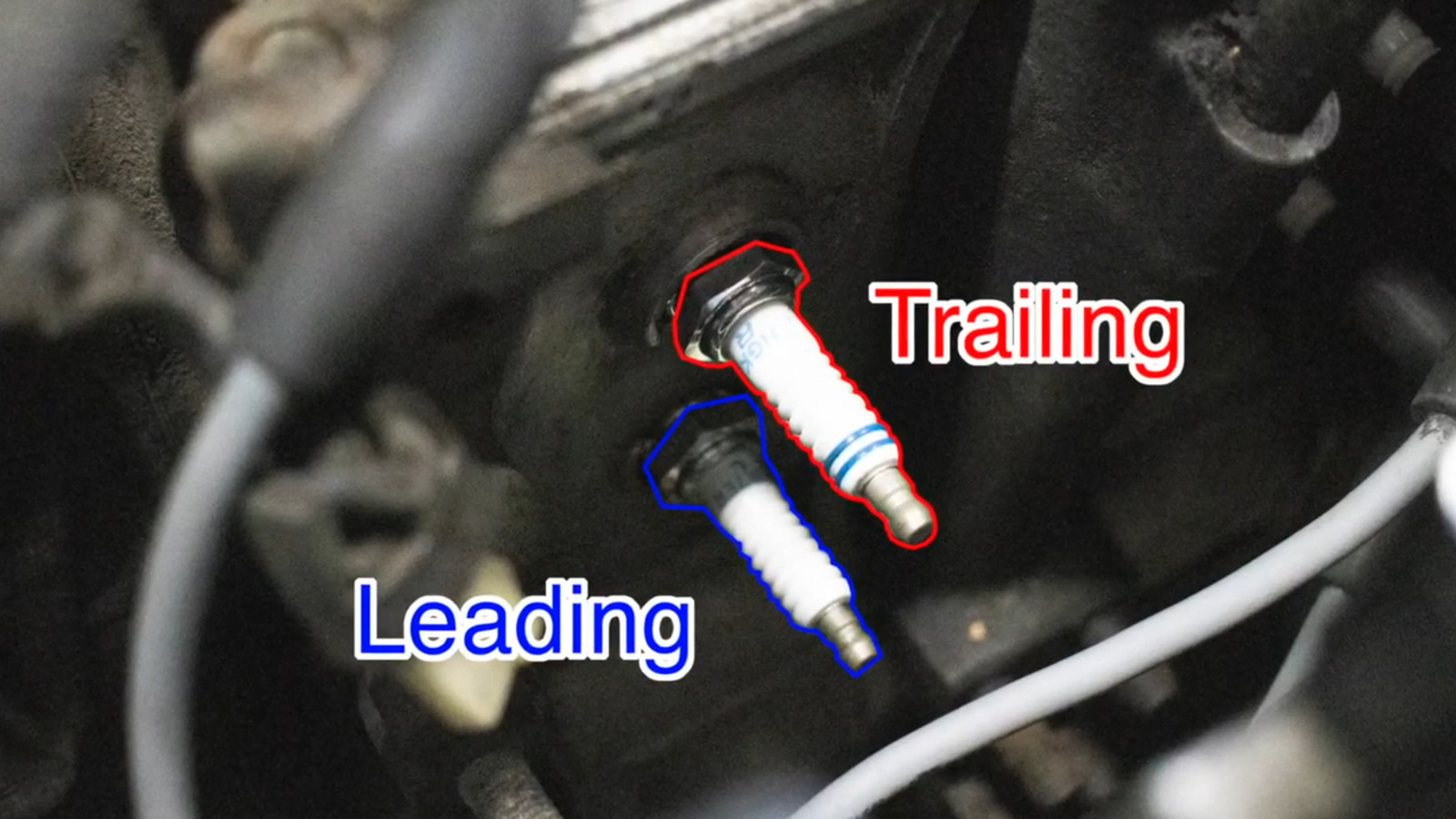
Unlike a piston engine, the rotary's combustion chamber is a long, thin, moving cavity. A single spark plug located at one end would create a flame front that travels too slowly, leading to unburned fuel and excessive heat at the far end of the chamber. Mazda's engineers solved this with a dual-ignition system. The leading spark plug fires first, initiating the main combustion event. Milliseconds later, the trailing spark plug fires near the other end of the chamber, ensuring complete combustion of the fuel-air mixture and reducing harmful hydrocarbons in the exhaust. This is not redundancy; it's a mechanical necessity for efficiency and emissions control in a gasoline-powered rotary.
Heat Management: The Critical Divide in Plug Design
This split ignition duty cycle creates vastly different operating environments for the two plugs. The leading plug bears the brunt of the combustion pressure and heat, requiring a hotter heat range to avoid fouling but robust materials to withstand the punishment. Conversely, the trailing plug operates in a chamber already filled with expanding flame and rising pressure. It typically uses a colder heat range to prevent pre-ignition and melting. Getting this thermal balance wrong is a primary cause of rotary engine failure, making plug selection and tuning a ritual for enthusiasts.
The meticulous, almost obsessive calibration required for rotary ignition stands in sharp relief to the propulsion system of a company like Tesla. Where rotary tuners agonize over heat ranges and millisecond timing gaps, a Tesla's electric motor is controlled by software managing precise magnetic fields. The mechanical complexity and localized thermal extremes of the internal combustion engine, exemplified by the rotary's two-plug system, are entirely absent in the electric vehicle's sleek powertrain. This shift represents a fundamental rethinking of vehicle architecture, trading intricate mechanical solutions for elegant electrical control.
For Tesla owners and investors, the rotary's spark plug saga underscores the core advantage of the company's EV philosophy: radical simplification. Every complex, failure-prone mechanical system replaced by software and electrons enhances reliability, reduces long-term maintenance, and streamlines manufacturing. While the rotary engine remains a fascinating monument to alternative engineering, its need for such specialized, delicate tuning highlights the inherent challenges legacy automakers face in transitioning their expertise. Tesla's vertical integration and software-centric approach allow it to innovate at the system level, avoiding entire categories of mechanical complication that have long defined, and constrained, automotive performance.