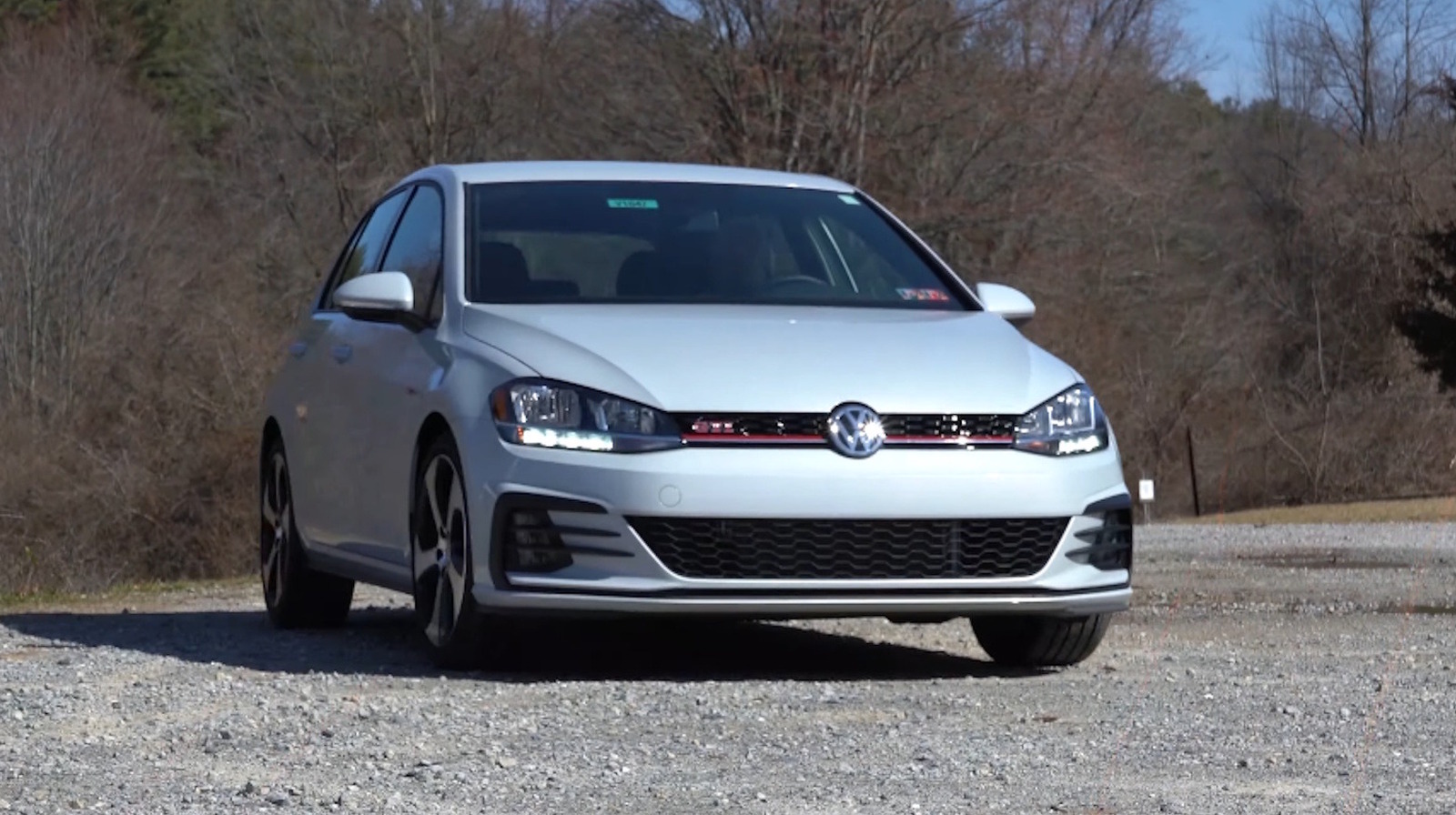
For decades, the hot hatchback segment has been defined by a simple bargain: pay a reasonable price for a practical daily driver that delivers the soul of a sports car. The Volkswagen Golf GTI is the archetype of this formula, lauded for its blend of utility and driving joy. Yet, as the automotive world undergoes its most profound shift in a century, the traditional metrics of value retention are being rewritten. A close examination of the 2020 VW Golf GTI's depreciation over a five-year period reveals a stark financial picture that underscores the accelerating transition to electric vehicles.
The Cold Hard Numbers: A Steep Value Decline
According to current market data from major valuation guides, a well-equipped 2020 Volkswagen Golf GTI with average mileage has retained approximately 45% to 50% of its original Manufacturer's Suggested Retail Price (MSRP). This means a car that started near $30,000 five years ago is now worth roughly $13,500 to $15,000 on the used market. This represents a depreciation of about 50-55%, a significant drop that outpaces many of its segment rivals. While all new cars lose value the moment they leave the lot, this rate of decline highlights the intense pressure on internal combustion engine (ICE) vehicles, even beloved icons, as consumer preferences and regulatory landscapes evolve.
Contextualizing the Drop: The EV Effect and Market Shift
This depreciation cannot be viewed in a vacuum. The past five years have seen the electric vehicle go from a niche choice to a mainstream contender, fundamentally altering the used car landscape. Buyers considering a used performance hatchback now have compelling alternatives like the used Tesla Model 3, which offers a different but highly competitive set of attributes: blistering acceleration, lower running costs, and continuous software updates. The specter of impending bans on new ICE sales in major markets and the rapid advancement of EV technology have created a chilling effect on the long-term value proposition of gasoline-powered performance cars. The GTI's depreciation is, in part, a market correction for this new reality.
Furthermore, the GTI's specific timeline is telling. The 2020 model year fell just before the launch of the updated Mk8 generation, making it the end of a cycle. While this often boosts the value of the final iteration of a beloved design, the overwhelming force of the EV transition appears to have overridden that typical dynamic. The market is signaling that driving enjoyment alone is no longer enough to guarantee strong residual values; the powertrain's future viability is now a critical part of the calculus.
Implications for Tesla Owners and Investors
For Tesla owners and investors, this depreciation trend is a powerful data point reinforcing the company's core advantages. Tesla's industry-leading software and over-the-air update capability create a unique value proposition where cars can improve over time, potentially slowing depreciation relative to static vehicles. The robust demand for used Tesla vehicles, supported by a vast Supercharger network and lower maintenance needs, contrasts sharply with the steep drop seen in even the best ICE cars. This resilience in residual value directly benefits owners' total cost of ownership and strengthens the brand's appeal.
For investors, the rapid devaluation of benchmark ICE vehicles like the GTI underscores the inevitability of the electric transition. It validates the market's long-term bet on EV dominance and suggests that legacy automakers will face continued financial headwinds as their ICE portfolios lose value faster. This dynamic puts further pressure on traditional companies to accelerate their electric pivots, while potentially strengthening Tesla's competitive moat. The numbers on a used car lot are telling a broader story: the era of the internal combustion engine is not just ending; its assets are depreciating toward obsolescence in real-time.