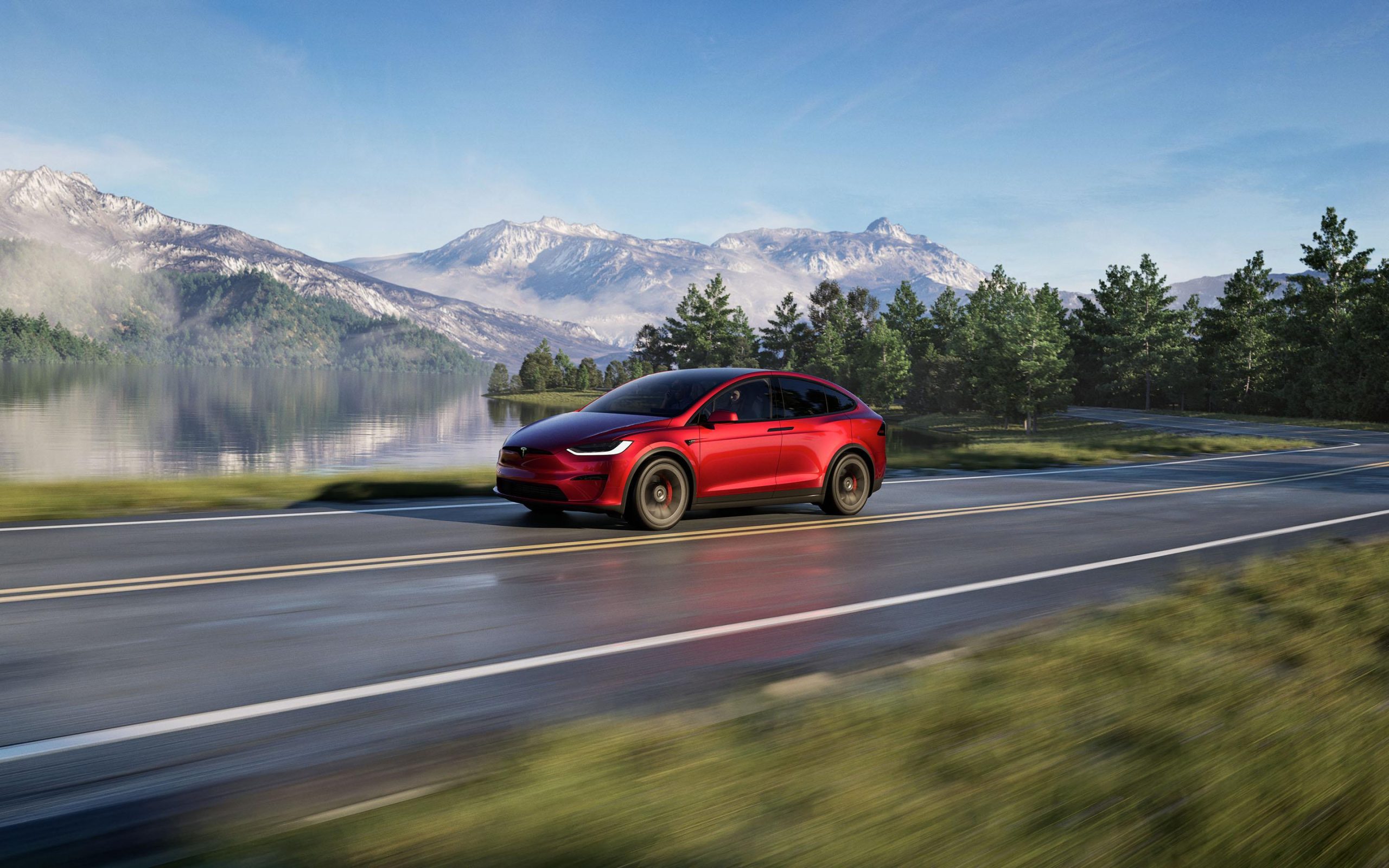
Canada's road to an all-electric future has hit an unexpected, and for some, concerning, detour. New vehicle registration data for the third quarter of 2025 reveals a seismic shift in consumer preference, with hybrid vehicle sales surging to a record high while the growth of zero-emission vehicles (ZEVs) has markedly stalled. This divergence presents a complex challenge for pure-play EV manufacturers and signals a pragmatic, perhaps hesitant, turn in the mainstream market's adoption curve.
The Pragmatic Surge: Why Hybrids Are Winning Hearts and Wallets
The data points to a clear consumer calculus. Buyers are increasingly opting for hybrids as a compromise technology, blending improved fuel efficiency with the familiar refueling infrastructure and often lower upfront cost compared to many battery-electric vehicles. For a vast country with extreme temperature swings and significant rural distances, the elimination of range anxiety is a powerful selling point. This trend is being aggressively fueled by legacy automakers who have pivoted to flood the market with hybrid variants of their most popular SUV and truck models, offering a familiar product with an eco-conscious upgrade.
Stalled Momentum: The ZEV Adoption Plateau
Conversely, the ZEV segment, which includes both battery-electric and plug-in hybrid vehicles, saw its previously breakneck growth slow significantly in Q3. Analysts point to a confluence of headwinds: persistently high interest rates making expensive vehicle financing less attractive, slower-than-expected expansion of public charging networks in key regions, and a natural pause as the market moves beyond early adopters to more cautious mainstream buyers. This plateau suggests that overcoming the next wave of consumer skepticism requires more than technological prowess; it demands a seamless and affordable ownership experience.
For Tesla, which commands the lion's share of Canada's pure EV market, this shift is a direct challenge to its core mission. The company's strategy has been predicated on accelerating the world's transition to sustainable energy through fully electric transport. The Canadian market's swing toward hybrids indicates a segment of buyers are not yet convinced that a pure BEV fits their lifestyle or budget, despite Tesla's industry-leading range and Supercharger network. This consumer hesitation underscores the critical importance of Tesla's forthcoming next-generation platform and the promised $25,000 compact vehicle, which aim to address the critical price barrier head-on.
The implications for Tesla and its stakeholders are immediate and multifaceted. Investors must weigh the short-term market dynamics against Tesla's long-term, vertically integrated vision. For current and prospective Tesla owners, the company's response will likely involve a redoubled focus on charging infrastructure expansion and cost reduction to enhance value. While the hybrid surge may represent a temporary bridge for the broader auto industry, Tesla's trajectory depends on proving that bridge is unnecessary, making the success of its affordable vehicle program more crucial than ever in competitive markets like Canada.