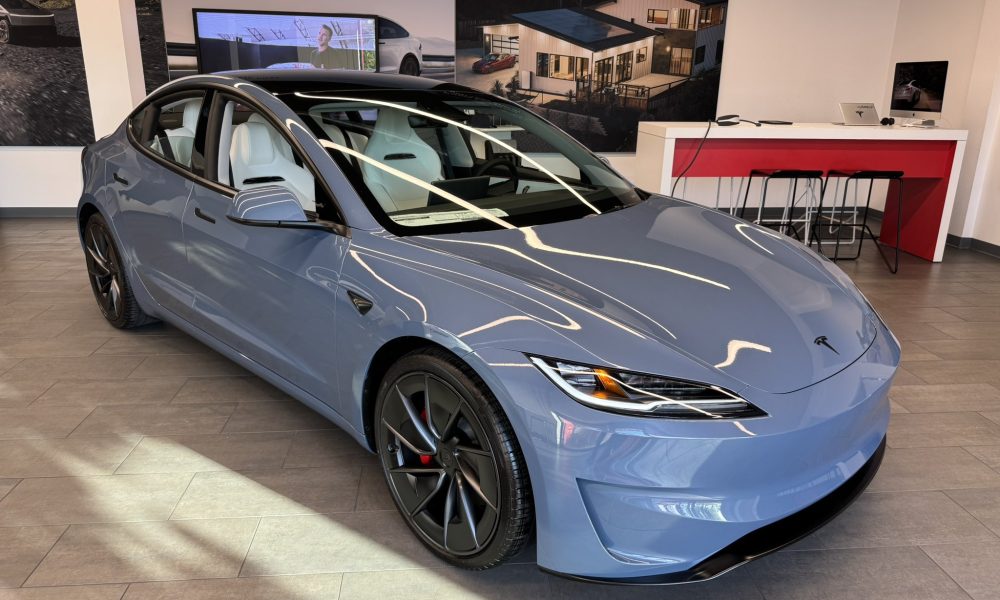
The quest for an affordable, compelling electric vehicle has long been the industry's holy grail, and for 2026, that target is clearer than ever: under $40,000. While Tesla has historically dominated EV conversations, a new wave of competitors is delivering impressive range, technology, and value at this critical price point, reshaping what buyers can expect. Our analysis, powered by the proprietary CarBuzz BuzzScore Rating, cuts through the noise to identify which models truly deliver on the promise of accessible electrification without punishing compromise.
The 2026 Value Landscape: Beyond the Entry-Level Stigma
Gone are the days when a sub-$40k EV meant agonizingly slow charging or sub-200-mile range. The 2026 cohort in this bracket is fiercely competitive, offering features that were premium just three years ago. Key differentiators now include DC fast-charging speeds above 150kW, advanced driver-assistance systems as standard, and usable real-world range between 250 and 300 miles. This shift forces a fundamental reassessment of value, where traditional automotive metrics like ride comfort and interior quality are weighed equally against software prowess and charging network access.
Top Contenders and the Tesla Factor
While the Tesla Model 3 remains a benchmark in this category, its position is no longer unchallenged. The BuzzScore Rating highlights strong contenders like the Hyundai Ioniq 6, which couples stunning aerodynamics with exceptional efficiency, and the Chevrolet Equinox EV, which offers SUV practicality at a startlingly low MSRP. The Volkswagen ID.4 also scores highly for its balanced approach and recent software enhancements. Notably, Tesla's key advantage—the seamless Tesla Supercharger network—has begun to erode as most competitors now offer adapters for NACS compatibility, leveling the access playing field for 2026 buyers.
Our analysis reveals that the "best" EV under $40k is increasingly segmented by buyer priority. The top score for driving engagement and efficiency might go to a sedan, while the highest rating for family utility will point to a compact SUV. This specialization means brands must excel in specific niches rather than relying on general EV novelty. The data shows that manufacturers who have invested in dedicated EV platforms are pulling ahead in interior space and driving dynamics compared to those adapting existing gasoline frames.
Implications for Tesla Owners and Investors
For Tesla owners, this burgeoning competition is a double-edged sword. It validates the electric transition but also means Tesla's vehicles are no longer the default choice; they must be chosen on their specific merits. The expansion of reliable public charging diminishes a once-formidable moat, putting more pressure on Tesla's vehicle design, cost, and service experience. For investors, the landscape signals that Tesla's future growth will depend less on a lack of alternatives and more on its ability to innovate in manufacturing, software, and energy integration while defending its core market share from increasingly capable and affordable rivals.