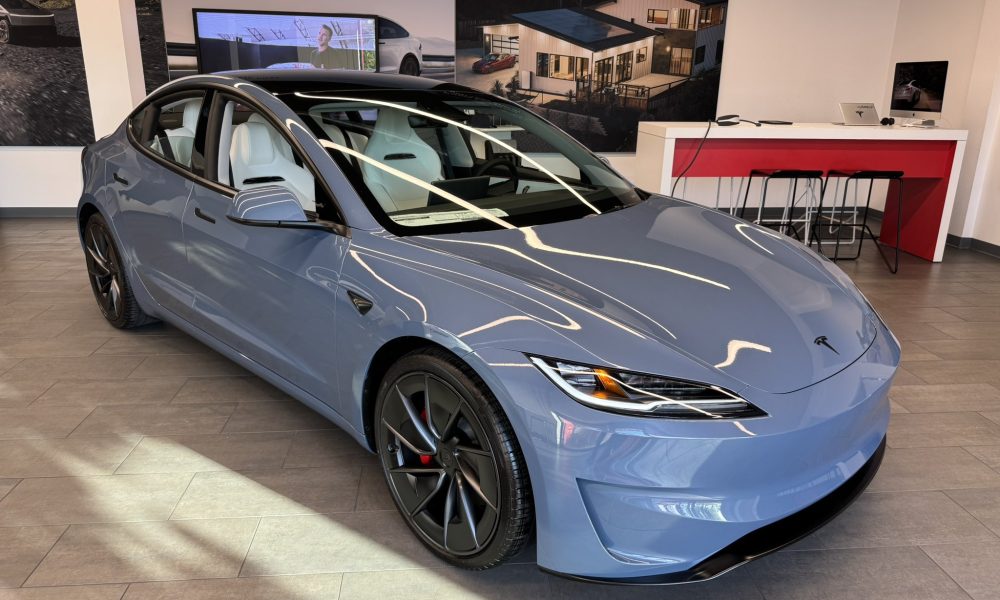
The throne of China's electric vehicle market, long dominated by Tesla's Model Y, has a new occupant. In a stunning market shift for January 2026, the Xiaomi YU7 electric SUV has surged to become the best-selling passenger vehicle in the country, outselling the perennial champion and signaling a profound evolution in consumer choice and competitive dynamics. This milestone is more than a monthly blip; it is a definitive announcement that the era of unchallenged Western EV supremacy in the world's largest auto market is over.
Xiaomi's Blitzkrieg: From Tech Giant to Auto Disruptor
Xiaomi's ascent is a case study in aggressive, well-executed market entry. Leveraging its massive brand recognition in consumer electronics and its expertise in connected ecosystems, the company has executed what industry analysts call a "blitzkrieg" strategy. The YU7, positioned as a tech-forward, feature-rich SUV at a competitive price point, has clearly resonated with Chinese consumers. Its success is built on a deep understanding of local preferences, including advanced driver-assistance systems tailored for Chinese roads, seamless smartphone integration, and a rapid expansion of its sales and service network. This victory demonstrates that in today's EV landscape, software, user experience, and hyper-localization can be as critical as the hardware itself.
Pressure Mounts in Tesla's Most Critical Market
For Tesla, the implications are immediate and significant. China represents not only its second-largest market but also the home of its most crucial export hub, Gigafactory Shanghai. While the Model Y's performance remains strong, being dethroned by a domestic rival underscores the intense and escalating competition. Chinese automakers are no longer playing catch-up on range and performance; they are now setting the pace on in-car technology, connectivity, and value. Tesla now faces a multifaceted challenge: defending its market share against a growing legion of capable, nimble, and well-funded domestic brands like Xiaomi, BYD, and Nio, all while navigating the complexities of local consumer trends and potential policy shifts.
The Road Ahead for Tesla and Global EV Strategy
The January sales data serves as a critical inflection point. Tesla's response will likely need to be multifaceted. This could accelerate plans for more localized vehicle features and software, a renewed push on cost reduction for the Model Y and Model 3 to maintain value competitiveness, and potentially faster iteration on its in-car infotainment and autonomous driving offerings in the region. Furthermore, it places even greater importance on Tesla's next-generation platform and the promised lower-cost model, which is anticipated to be a global volume driver. The battle is no longer just about electric powertrains; it is about winning the hearts, minds, and wallets of a sophisticated tech-savvy consumer base.
For Tesla owners and investors, this development is a clear signal to expect heightened competitive rhetoric and strategic adjustments. Investors should watch for Tesla's upcoming quarterly earnings calls for commentary on pricing strategy, margin management, and product roadmap adjustments specific to China. For owners globally, the intense competition in China often fuels faster innovation and feature rollouts, which can benefit the entire Tesla ecosystem. However, it also solidifies that Tesla's growth story will increasingly be written not just by its own execution, but by its ability to outmaneuver and out-innovate a formidable array of rivals in every key market it contests.