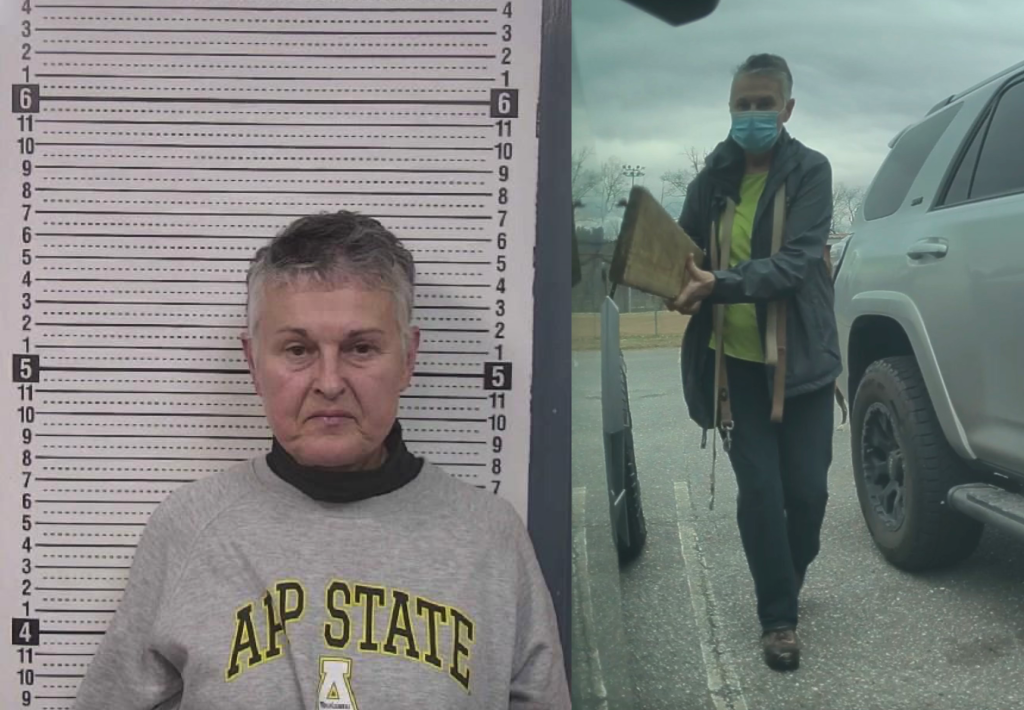
In a stark demonstration of modern automotive security meeting swift justice, a North Carolina woman was arrested this week after allegedly vandalizing a Tesla Cybertruck, with the entire incident captured in high-definition by the vehicle's integrated Sentry Mode system. The event underscores a growing trend where Tesla's sophisticated surveillance technology is not just a deterrent but an active tool for law enforcement, turning victims into instant investigators.
Sentry Mode: The Unblinking Digital Witness
The core of this case lies in Tesla's proprietary Sentry Mode. When the vehicle senses a threat, it uses its external cameras to record the surroundings, often capturing clear footage of perpetrators, their actions, and even license plates. In this instance, the system provided police with immediate, court-admissible evidence, bypassing the need for witness statements or grainy security camera footage. This capability transforms every Tesla into a mobile security hub, a feature that is becoming increasingly valuable as high-profile vehicles like the angular Cybertruck attract both admiration and unwanted attention.
Beyond Deterrence to Direct Accountability
While Sentry Mode's flashing icon is designed to scare off potential vandals, this incident highlights its role in post-crime accountability. The seamless integration of video evidence with vehicle location data allows owners to quickly compile a comprehensive report for authorities. For law enforcement, this means investigations that might have gone cold are resolved in hours, not days. The arrested woman now faces tangible legal consequences directly linked to the undeniable digital evidence provided by the very vehicle she targeted.
The context here is critical: vandalism against electric vehicles, often fueled by misguided political or social animus, remains a persistent issue. However, Tesla's network of vigilant vehicles is shifting the power dynamic. Each successful arrest publicized serves as a public warning that damaging a Tesla is a high-risk endeavor with a very high probability of being caught.
Implications for Owners and the EV Ecosystem
For Tesla owners and investors, this event reinforces the value proposition embedded in the company's technology stack. It's not merely about transportation; it's about owning a connected asset with robust protective features. This security layer can influence insurance premiums, resale value, and owner peace of mind. For the broader EV industry, it sets a benchmark for vehicle security that competitors will need to match. As Tesla's fleet continues to grow, so does this distributed network of cameras, potentially enhancing community security and creating a significant deterrent effect that benefits all owners.