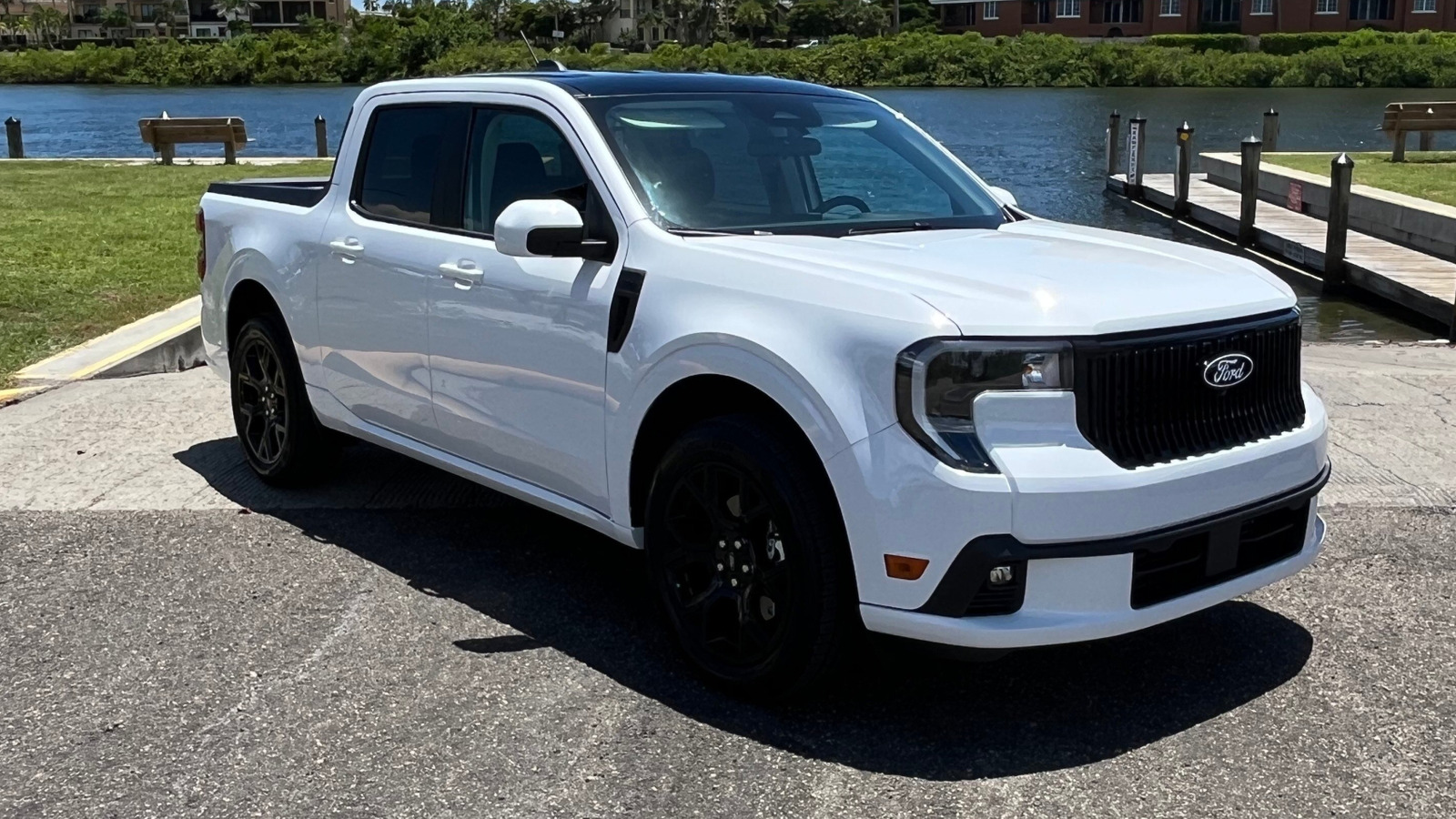
While Tesla's all-electric lineup defines the cutting edge, the broader automotive landscape is undergoing a complex transition where advanced hybrid technology still plays a pivotal role. A prime example is the popular Ford Maverick pickup, which offers two distinct powertrains that represent different engineering philosophies. For Tesla followers and EV enthusiasts, understanding this competition's approach to efficiency and performance provides crucial market context, highlighting the diverse strategies automakers are employing in the journey toward electrification.
Architectural Divide: Hybrid vs. Turbocharged Performance
The core difference lies not just in engine size but in fundamental design. The 2.5-liter PowerBoost is a full hybrid system, pairing its gasoline engine with an electric motor and a 1.1-kWh lithium-ion battery. This allows for electric-only driving at low speeds, regenerative braking, and seamless engine stop-start. In contrast, the 2.0-liter EcoBoost is a conventional, turbocharged internal combustion engine focused on delivering robust power from a smaller displacement. It lacks any electric motor assistance, placing it in a more traditional performance category against the PowerBoost's efficiency-first hybrid architecture.
Power, Efficiency, and Capability Trade-Offs
The choice between these engines dictates the Maverick's character. The 2.0L EcoBoost generates 250 horsepower and 277 lb-ft of torque, offering stronger towing capacity of up to 4,000 pounds when properly equipped. The 2.5L PowerBoost hybrid, with its combined system output, makes 191 horsepower but achieves a standout EPA-estrated 42 mpg in the city. Its maximum tow rating is a lower 2,000 pounds. This clear trade-off—peak capability versus maximum fuel economy—illustrates the balancing act legacy automakers face as they integrate electrified components into utility-focused vehicles.
For Tesla's engineering-centric audience, the Maverick's hybrid system is a fascinating study in pragmatic, cost-effective electrification. Unlike a Tesla's large battery pack and powerful drive units, the PowerBoost uses a small battery and motor primarily to optimize the gasoline engine's efficiency in urban conditions. This "bridge" technology aims to deliver significant efficiency gains without the cost and charging infrastructure requirements of a full battery-electric vehicle, targeting a different segment of the market that may not be ready for a pure EV transition.
The existence and popularity of these two Maverick powertrains underscore the fragmented state of the current market. While Tesla continues to push the boundaries of pure EV performance and range, a significant portion of consumers, particularly in the truck segment, are still weighing priorities. The Maverick's success with both options proves there is substantial demand for both higher efficiency and traditional utility, suggesting the road to full electrification will see various hybrid and plug-in hybrid solutions coexist with BEVs for the foreseeable future.
For Tesla owners and investors, this analysis reinforces the competitive landscape's complexity. Tesla's mission accelerates the world's transition to sustainable energy, but that transition is not a monolithic shift. Vehicles like the hybrid Maverick serve as an entry point for buyers into electrified technology, potentially creating future EV customers. However, they also represent formidable competition in the crucial pickup segment, where Tesla's Cybertruck must compete not only on sustainability but also on capability and cost. Monitoring the adoption rates and consumer response to these hybrid systems provides valuable data on the pace and nature of the broader market's evolution.