For Tesla owners, the ability to tow—whether it's a bike rack, a small trailer, or a camper—adds a powerful layer of utility to their electric vehicles. However, a critical piece of hardware often gets overlooked in the excitement of EV ownership: the tow hitch itself. While it may seem like a simple metal bar, the engineering and regulatory standards governing hitches create a stark divide between the American and European approaches, with significant implications for design, capability, and safety.
The American Receiver vs. The European Swan Neck
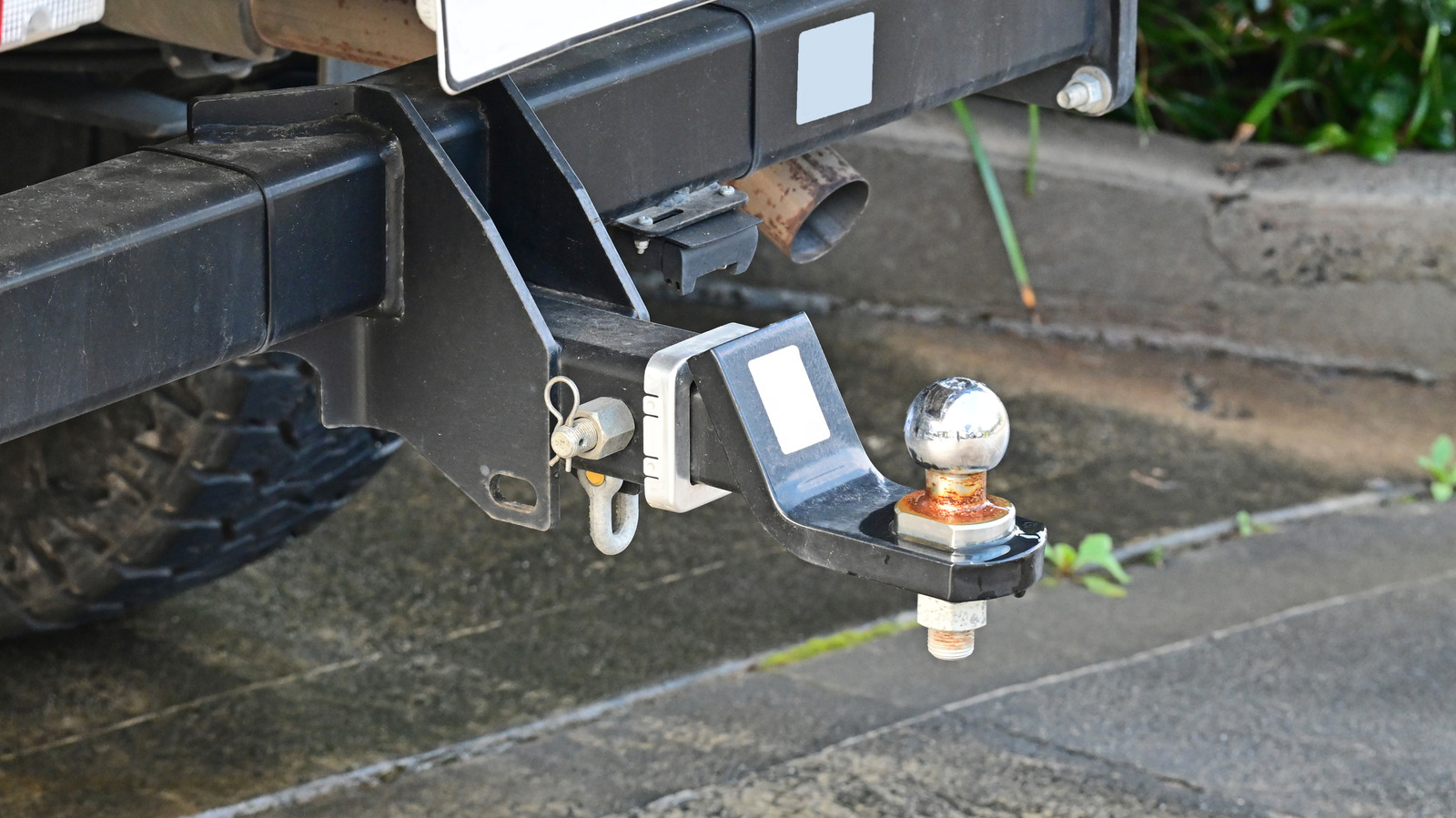
In North America, the dominant design is the square receiver hitch, typically a 2-inch Class II or a 2.5-inch Class III/IV opening. This system is modular; the vehicle has a fixed receiver, and the owner selects a separate ball mount, bike rack, or accessory that slides into the hitch and is secured with a pin. This design prioritizes versatility and interchangeability across different vehicles and brands. In contrast, the European standard is the swan neck or flange ball hitch, where the towball is a fixed, integral part of a sleek, often electronically deployed arm. This creates a cleaner, more aerodynamic look when retracted and is designed to work seamlessly with standardized European trailer couplings, but offers less flexibility for aftermarket accessories without adapters.
Safety Philosophy: Static Weight vs. Dynamic Load
The divergence goes deeper than shape into fundamental engineering philosophy. American ratings prominently feature Gross Trailer Weight (GTW)—the total loaded weight a vehicle can pull. The focus is on the sheer mass in motion. European regulations, however, place paramount importance on the vertical static load on the towball, known as the "nose weight" or "S value." This measures the downward force a trailer exerts on the hitch, critical for maintaining vehicle stability at high speeds on the Autobahn. Consequently, a European-spec Tesla Model Y might have a lower maximum trailer weight but a higher mandated nose weight requirement compared to its American counterpart, reflecting a different balance in the stability vs. capacity equation.
This regulatory split stems from long-standing automotive cultures. Europe's dense network of high-speed roads and preference for caravans (travel trailers) demands hitches that ensure exceptional highway stability. America's larger distances and greater variety of towed equipment—from utility trailers to boats—favored a more adaptable, higher-capacity system. For Tesla, this means engineering distinct rear subframes and software calibrations for each market. The vehicle's trailer mode, which adjusts stability control and regenerative braking, must be finely tuned for these different mechanical and weight dynamics.
For Tesla owners and investors, understanding this hitch divide is more than trivia. It highlights the complexities of global manufacturing and the importance of using region-specific accessories. An American purchasing a European tow bar kit, or vice versa, will face compatibility and potential safety issues. For investors, it underscores Tesla's meticulous adaptation to regional safety standards—a non-negotiable aspect of its global expansion. As Tesla's Cybertruck enters the scene with its immense 11,000+ lbs towing capacity under the American system, and the company grows its commercial Semi footprint, this foundational knowledge of tow hardware becomes ever more relevant to the brand's complete utility proposition.