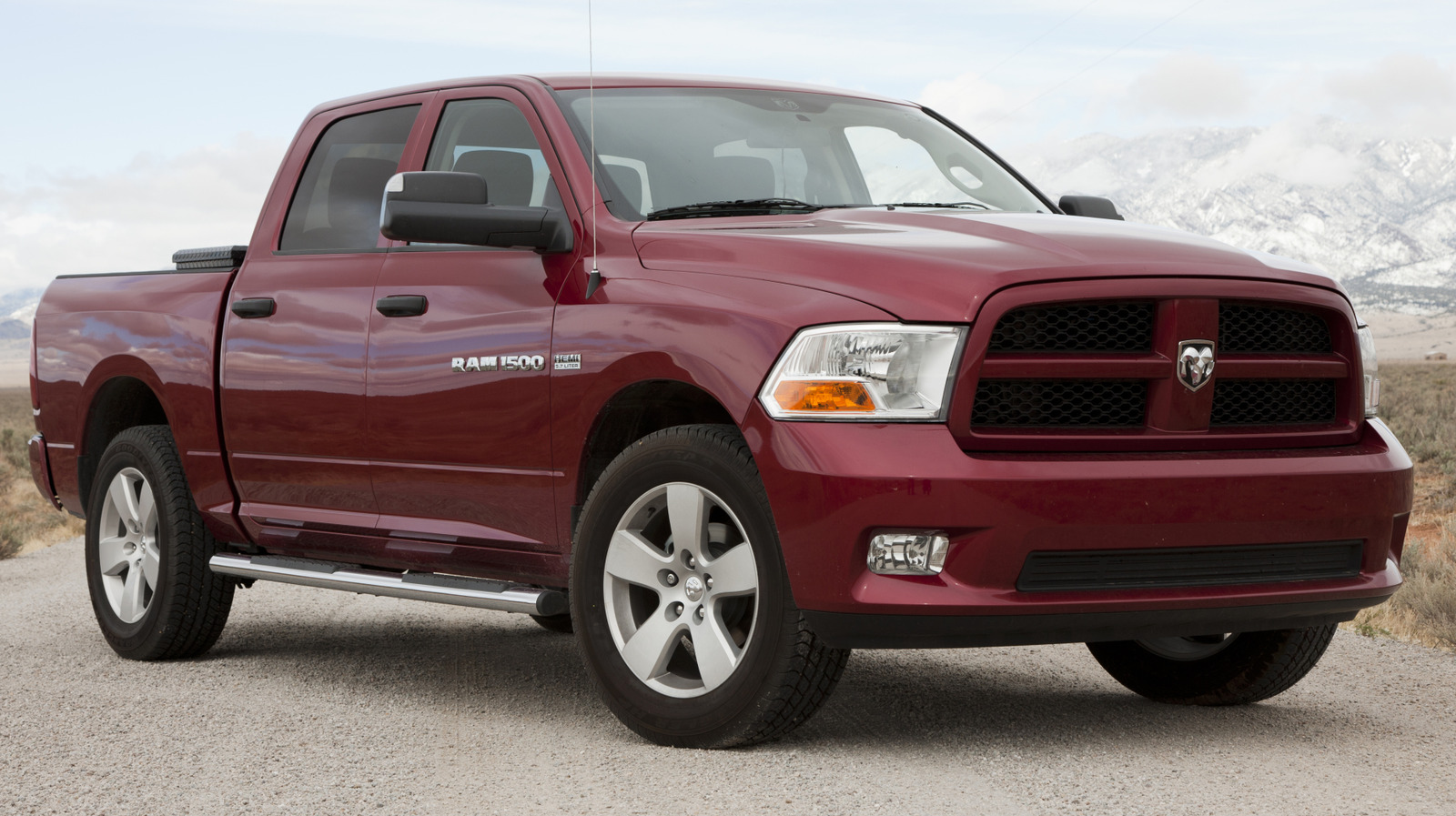
In the fiercely competitive world of automotive manufacturing, few brand stories are as dramatic as the rise of the Ram pickup. While Tesla’s narrative is one of creating a new market from scratch, the tale of Ram is a masterclass in corporate survival, strategic rebranding, and understanding a core customer base so deeply that it resurrected an entire marque. The journey from a Dodge model line to the standalone Ram Truck brand is a pivotal case study in the modern auto industry, demonstrating how a single, powerful product line can carry the weight of a legacy.
From Dodge Workhorse to Defining Identity
The Ram name first appeared on Dodge trucks in 1981, replacing the "Dodge D Series" and adopting the iconic ram's head hood ornament. For decades, it operated as the Dodge Ram, a loyal but often second-place contender in the pickup wars dominated by Ford and Chevrolet. The turning point came with the launch of the second-generation Ram in 1994. Its bold, "big-rig" styling, with a massive grille and flared fenders, was a radical departure from the rounded designs of its rivals. This gamble on aggressive aesthetics resonated powerfully with truck buyers, tripling sales almost overnight and proving that a pickup could be a statement of personal identity as much as a tool.
The Strategic Split That Saved Dodge
By the late 2000s, Dodge was a brand stretched thin, encompassing everything from minivans and muscle cars to heavy-duty trucks. The financial crisis of 2009 forced a radical reorganization under the new Fiat Chrysler Automobiles (FCA) umbrella. The decisive move came in 2009: Ram was spun off into its own standalone brand, separate from Dodge. This allowed Dodge to sharpen its focus purely on performance cars like the Charger and Challenger, while Ram could dedicate all its resources to innovating in the lucrative and expanding truck market. The Ram wasn't just a successful model; it became the financial engine and brand savior.
The evolution since the split has been relentless. Ram has consistently pushed the boundaries of luxury, technology, and diesel performance in the segment, most notably with the game-changing Ram 1500's coil-spring rear suspension for superior ride comfort. This focus on refinement over raw capability alone allowed Ram to carve out a distinct niche, frequently challenging Silverado for the #2 sales spot and earning critical acclaim. The brand’s success provided the stability and capital that allowed the Dodge performance division to thrive independently.
Implications for the Tesla Ecosystem
For Tesla observers and investors, the Ram story is a compelling parallel in brand and product strategy. It underscores the immense value of a dominant, high-margin product line—for Tesla, that's unequivocally the Model Y. Just as Ram’s profits stabilized and empowered Dodge, the cash flow from Tesla’s volume EV models funds the development of the Cybertruck, Semi, and future platforms. Furthermore, Ram’s success through differentiation—offering a unique blend of comfort and style—mirrors Tesla’s own playbook of winning not just on powertrain but on software, user experience, and a distinct design philosophy. As the electric vehicle pickup war intensifies with the Cybertruck, Rivian R1T, and Ford F-150 Lightning, Tesla’s challenge mirrors Ram’s historic climb: to convert loyalists by offering something so compellingly different that it reshapes market expectations.