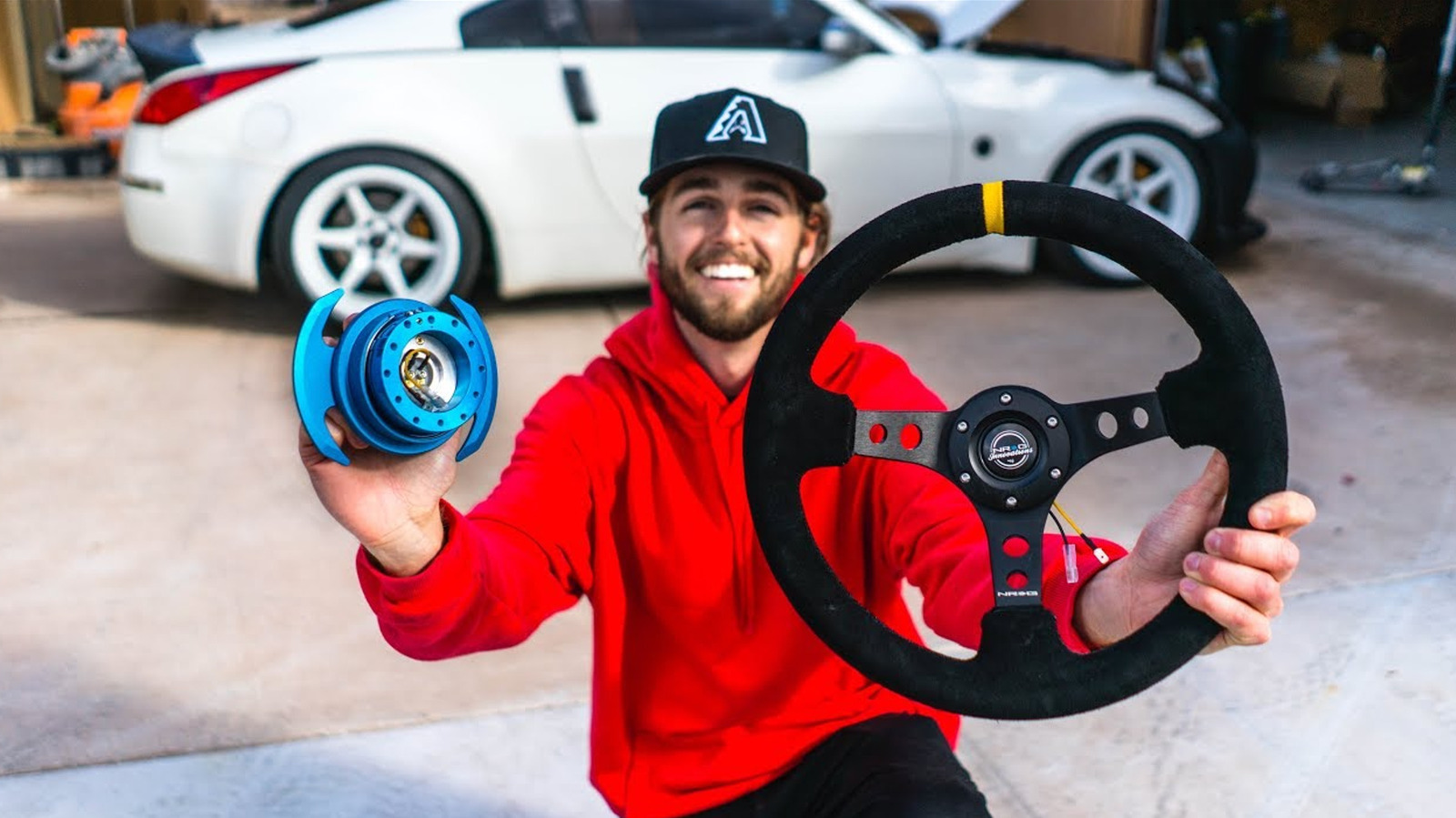
For many Tesla owners, personalizing their electric vehicle is a point of pride, a way to blend cutting-edge technology with individual style. However, a seemingly innocuous modification—replacing the factory steering wheel with a sleek, aftermarket racing wheel—is emerging as a serious legal and safety pitfall. What starts as an aesthetic upgrade could end with severe penalties, including fines and even jail time, as regulators crack down on tampering with federally mandated safety systems.
The Legal Minefield of Airbag Tampering
At the heart of the issue is the National Highway Traffic Safety Administration (NHTSA) and its Federal Motor Vehicle Safety Standards. Any vehicle manufactured with a driver's airbag is required to have one. Removing the factory steering wheel, which houses the airbag, to install an aftermarket wheel without a certified airbag system is considered tampering with a critical safety device. This isn't a minor infraction; it's a violation of federal law. Authorities in an increasing number of jurisdictions are treating such modifications with zero tolerance, especially following high-profile incidents where the absence of an airbag turned a minor crash into a fatal one. The legal risk is stark and personal.
Beyond the Law: Compromising Tesla's Integrated Safety
The danger extends beyond just losing the airbag itself. Modern vehicles, especially Teslas with their Autopilot and Full Self-Driving capabilities, rely on a deeply integrated sensor suite. The factory steering wheel often contains sensors for hands-on detection and driver monitoring. Swapping it out can disable these systems, creating unpredictable behavior in driver-assist features and potentially voiding your warranty. Furthermore, Tesla's safety structure is designed as a cohesive unit; introducing an unapproved component disrupts the engineering integrity tested in crash scenarios. You're not just removing a cushion—you're dismantling a key component of the vehicle's active and passive safety ecosystem.
This trend poses a unique challenge for the EV tuning community, which has grown alongside Tesla's popularity. While performance upgrades like wheels, suspension, and even software tweaks are common, the steering wheel sits in a different category entirely. Enthusiast forums are now filled with warnings and tales of failed vehicle inspections, denied insurance claims, and growing paranoia about police stops. The message is clear: the cabin of your car is not a sim-racing rig, and real-world consequences are severe.
For Tesla owners and investors, the implications are multifaceted. Owners must weigh the desire for customization against profound legal and physical risk. The potential for voided warranties and invalidated insurance in an accident cannot be overstated. For investors, this regulatory spotlight reinforces the complexity of automotive safety regulation and underscores Tesla's potential liability if modified vehicles are involved in catastrophic incidents. It also highlights a potential market gap for certified, airbag-equipped aftermarket steering wheels that meet federal standards—a niche an astute third-party manufacturer or even Tesla itself could explore. As the aftermarket EV industry matures, navigating the strict boundaries of safety compliance will be paramount for its sustainable growth.