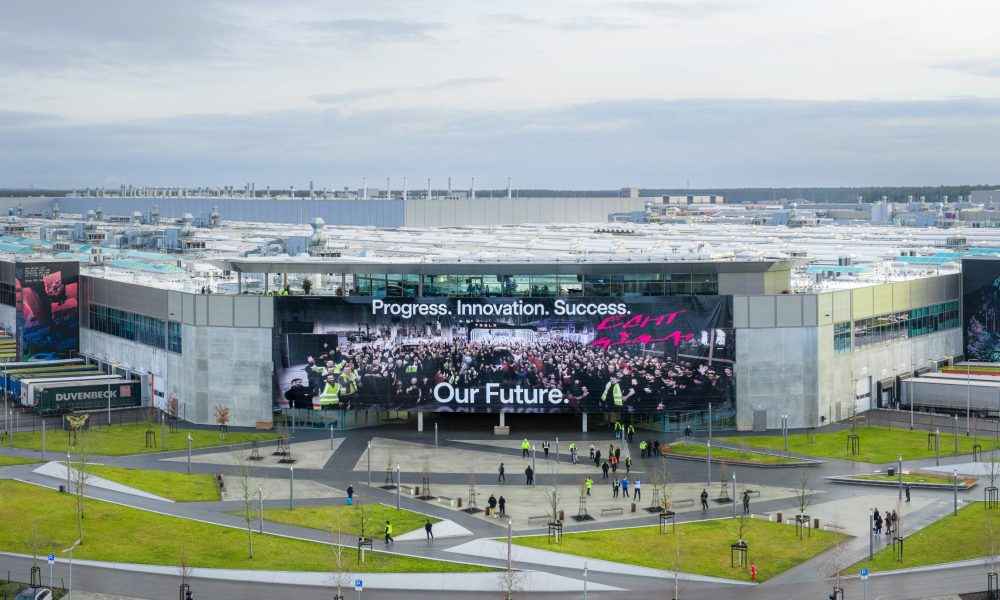
In a significant vote that underscores the complex labor dynamics within Tesla's European operations, workers at Giga Berlin have delivered a decisive rebuke to Germany's most powerful union. The recent works council election saw the influence of IG Metall—a cornerstone of the country's industrial landscape—shrink considerably, signaling a preference for an independent employee voice over traditional union representation. This outcome is a major victory for Tesla's management and its unique corporate culture, potentially setting a precedent for the automaker's global factories.
A Clear Verdict for Independence
The numbers tell a compelling story. In the 2026 works council election, the share of votes for IG Metall plummeted to just 31%, a sharp decline from its nearly 40% showing in 2024. The clear winner was the Giga United list, led by the incumbent works council chairwoman Michaela Schmitz, which secured over 40% of the vote. This result is interpreted by many as the workforce championing internal, collaborative problem-solving mechanisms aligned with Tesla's direct and fast-paced ethos, rather than ceding influence to an external, established union known for its rigid collective bargaining structures.
Cultural Clash and Corporate Strategy
This election was more than a simple personnel decision; it was a referendum on workplace culture. Tesla's approach, emphasizing agility and a mission-driven mindset, has often clashed with Germany's formalized co-determination model. IG Metall has been critical of Tesla's production speed demands and working conditions, framing unionization as essential for worker protection. Tesla, meanwhile, has advocated for direct dialogue and offered competitive wages and stock options. The resounding success of Giga United suggests a substantial portion of the 12,000-strong workforce values this alternative path, believing it better secures the factory's—and their own—future within the EV revolution.
The context of Giga Berlin's rapid expansion and its critical role in Tesla's European strategy cannot be overlooked. As the company's primary Model Y production hub for the region, maintaining operational continuity and flexibility is paramount. A strong union presence could have complicated Tesla's ability to implement changes swiftly in response to market demands. This vote alleviates some of those concerns for management, reinforcing Elon Musk's long-standing resistance to traditional unionization and validating the company's efforts to cultivate a distinct corporate culture even within the heart of European industrial tradition.
Implications for Tesla's Future
For Tesla investors, the outcome reduces a key overhang of potential labor strife and costly collective agreements at a crucial manufacturing site. It suggests that Tesla's compensation and equity-based incentive model can be a powerful tool in attracting and retaining talent, even in union-stronghold regions. For Tesla owners, a stable, productive Giga Berlin means more reliable supply chains for the European market and continued innovation focus without the distraction of protracted labor negotiations.
However, the story is far from over. While diminished, IG Metall still holds a significant minority stake in the works council and will continue to advocate for its vision. The onus is now on Tesla and the Giga United leadership to deliver on their promises of effective independent representation. They must proactively address worker concerns on safety, workload, and compensation to maintain this hard-won mandate. If they fail, the union's share could easily rebound in future elections. For now, though, Tesla has secured a major win in defining how its global workforce engages with the company's ambitious mission.