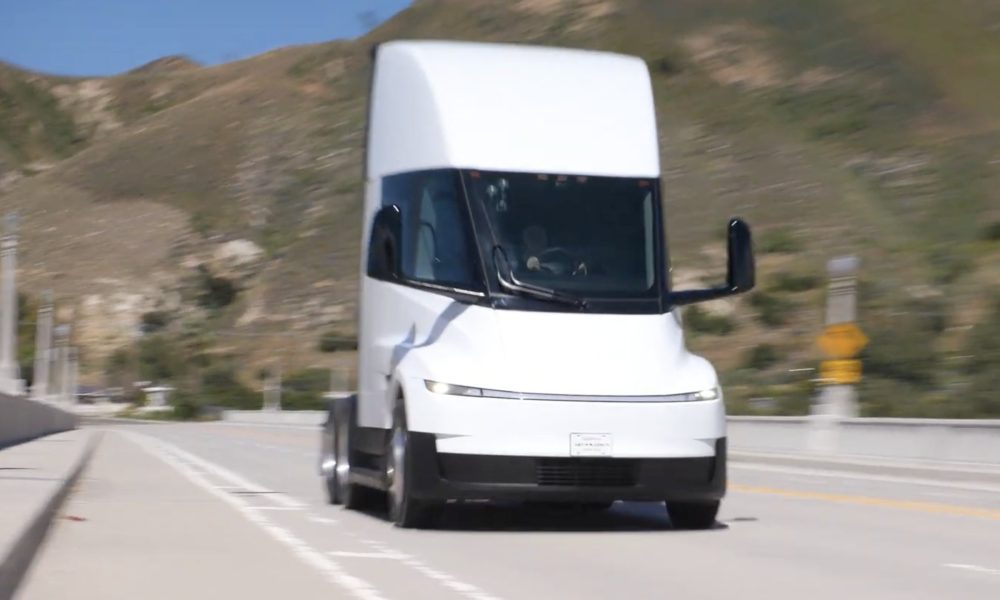
Tesla has taken a significant step toward realizing its vision for a fully electric freight future with the unveiling of its first publicly accessible Tesla Semi Megacharger station in Los Angeles. This landmark installation, open to all Tesla Semi trucks, marks a pivotal shift from the company's previous strategy of deploying these ultra-high-power chargers exclusively at private facilities like its Gigafactories and PepsiCo's premises. The move signals Tesla's growing confidence in the Semi's readiness for broader adoption and provides the most tangible evidence yet of the infrastructure needed to support long-haul electric trucking.
Beyond the Factory Gates: A Public Charging Milestone
Until now, Tesla's formidable Megachargers—capable of adding up to 70% range in just 30 minutes—have been a behind-the-scenes asset, serving Tesla's own fleet and early adopters like PepsiCo at dedicated depots. The new station in Southern California breaks that mold entirely. By placing this infrastructure in the public domain, Tesla is directly addressing the paramount concern for any commercial fleet operator: reliable, high-speed charging on major freight routes. This station isn't just a prototype; it's a working blueprint for the network required to make electric long-haul logistics a viable, everyday reality for third-party carriers.
Strategic Location and Network Implications
The choice of Los Angeles is strategically astute. The city is a critical freight hub with some of the nation's busiest ports and a growing mandate for zero-emissions drayage and transport. Installing a public Megacharger here serves a dual purpose: it provides immediate utility for early Semi customers operating in the region while acting as a high-profile proof-of-concept. The opening suggests Tesla is preparing to accelerate the rollout of a public-facing Megacharger network, a necessary precursor to scaling Semi production and sales beyond its current limited deliveries. This infrastructure build-out is as crucial to the Semi's success as the vehicle's impressive 500-mile range claim.
The operational data gathered from this public site will be invaluable. Tesla will monitor usage patterns, charge rates, and reliability under real-world conditions, informing the design and placement of future stations. Furthermore, the architecture of this charger could offer clues about Tesla's plans for its NACS (North American Charging Standard) in the commercial space, potentially setting a new benchmark for heavy-duty EV charging.
What This Means for Tesla Owners and Investors
For Tesla investors, the public Megacharger debut is a strong signal that the long-delayed Tesla Semi program is transitioning from a niche project to a commercial growth segment. It demonstrates tangible progress on the infrastructure side, which has been a major question mark. A successful public network would unlock a massive new addressable market in commercial transport, diversifying Tesla's revenue and solidifying its ecosystem moat. For Tesla's core automotive customers, this development underscores the company's relentless drive to innovate and scale energy infrastructure, a capability that ultimately benefits all its products and reinforces the overall value of the brand.
The opening also places Tesla in a commanding early lead in the nascent heavy-duty public charging space. While other companies are planning networks, Tesla is deploying one. For fleet managers considering the Semi, the sight of operational, public Megachargers may be the final piece of evidence needed to justify large-scale orders. As this network expands, it will not only serve Tesla's trucks but could eventually become a standard, further entrenching the company's dominance in the electric vehicle ecosystem from passenger cars to big rigs.