In a move that promises to fundamentally reshape the human-machine interface inside the cabin, Tesla CEO Elon Musk has confirmed that the company's Full Self-Driving (FSD) software will soon understand and respond to verbal commands. This long-anticipated feature, revealed by Musk in a social media exchange, aims to replace steering wheel nudges and touchscreen interventions with natural language, potentially making the advanced driver-assistance system more intuitive and accessible than ever before.
From Nudges to Natural Language: A Paradigm Shift
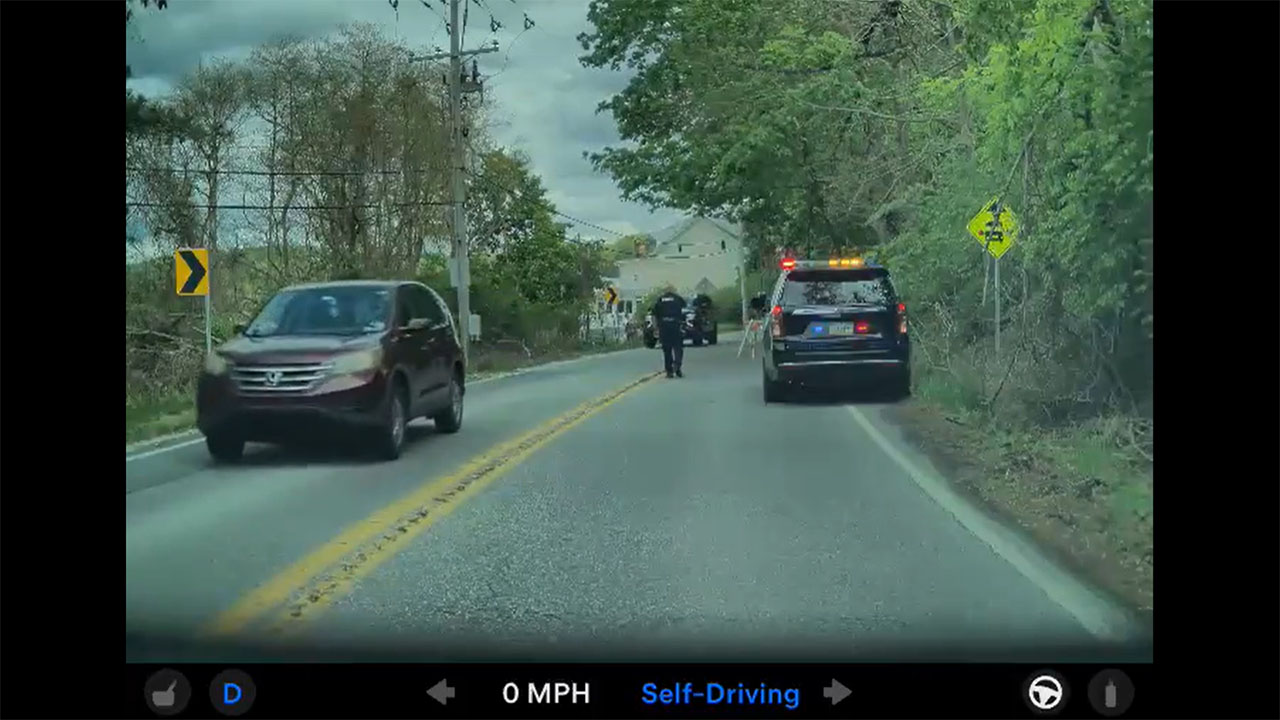
The current iteration of FSD, while capable of navigating complex urban environments, often requires the driver to provide subtle directional inputs via the steering wheel to confirm lane changes or maneuvers. The forthcoming upgrade will allow drivers to simply speak commands like "turn left at the next intersection" or "overtake the slow-moving truck." This shift from physical confirmation to verbal instruction represents more than a convenience; it is a core usability enhancement that aligns the system's operation with human instinct. By leveraging Tesla's existing premium audio system and voice recognition infrastructure, the company is effectively turning the cabin into a co-pilot's seat where intent can be communicated as effortlessly as speaking to a passenger.
Technical Execution and Safety Imperatives
Implementing this feature reliably presents a significant technical challenge. The system must not only process language with near-perfect accuracy amidst road noise but also contextualize commands within the dynamic driving environment. A command to "take the next exit" must be executed only if it is safe and physically possible to do so. This underscores that FSD remains a Level 2 system, requiring full driver supervision. Tesla will need to design robust guardrails to ensure verbal instructions cannot override the system's core safety protocols. The success of this feature hinges on this seamless—and safe—integration of human intent with the software's operational design domain.
For Tesla owners, particularly those subscribed to or purchasing the FSD package, this upgrade signifies a tangible step toward the fluid, conversational interaction long promised with autonomous vehicles. It reduces cognitive load, allowing drivers to supervise the system more naturally without fumbling for controls. For investors, the development is a strong signal of Tesla's continued software innovation and its focus on refining the user experience, which is a key differentiator in the competitive EV market. As regulatory scrutiny of driver-assistance systems intensifies, features that promote clearer, more attentive supervision could also become a nuanced point in Tesla's favor, demonstrating an evolving approach to human-factor engineering.