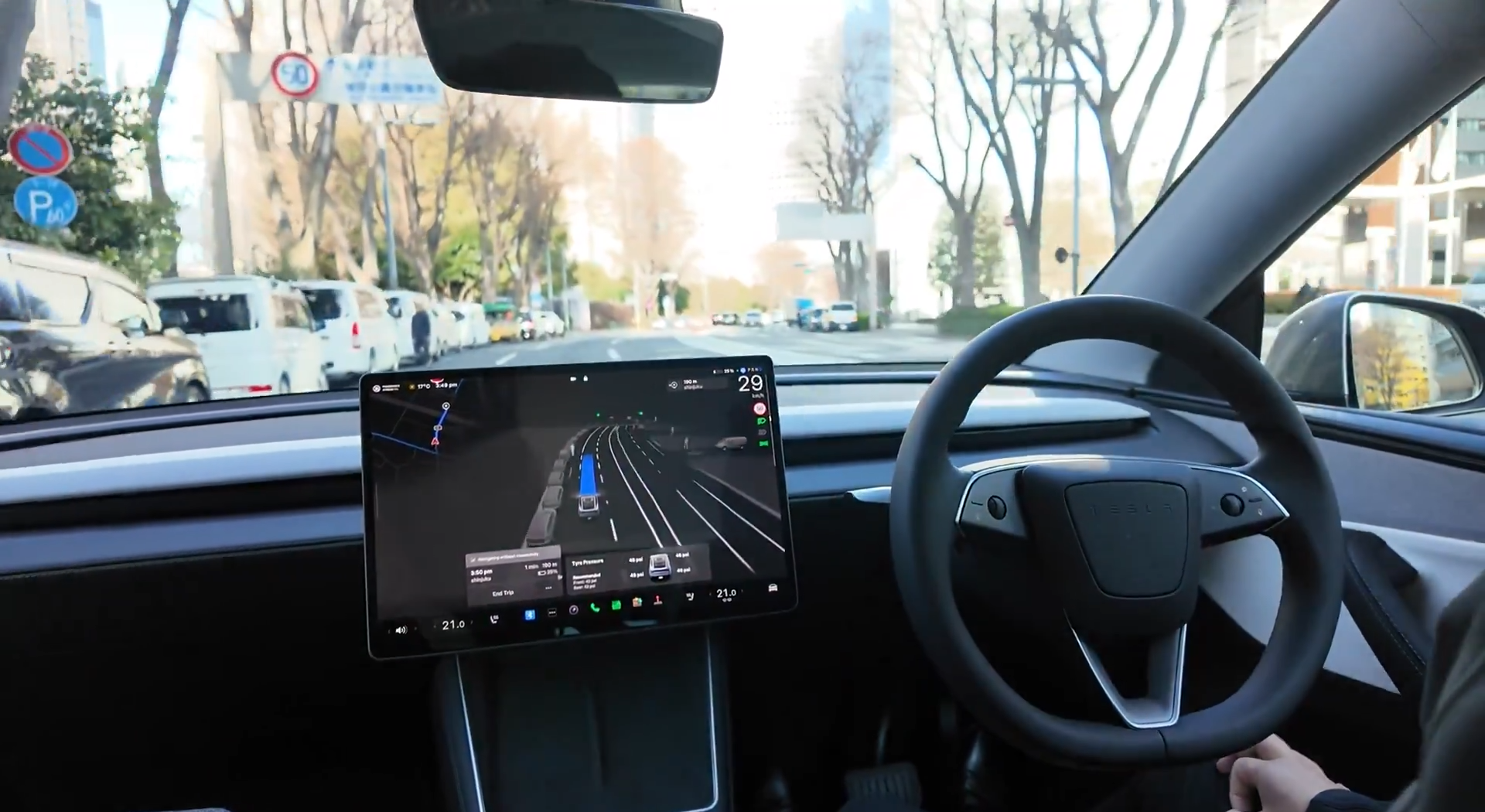
In a strategic move that could reshape the autonomous driving landscape in Asia, Tesla has officially set its sights on the Japanese market for its flagship Full Self-Driving (Supervised) software. The company has confirmed an ambitious target to launch the system in Japan before the end of 2026, signaling a major step in its global FSD rollout. This timeline emerges as Tesla has reportedly begun conducting private "ride-along" demonstrations for key stakeholders in the country, a clear indication that its long-anticipated entry into Japan is shifting from planning to active execution.
The Path to Japanese Roads: Testing and Regulatory Hurdles
While details remain closely guarded, industry sources indicate Tesla has been quietly testing and validating its FSD technology on Japanese roads for some time. The initiation of ride-alongs for select individuals is a critical phase, allowing regulators, potential partners, and influencers to experience the system's capabilities firsthand within the unique context of Japan's dense urban environments and complex traffic etiquette. Gaining regulatory approval will be a formidable challenge, requiring Tesla to navigate Japan's stringent safety standards and demonstrate robust adaptation to local driving conditions, from narrow city streets to high-speed expressways.
Why Japan Represents a Pivotal Market for Tesla Autonomy
The launch of FSD in Japan is about more than just selling software; it's a strategic imperative. Japan is the world's third-largest economy and home to a massive, tech-savvy automotive industry that has been cautiously approaching full autonomy. A successful FSD deployment would serve as a powerful proof-of-concept in a market dominated by legacy manufacturers, potentially accelerating the entire region's adoption of advanced driver-assistance systems. Furthermore, conquering Japan's complex driving environment would provide Tesla's AI with an invaluable dataset, making the global neural network smarter and more robust.
For Tesla owners and investors, this announcement carries significant weight. A 2026 launch window provides a tangible milestone for a market that has often felt secondary to North American and European rollouts. It suggests Tesla's engineering and regulatory teams are making concrete progress on international expansion, a key factor in unlocking the recurring high-margin revenue stream that FSD promises. However, the two-year timeline also underscores the substantial work remaining, reminding stakeholders that global autonomy is a marathon, not a sprint.
The implications are multifaceted. Successful entry into Japan could catalyze FSD introductions in other right-hand-drive and Asian markets, creating a domino effect. For current Japanese Tesla owners, it promises a substantial enhancement to their vehicle's capability and value. For investors, it reinforces the long-term software-driven growth narrative, but also introduces execution risk as Tesla works to meet its own deadline in a demanding new regulatory arena. All eyes will now be on the feedback from those initial ride-alongs and the subsequent steps in Japan's certification process.