Tesla has shifted its long-running regulatory dispute with California into a higher gear, moving from administrative defense to a full-scale legal offensive. The electric vehicle pioneer has filed a lawsuit in California state court against the California Department of Motor Vehicles (DMV), seeking to overturn a pivotal ruling that accused the company of misleading consumers with its Autopilot and Full Self-Driving (FSD) marketing. This bold move marks a critical escalation in a battle that strikes at the heart of Tesla's brand identity and its vision for the future of transportation.
The Core of the Controversy: "Autonomous" Claims Under Scrutiny
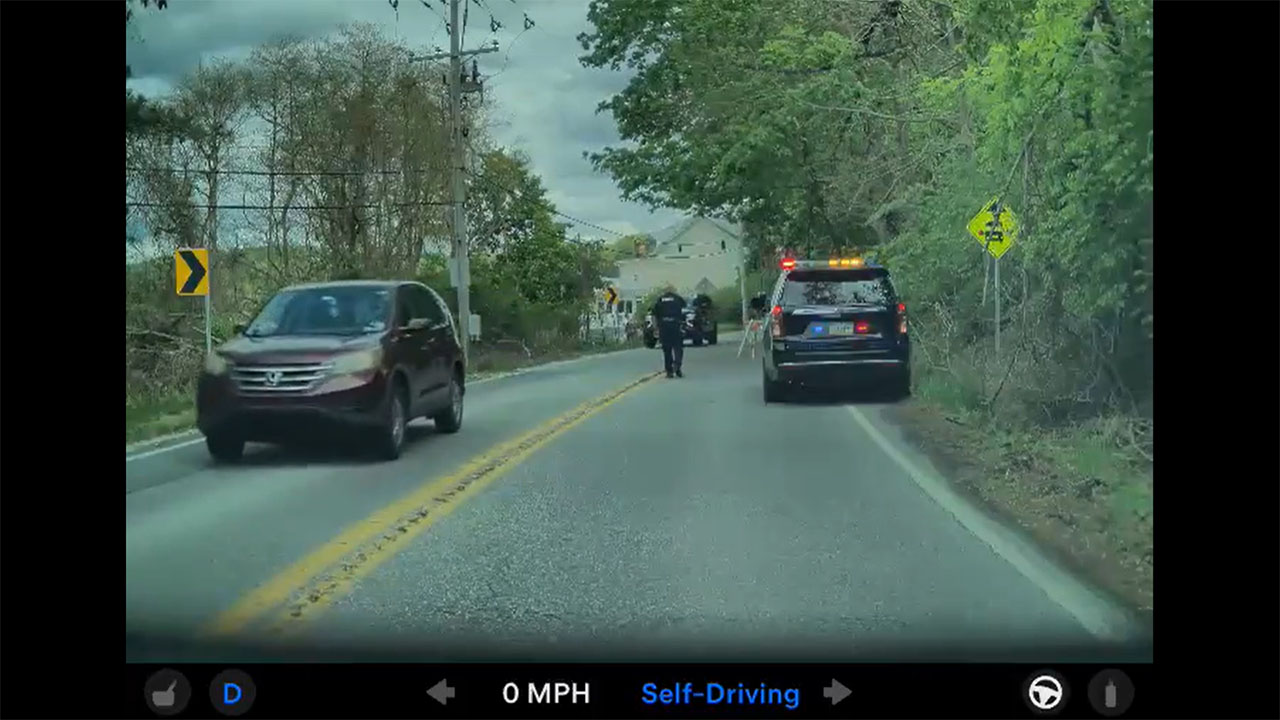
The lawsuit is a direct response to a July 2022 accusation from the DMV, which alleged Tesla engaged in deceptive advertising by overstating the capabilities of its driver-assistance systems. Regulators took specific issue with the names Autopilot and Full Self-Driving, as well with language on Tesla's website that they argued could lead customers to believe the vehicles were capable of fully autonomous operation. The DMV's administrative filing sought remedies that could have included suspending Tesla's license to sell vehicles in California and requiring the company to make drivers more accountable for paying attention while using the features. By taking the matter to court, Tesla is challenging the DMV's legal authority and factual basis for the "false advertiser" label.
A High-Stakes Legal and Reputational Battle
This legal action is about far more than semantics; it represents a fundamental clash between innovative marketing and regulatory caution. Tesla's defense likely hinges on the argument that its marketing materials and in-car warnings clearly communicate that the driver must remain engaged and responsible at all times. The company has consistently stated that its systems are SAE Level 2 driver-assistance features, not autonomous vehicles. However, the DMV and other critics, including the National Highway Traffic Safety Administration (NHTSA), contend that the gap between the technology's branding and its actual, supervised function creates a dangerous potential for consumer misuse. The outcome will set a significant precedent for how advanced EV features can be described and sold.
For Tesla investors, the lawsuit carries substantial financial and strategic implications. A loss could result in hefty fines, mandated refunds for FSD purchasers, and severe restrictions on how Tesla markets its core technological differentiator. More broadly, an adverse ruling could embolden other states and federal agencies to take a harder line, potentially slowing the rollout and public adoption of these lucrative software features. Conversely, a victory would not only vindicate Tesla's marketing approach but could also weaken regulatory challenges elsewhere, reinforcing the company's ability to control the narrative around its automation suite.
For current and prospective Tesla owners, the court battle underscores the importance of understanding the technology they are using. Regardless of the legal outcome, the features remain sophisticated driver-assist tools that require constant supervision. The case highlights the ongoing tension between rapidly advancing automotive software and the slower-moving frameworks of consumer protection law. Owners should view the lawsuit as a reminder that the promised horizon of full autonomy remains just that—a horizon—and that their attention is the most critical safety component in the vehicle today.