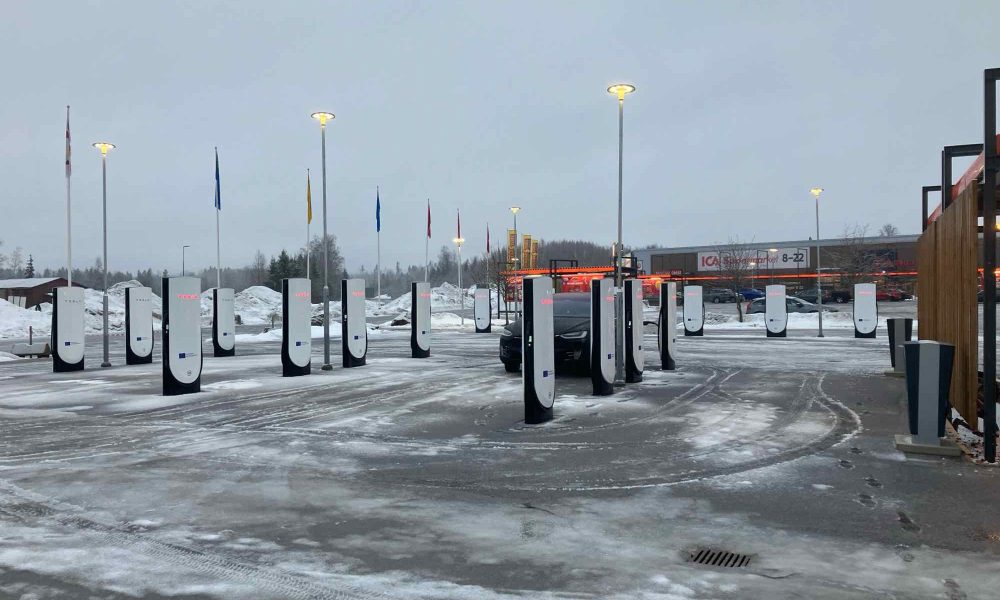
A critical Supercharger station in Sweden, previously disconnected for safety upgrades, has become the latest flashpoint in the country's protracted labor dispute with Tesla. The electric vehicle giant has filed a formal appeal after the local grid operator, Vattenfall Eldistribution, refused to reconnect the site, citing the ongoing union blockade as the reason. This move marks a significant escalation, transforming the conflict from a battle over collective bargaining into one that directly impedes Tesla's ability to service its existing infrastructure and customers.
From Safety Upgrade to Strategic Dispute
The station in question, located in the municipality of Haninge, was taken offline in April 2023 for planned electrical safety work—a routine procedure unrelated to the labor action. However, upon completion of the upgrades, Vattenfall Eldistribution informed Tesla it would not restore power. The utility, which is itself bound by the union-led sympathy actions, stated reconnection would violate the blockade initiated by IF Metall. Tesla's appeal argues this decision is unlawful, contending that the refusal to reactivate a pre-existing, permitted facility constitutes an overreach of the industrial action's intended scope.
A Precedent with Far-Reaching Consequences
This situation sets a dangerous new precedent for Tesla's operations. While the union has successfully halted new Supercharger construction and maintenance, blocking the restoration of a fully built site crosses a new line. It effectively weaponizes grid access, suggesting that even long-standing infrastructure could be held hostage. Analysts note this tactic increases pressure on Tesla by directly impacting owner experience in a region with high EV adoption, potentially eroding brand loyalty. The appeal process will now test the legal boundaries of sympathy actions within Sweden's unique labor model.
For Tesla owners in Sweden and neighboring countries, the implications are immediate and tangible. The loss of any Supercharger stall reduces network density and convenience, potentially leading to longer wait times and travel disruptions. This case also raises concerns for investors, as it demonstrates how localized labor disputes can metastasize into direct operational and financial impacts. The cost is not merely in stalled growth but in the degradation of a completed, revenue-generating asset.
The outcome of Tesla's appeal will be closely watched. A ruling in the company's favor could limit the tactics available to unions, while a defeat would signal that the blockade can extend indefinitely to all facets of Tesla's Swedish presence. For a company built on controlling its vertical infrastructure, from software to service, this challenge to its physical energy supply represents one of its most complex operational hurdles to date.