Tesla has launched a direct legal challenge against the California Department of Motor Vehicles (DMV), escalating a long-simmering conflict over how the company markets its advanced driver-assistance systems. The lawsuit, filed in California Superior Court, seeks to overturn the agency's July 2022 accusations that Tesla engaged in deceptive advertising by overstating the capabilities of its Autopilot and Full Self-Driving (FSD) technologies. This move signals Tesla's refusal to accept regulatory findings that could set a costly precedent and fundamentally alter its marketing language.
The Core of the Legal Dispute
At the heart of the lawsuit is Tesla's contention that the DMV's administrative actions are procedurally flawed and lack legal merit. The DMV had alleged that Tesla's website language, which included statements like "the system is designed to be able to conduct short and long-distance trips with no action required by the person in the driver's seat," constituted false advertising. Tesla's complaint argues the DMV failed to provide proper notice of the specific claims under scrutiny and is attempting to enforce vague standards. Crucially, Tesla maintains its advertising has always included clear disclaimers that the features "require active driver supervision" and do not make the vehicle autonomous.
Broader Regulatory Context and Tesla's Stance
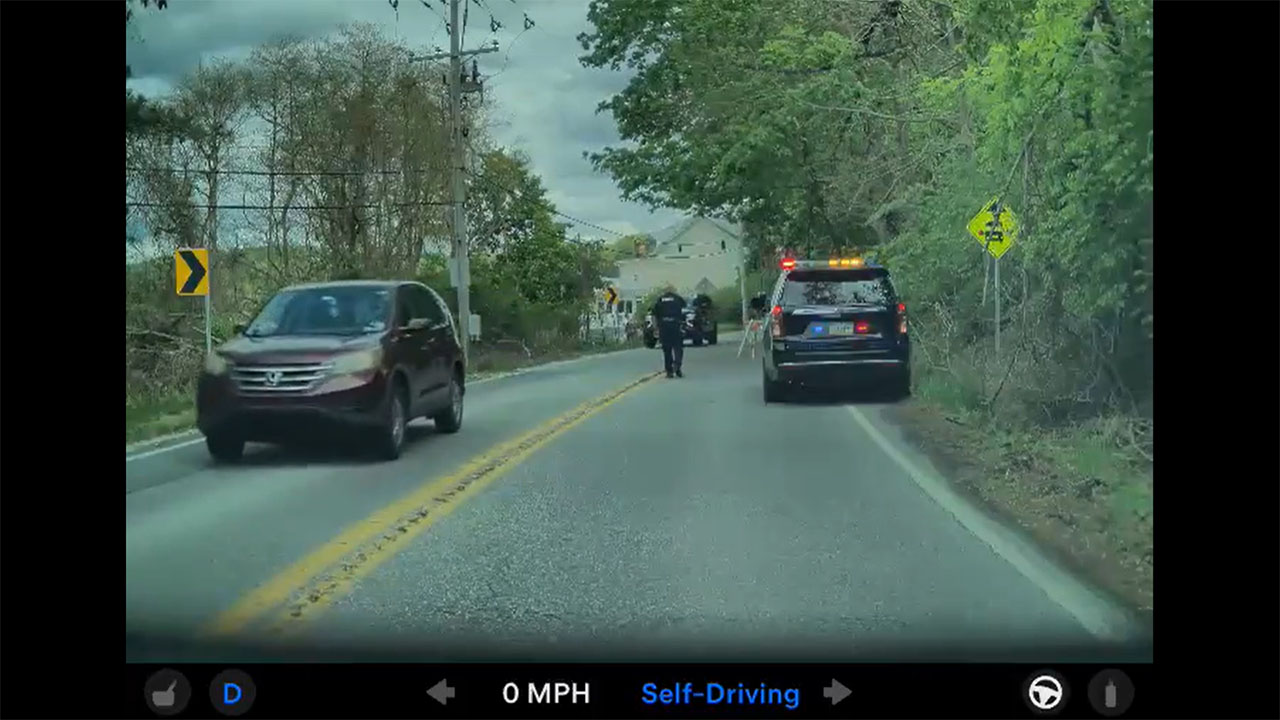
This legal battle does not occur in a vacuum. It unfolds alongside intense scrutiny from the National Highway Traffic Safety Administration (NHTSA) and a patchwork of global regulations defining vehicle automation. Tesla's aggressive defense reflects its foundational philosophy: that iterative, real-world testing of its FSD Beta software is the fastest path to achieving true autonomy. The company views regulatory pushback as a misunderstanding of this iterative process and a potential hindrance to technological progress. By suing, Tesla aims to force a judicial ruling that could protect its right to use terms like "Full Self-Driving" for systems that are still under development but actively learning.
The outcome of this case carries significant weight for Tesla's future. A victory for the California DMV could compel Tesla to rebrand its FSD package entirely and pay substantial penalties, while a win for Tesla would bolster its marketing strategy and potentially weaken similar regulatory challenges in other states or countries. It also represents a critical test of how legacy regulatory frameworks, built for conventional vehicles, apply to software-defined products that improve continuously over-the-air.
For Tesla owners and investors, this lawsuit is a high-stakes gambit. A favorable ruling would validate Tesla's controversial approach and could accelerate consumer adoption of its premium FSD package, a key software revenue stream. Conversely, an unfavorable outcome may lead to refund demands, a dilution of the FSD brand, and increased regulatory pressure worldwide, potentially impacting the company's valuation. The case underscores the inherent tension in a disruptive EV pioneer navigating a regulatory landscape struggling to keep pace with its ambition.