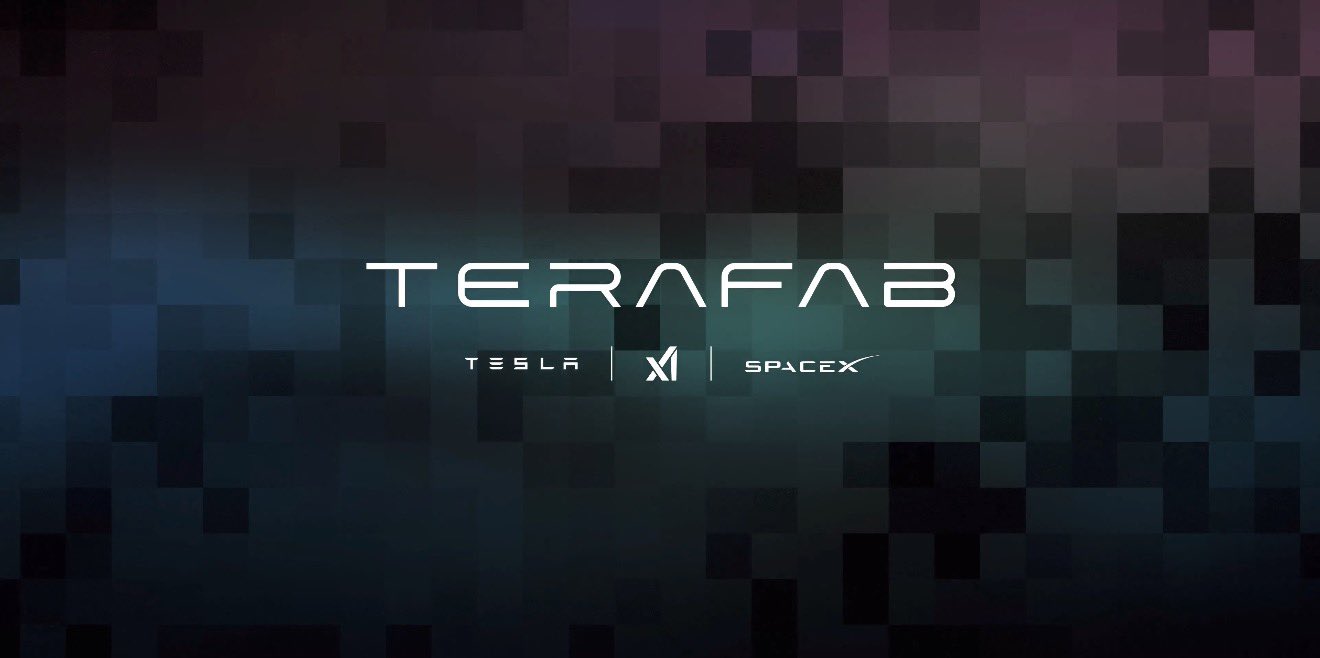
In a move that could redefine the technological independence of his empire, Elon Musk is consolidating the silicon ambitions of Tesla, SpaceX, and xAI into a single, colossal project. Plans are now public for a new, dedicated semiconductor manufacturing facility in Austin, Texas, dubbed the Terafab. This facility represents a direct, vertical integration play of unprecedented scale, aiming to secure the advanced chips needed to power the next generation of artificial intelligence both on Earth and in space.
The Terafab: A Trifecta's Answer to the Chip Crunch
The proposed Terafab is a direct response to the persistent global semiconductor shortages that have plagued industries from automotive to aerospace. By bringing chip production in-house, Musk's companies seek to insulate themselves from supply chain volatility and the intense competition for foundry capacity from giants like NVIDIA. The factory would not produce commodity chips but is expected to focus on custom-designed silicon optimized for the specific, demanding workloads of autonomous driving, humanoid robotics, supercomputing, and spacecraft. This strategic pivot underscores a fundamental belief that the future performance and capability of Tesla's EVs and robots, SpaceX's Starship ecosystem, and xAI's Grok large language model will be gated by access to specialized, high-performance computing.
Powering the Multi-Planetary AI Ecosystem
The "in space" component of the plan is particularly revealing. While Tesla will leverage these chips for its Full Self-Driving (FSD) and Optimus projects, SpaceX's requirements point to ambitions far beyond Earth. Advanced semiconductors are critical for the guidance, communication, and onboard data processing of spacecraft like Starship, as well as for potential satellite-based AI constellations. The Terafab's output could be foundational for creating a interplanetary computing infrastructure, enabling more autonomous deep-space missions and processing vast amounts of data collected from off-world sources. This synergy turns the factory into more than a supply chain solution; it becomes a keystone for Musk's overarching vision of an AI-augmented future across multiple worlds.
Implications for Tesla's Trajectory and Investor Calculus
For Tesla, the implications are profound. Control over its own silicon destiny could accelerate the development cycle for its Dojo supercomputer and the Hardware 5 autonomous driving platform, potentially creating a sustained competitive moat in AI-driven transportation. Investors should view the Terafab not as a mere capital expenditure but as a critical long-term investment in vertical integration, akin to Tesla's Gigafactories for batteries. However, the challenges are immense, requiring tens of billions in capital and navigating one of the most complex manufacturing sectors. Success would position the Musk ecosystem as a fully integrated tech stack, from silicon to software to physical product, while failure could represent a costly diversion. The Terafab is a high-stakes bet that the future belongs to those who control the core computational engines of intelligence itself.