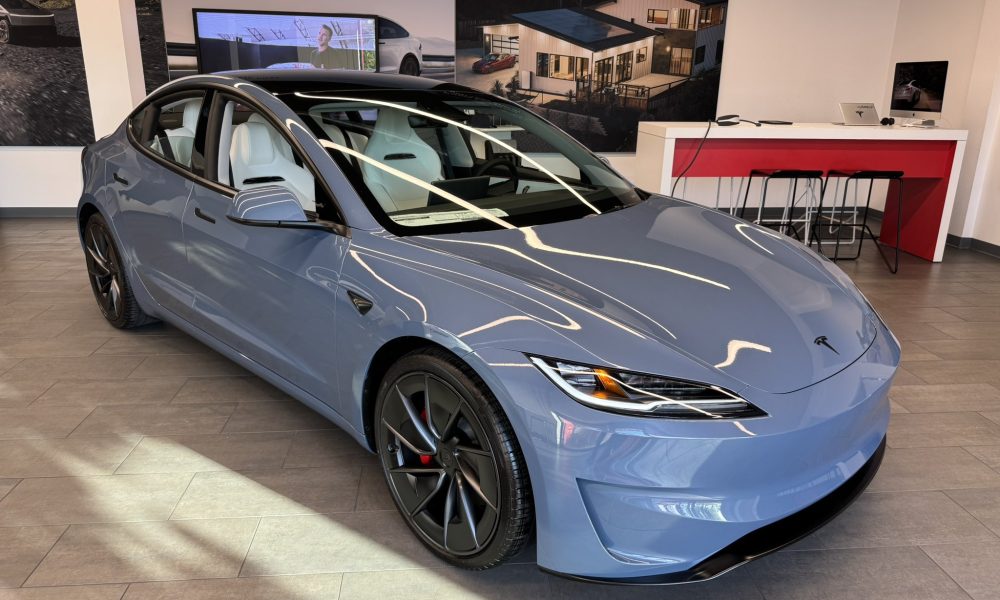
In a strategic inventory shuffle that underscores the shifting tides of global EV trade, Tesla has cleared out its entire stock of new Model 3 vehicles in Canada. According to sources familiar with the matter, the automaker has redirected these U.S.-built units back across the border, a move timed just as Canada opens its doors to a new wave of Chinese electric vehicles. This logistical pivot signals Tesla's proactive preparation for a transformed competitive landscape in the Great White North.
A Preemptive Strike Against Incoming Competition
The catalyst for Tesla's inventory drawdown is Canada's newly enacted import program for Chinese EVs, which officially commenced on March 1. The policy slashes the tariff on eligible Chinese-built electric vehicles to a mere 6.1%, a dramatic reduction from the prohibitive 100% surtax imposed in 2024. This opens a pathway for up to 49,000 Chinese EVs to enter the Canadian market, creating a new front in the global price war. By pulling its U.S.-manufactured Model 3 inventory, Tesla appears to be avoiding a potential glut and repositioning vehicles to markets with less imminent competitive pressure.
Strategic Inventory Management in a Global Context
This is not merely a regional stock adjustment but a reflection of Tesla's agile, data-driven global supply chain strategy. The company continuously optimizes inventory based on regional demand forecasts, production cycles, and emerging competitive threats. With lower-cost Chinese models from brands like BYD expected to arrive in Canada, the value proposition of the existing Model 3 inventory could have been challenged. Sending these units to the U.S., where the 100% tariff on Chinese EVs remains in place, protects their market position and pricing power. It also ensures cleaner inventory channels ahead of potential updates or refreshed offerings for the Canadian market.
The maneuver highlights the complex reality of today's auto industry, where trade policy is as influential as engineering. Tesla's response is a clear acknowledgment that the era of Western EV dominance in insulated markets is over. The company is choosing to strategically retreat and regroup rather than engage in a immediate price battle on unfavourable terms. This allows it to conserve margin and assess the actual impact and consumer reception of the new Chinese entrants before deciding on its next counter-move, which could involve pricing adjustments, feature enhancements, or a push for local inventory of its more affordable next-generation platform.
For Tesla owners and investors, this inventory shift is a textbook example of the company's operational nimbleness. It demonstrates a management team willing to make swift, unconventional decisions to protect profitability and brand positioning in the face of regulatory change. In the short term, Canadian buyers may face longer wait times for new Model 3 deliveries, but this should be viewed as a temporary recalibration. Long-term, investors should see this as a positive sign of proactive market defense. However, it also underscores the escalating global competitive pressure that will require relentless innovation and cost efficiency from Tesla to maintain its industry leadership as trade barriers evolve.